
- High-Performance Doors
-
- Applications
-
-
-
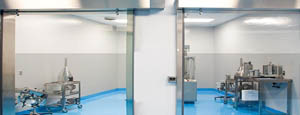
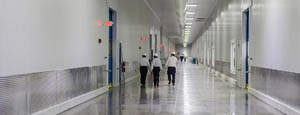
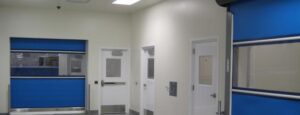
- Clean Room
Stainless steel or composite materials help maintain clean rooms.
-
-
- Coolers
Quick opening speeds & tight seals for temperature control.
-
-
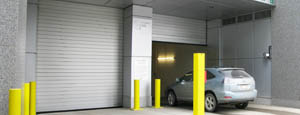
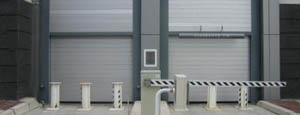
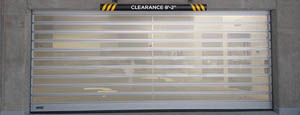
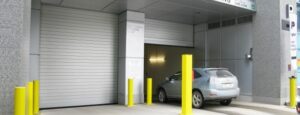
- Parking
Improve security & traffic flow and enhance architectural style.
-
-
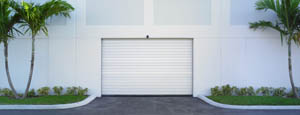
- Hurricane Zone
Withstand winds up to 175 mph and comply with the Florida Building Code.
-
-
-
-
- USDA / FDA / cGMP
Increase productivity & address stringent USDA, FDA & cGMP requirements.
-
-
- Freezers
High-speed & perimeter seals minimize the air exchange between areas.
-
-
- Security
High speed & durability ensure secure access.
-
-
- Ventilation
Perforated or screen door panels allow improved air circulation.
-
-
-
-
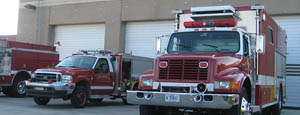
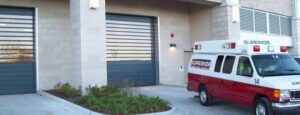
- Fire Station Emergency Response
When time is of the essence, high speed and reliability are crucial.
-
-
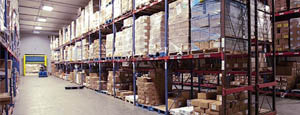
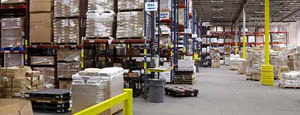
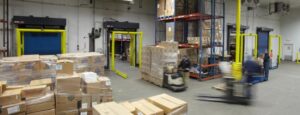
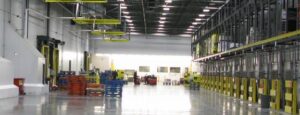
- Warehousing
Fast cycle times and secure seals keep environments separated.
-
-
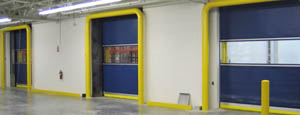
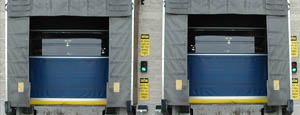
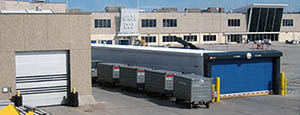
- Loading Dock
Rugged design & secure seal for oversized openings.
-
-
- Large Openings
Break-away functionality with rugged design seals oversized openings.
-
-
-
-
- Heavy Equipment
Withstands challenges of heavy equipment and fleet truck/car wash environments.
-
-
- Self-Storage
Fast opening speeds and reliable, durable construction keep facilities secure and protected.
-
-
- Industries
-
-
-
- Automotive Dealerships
Reduce energy costs, increase productivity and comfort and enhance customer perception.
-
-
- Cold Storage & Processing
Increase productivity and operational efficiency while reducing energy and maintenance costs.
-
-
- Parking
We offer solutions for Apartment / Condo & Loft, Standalone Parking Facilities and Office Buildings
-
-
-
-
- Food & Beverage
Doors specifically engineered for USDA/FDA and cGMP environments, and assured compliance for uncompromising performance.
-
-
- Mfg/Dist/Warehousing
A complete product line allows facilities to increase efficiency and safety and reduce maintenance and energy costs.
-
-
- Government
Ensure effective security and environmental controls are maintained for critical government operations.
-
-
-
-
- Transit
Keep operations running smoothly and efficient while reducing energy and maintenance costs.
-
-
- Pharma, Nutraceutical & Biotech
Doors that offer quick, secure access, environmental control and reliability for life science facilities.
-
-
- Support Resources
- Parts
- Contact Us
- Blog/News
- Why Rytec
- Sales Rep Locator
- Careers
- Dealers
- Architectural Resources
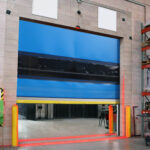
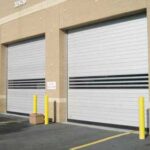
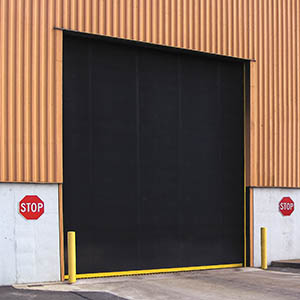
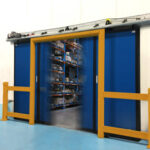
2025 How to Protect Your Garage Door from Hurricane Damage Effectively
As the threat of severe weather looms, homeowners are increasingly aware of the dangers that hurricanes pose to their property, particularly to garage doors that often serve as a weak point in home defenses. According to a report by the National Hurricane Center, over 60% of hurricane-related damage in coastal areas can be attributed to the failure of improperly secured or substandard garage doors. This statistic underscores the urgent need for homeowners to prioritize protective measures to safeguard their garage doors from hurricane impact.
Experts in the field, such as Dr. Robert L. Thomas, a noted structural engineer specializing in storm resilience, emphasize the importance of fortified garage doors in mitigating hurricane damages. Dr. Thomas has stated, "A well-secured hurricane impact garage door can mean the difference between minor repair costs and total property loss." His insights highlight the necessity for homeowners to invest in reliable and tested garage door systems designed to withstand extreme wind pressures and flying debris that often accompany hurricanes.
Through this article, we will explore effective strategies for protecting your garage door from hurricane damage. By understanding the risks and implementing proven protective measures, homeowners can ensure that their properties remain safe and secure during hurricane season, ultimately preserving both their investments and peace of mind.
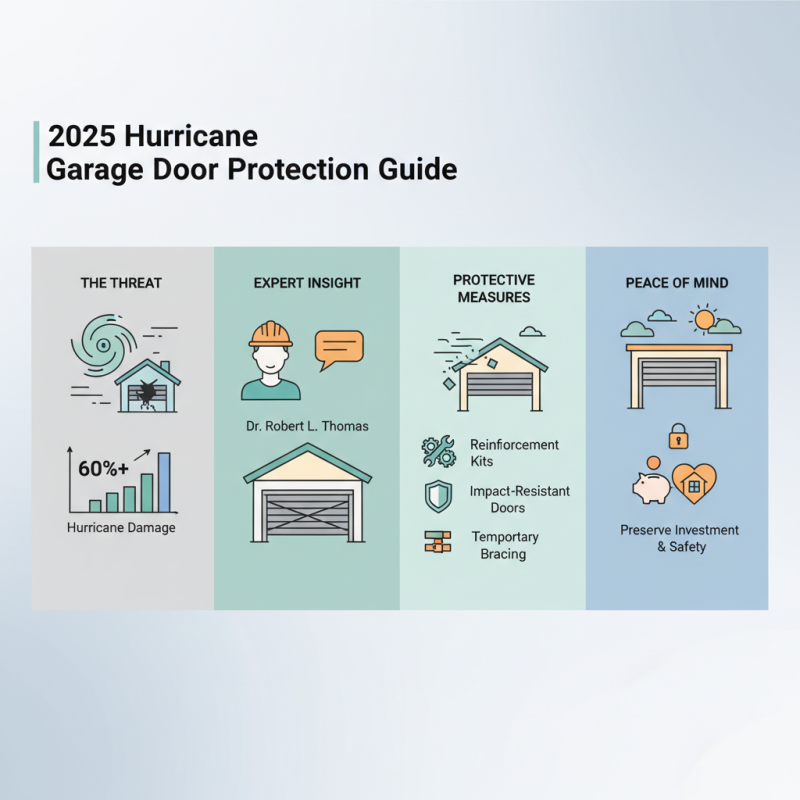
Table of Contents
[Hide]
Understanding Hurricane Risks and Their Impact on Garage Doors
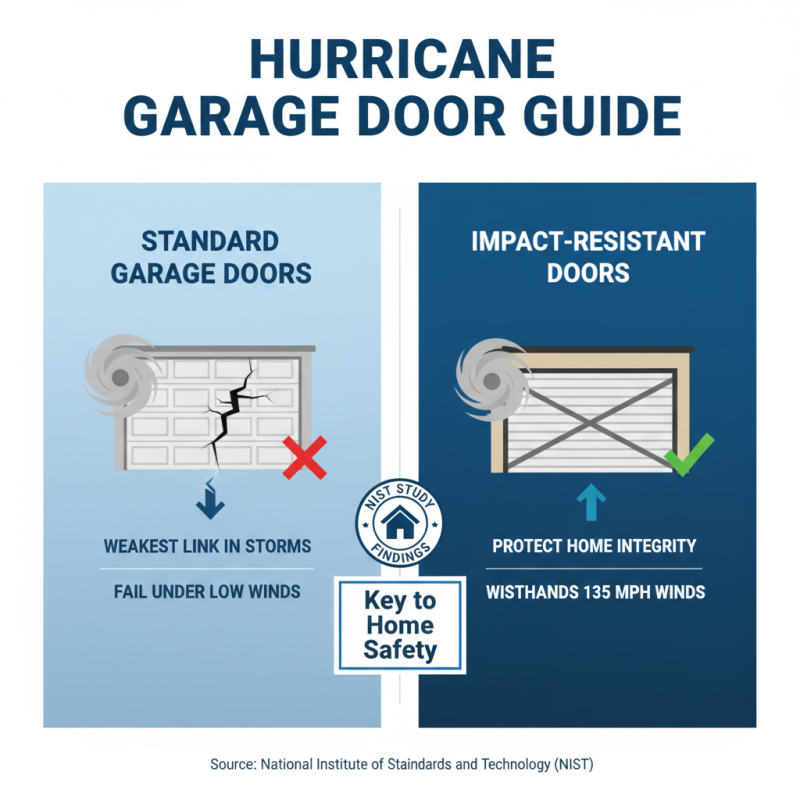
Understanding the risks that hurricanes pose to your garage doors is crucial for homeowners in vulnerable areas. High winds can create extreme pressure on garage doors, often causing structural damage that may compromise not just the door itself, but also the entire garage and adjacent living spaces. By recognizing the potential impact of hurricane conditions, you can take proactive steps to fortify your garage against storm-related damage.
One effective way to enhance your garage door's resilience is through the installation of a reinforcer or brace system. This added support helps to keep the door intact during strong winds. Additionally, ensuring that your door is properly sealed can prevent water infiltration, which is particularly important during a hurricane. Regular maintenance checks are essential—inspect for rust, wear, or loose components that might fail during a storm.
Tips for preparation include installing storm shutters over windows and considering the use of protective barriers that can be easily deployed when a hurricane is approaching. Regularly review local weather forecasts to stay informed about potential threats, and have an emergency plan in place to protect your family and property. Taking these preventive measures can significantly reduce the risks associated with hurricane impacts on garage doors.
Related Posts
-

Top 10 Benefits of Speed Doors for Your Business Efficiency and Safety
-

Innovative Folding Doors Transforming Spaces with Style and Functionality
-
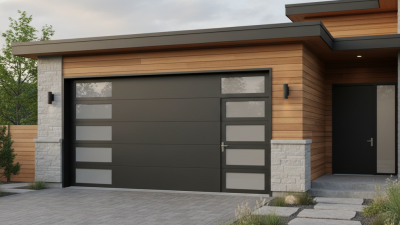
Top Benefits of a Garage Door with Door for Your Home in 2025
-

How to Choose the Best Remote Garage Door Opener for Your Home
-

Revolutionize Your Living Space with Innovative Folding Sliding Doors Solutions
-
Top 10 Door Openers You Need to Know for a Smarter Home