
- High-Performance Doors
-
- Applications
-
-
-
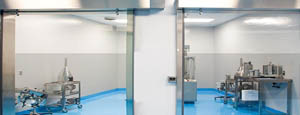
- Clean Room
Stainless steel or composite materials help maintain clean rooms.
-
-
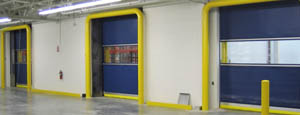
- Coolers
Quick opening speeds & tight seals for temperature control.
-
-
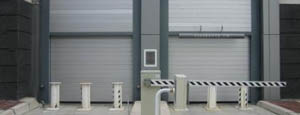
- Parking
Improve security & traffic flow and enhance architectural style.
-
-
- Hurricane Zone
Withstand winds up to 175 mph and comply with the Florida Building Code.
-
-
-
-
- USDA / FDA / cGMP
Increase productivity & address stringent USDA, FDA & cGMP requirements.
-
-
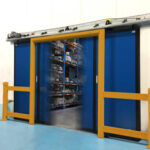
- Freezers
High-speed & perimeter seals minimize the air exchange between areas.
-
-
- Security
High speed & durability ensure secure access.
-
-
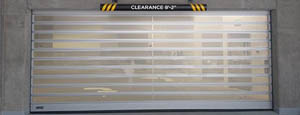
- Ventilation
Perforated or screen door panels allow improved air circulation.
-
-
-
-
- Fire Station Emergency Response
When time is of the essence, high speed and reliability are crucial.
-
-
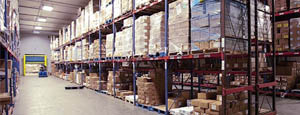
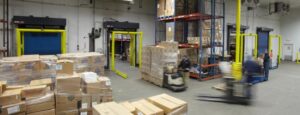
- Warehousing
Fast cycle times and secure seals keep environments separated.
-
-
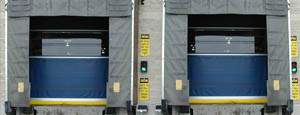
- Loading Dock
Rugged design & secure seal for oversized openings.
-
-
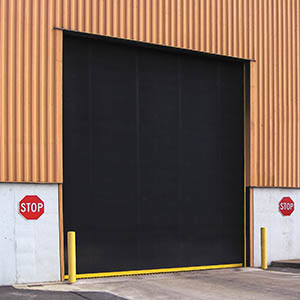
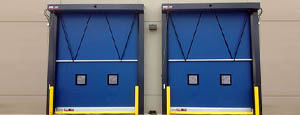
- Large Openings
Break-away functionality with rugged design seals oversized openings.
-
-
-
-
- Heavy Equipment
Withstands challenges of heavy equipment and fleet truck/car wash environments.
-
-
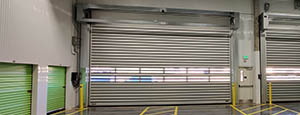
- Self-Storage
Fast opening speeds and reliable, durable construction keep facilities secure and protected.
-
-
- Industries
-
-
-
- Automotive Dealerships
Reduce energy costs, increase productivity and comfort and enhance customer perception.
-
-
- Cold Storage & Processing
Increase productivity and operational efficiency while reducing energy and maintenance costs.
-
-
- Parking
We offer solutions for Apartment / Condo & Loft, Standalone Parking Facilities and Office Buildings
-
-
-
-
- Food & Beverage
Doors specifically engineered for USDA/FDA and cGMP environments, and assured compliance for uncompromising performance.
-
-
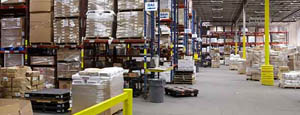
- Mfg/Dist/Warehousing
A complete product line allows facilities to increase efficiency and safety and reduce maintenance and energy costs.
-
-
- Government
Ensure effective security and environmental controls are maintained for critical government operations.
-
-
-
-
- Transit
Keep operations running smoothly and efficient while reducing energy and maintenance costs.
-
-
- Pharma, Nutraceutical & Biotech
Doors that offer quick, secure access, environmental control and reliability for life science facilities.
-
-
- Support Resources
- Parts
- Contact Us
- Blog/News
- Why Rytec
- Sales Rep Locator
- Careers
- Dealers
- Architectural Resources












What Is a Pipeline Filter and How Does It Work?
A Pipeline Filter is a protective device installed inside a fluid transport system. It removes unwanted particles before they reach pumps, valves, meters, heat exchangers, or production equipment. These particles may include rust, sand, welding debris, scale, or fragments from aging pipework. The filter usually contains a screen, perforated basket, cartridge, or other filtering element. As fluid passes through, contaminants remain trapped while the cleaned flow continues downstream.
Its operation is practical, but not always simple. Filter performance depends on particle size, flow rate, pressure, fluid temperature, and material compatibility. A coarse strainer can protect a pump from large debris, while a fine cartridge filter captures smaller particles. However, finer filtration often creates greater pressure loss. That trade-off matters. A blocked element may also reduce flow, increase energy use, and place stress on connected equipment.
A reliable selection process begins with the pipeline’s operating data and the manufacturer’s specifications. Check the rated flow, filtration accuracy, maximum pressure, drain design, and replacement requirements. Directional arrows on the housing should match the actual flow path. Small details matter here. Regular inspection can reveal rising differential pressure, damaged seals, or unusual contamination levels. Still, no Pipeline Filter solves every system problem. Poor installation, incorrect sizing, or delayed maintenance can reduce its value quickly. In real facilities, conditions may change after commissioning, so the original design deserves periodic review. This article explains the main filter types, their working principles, and the practical decisions that support safer, cleaner, and more dependable pipeline operation.
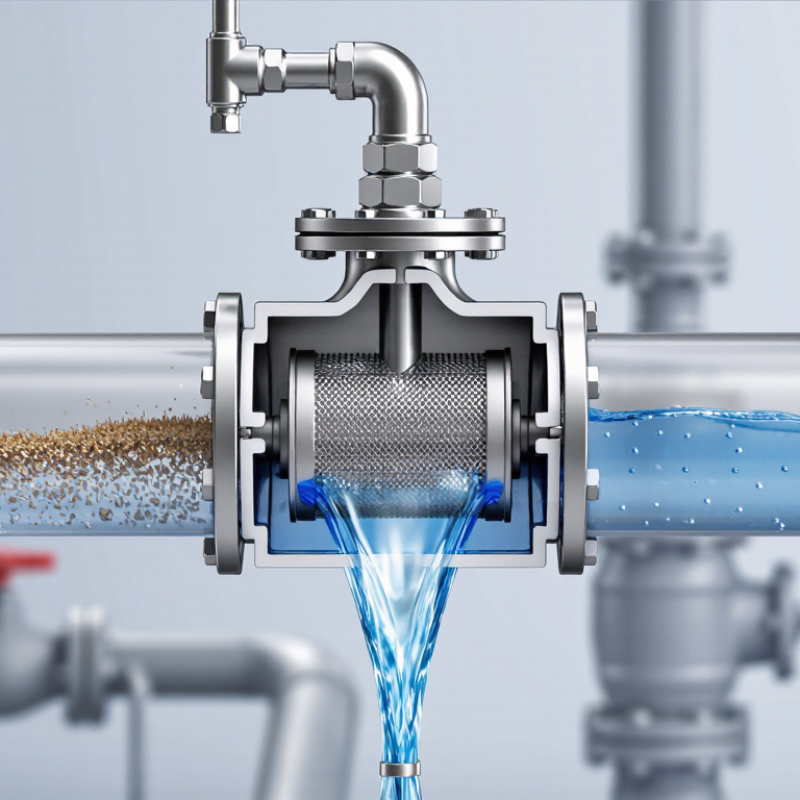
Table of Contents [Hide]
What Is a Pipeline Filter and What Purpose Does It Serve?
What Is a Pipeline Filter and What Purpose Does It Serve?
A pipeline filter is an inline device that removes unwanted particles from moving gas or liquid. It protects valves, meters, pumps, compressors, and sensitive instruments from damage. As fluid enters the housing, a mesh, perforated basket, or cartridge captures rust, sand, scale, and welding debris. Coarse strainers handle larger particles. Fine elements capture smaller contaminants. The correct choice depends on particle size, flow rate, pressure, temperature, and fluid chemistry. Pressure drop matters. A dirty element restricts flow and increases energy use. Operators often monitor differential pressure across the filter. That reading gives a practical warning before performance declines.
The purpose is protection, reliability, and cleaner process flow. The U.S. Pipeline and Hazardous Materials Safety Administration’s 2023 pipeline inventory records more than 2.6 million miles of gas distribution mains and service lines. Even small contamination risks become significant across such extensive networks. A filter can prevent one loose fragment from reaching a control valve or damaging a meter seat. It cannot repair corrosion or stop a leak. That limitation is easy to overlook. The International Energy Agency’s Global Methane Tracker 2024 estimates that fossil fuel operations released about 120 million tonnes of methane in 2023, highlighting the importance of broader integrity management. Filter selection should therefore support inspection, pressure monitoring, drainage, and scheduled cleaning, rather than serve as a standalone safeguard.