
- High-Performance Doors
-
- Applications
-
-
-
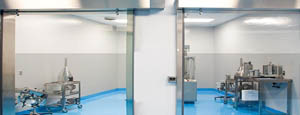
- Clean Room
Stainless steel or composite materials help maintain clean rooms.
-
-
- Coolers
Quick opening speeds & tight seals for temperature control.
-
-
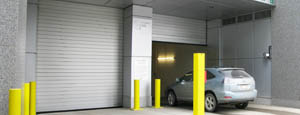
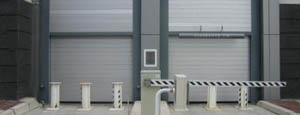
- Parking
Improve security & traffic flow and enhance architectural style.
-
-
- Hurricane Zone
Withstand winds up to 175 mph and comply with the Florida Building Code.
-
-
-
-
- USDA / FDA / cGMP
Increase productivity & address stringent USDA, FDA & cGMP requirements.
-
-
- Freezers
High-speed & perimeter seals minimize the air exchange between areas.
-
-
- Security
High speed & durability ensure secure access.
-
-
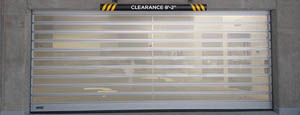
- Ventilation
Perforated or screen door panels allow improved air circulation.
-
-
-
-
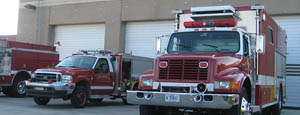
- Fire Station Emergency Response
When time is of the essence, high speed and reliability are crucial.
-
-
- Warehousing
Fast cycle times and secure seals keep environments separated.
-
-
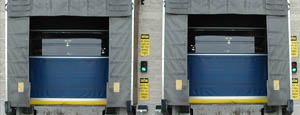
- Loading Dock
Rugged design & secure seal for oversized openings.
-
-
- Large Openings
Break-away functionality with rugged design seals oversized openings.
-
-
-
-
- Heavy Equipment
Withstands challenges of heavy equipment and fleet truck/car wash environments.
-
-
- Self-Storage
Fast opening speeds and reliable, durable construction keep facilities secure and protected.
-
-
- Industries
-
-
-
- Automotive Dealerships
Reduce energy costs, increase productivity and comfort and enhance customer perception.
-
-
- Cold Storage & Processing
Increase productivity and operational efficiency while reducing energy and maintenance costs.
-
-
- Parking
We offer solutions for Apartment / Condo & Loft, Standalone Parking Facilities and Office Buildings
-
-
-
-
- Food & Beverage
Doors specifically engineered for USDA/FDA and cGMP environments, and assured compliance for uncompromising performance.
-
-
- Mfg/Dist/Warehousing
A complete product line allows facilities to increase efficiency and safety and reduce maintenance and energy costs.
-
-
- Government
Ensure effective security and environmental controls are maintained for critical government operations.
-
-
-
-
- Transit
Keep operations running smoothly and efficient while reducing energy and maintenance costs.
-
-
- Pharma, Nutraceutical & Biotech
Doors that offer quick, secure access, environmental control and reliability for life science facilities.
-
-
- Support Resources
- Parts
- Contact Us
- Blog/News
- Why Rytec
- Sales Rep Locator
- Careers
- Dealers
- Architectural Resources










What Is a Parking Air Heater and How Does It Work?
A Parking Air Heater warms a vehicle cabin without running the main engine. It usually burns a small amount of diesel or gasoline in a sealed combustion chamber. A fan pushes cabin air across a heat exchanger. Warm air then enters the sleeping or passenger area, while exhaust gases leave through a separate pipe.
The distinction matters. Engine idling produces heat, but it also consumes fuel and increases local emissions. The U.S. Department of Energy’s Idling Reduction Technology fact sheet reports that a heavy-duty diesel truck may consume about 0.8 gallons of fuel per hour while idling. A properly installed Parking Air Heater can reduce this unnecessary engine operation during overnight stops or cold loading periods. Fuel savings vary with insulation, outdoor temperature, heater size, and operating time.
The hardware is compact. A typical unit includes a dosing pump, glow plug, temperature sensor, air duct, exhaust silencer, and control panel. Technicians must protect the intake from snow, keep the exhaust outlet clear, and check electrical connections carefully. Carbon monoxide protection remains essential, even with sealed combustion.
Small detail. Big consequence.
Data from the European Commission’s Joint Research Centre on vehicle emissions also shows why reducing avoidable idling deserves attention, especially near homes, terminals, and work sites. However, heater performance claims are not universal. Some marketing figures overlook battery condition or poor cabin insulation. Real-world testing should measure fuel use, cabin temperature, noise, and exhaust routing. This guide explains how a Parking Air Heater works, where it performs well, and what its practical limitations may be.
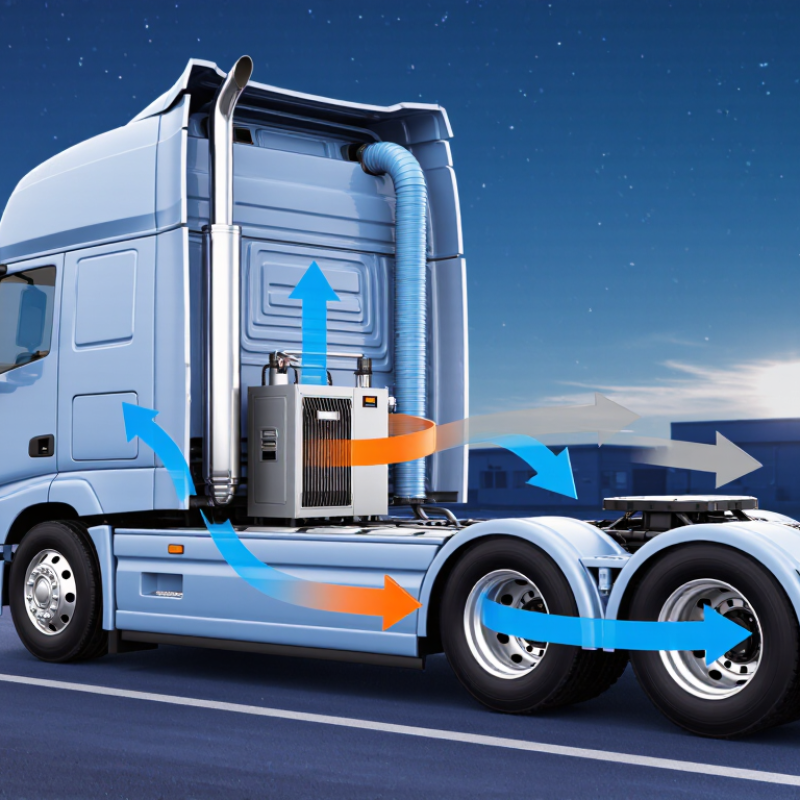
Table of Contents [Hide]
Parking Air Heaters Defined: Typical 2–5 kW Heating Output
A parking air heater is a compact heating system for a parked vehicle, cabin, or work area. It burns fuel in a sealed combustion chamber and transfers heat to indoor air. Exhaust gases leave through a separate pipe. Heated air enters the cabin through a duct, while combustion air stays outside. The process can warm a cold interior without running the main engine. Quiet operation is possible, but fan noise never disappears completely.
Most parking air heaters produce between 2 and 5 kW of heating output. A 2 kW model may suit a small, well-insulated cabin. Larger vans, trucks, or poorly insulated spaces may need 4 or 5 kW. Output is not the same as fuel consumption. Thermostatic control reduces heat when the target temperature is reached. Battery condition still matters because the fan and fuel pump need electrical power. Cold starts can draw more current than steady operation.
Sizing requires practical judgment. Window area, outside temperature, insulation, and door openings all change the result. One common mistake is choosing the largest heater available. Oversizing may cause short cycling, incomplete warm-up behavior, or unnecessary fuel use. Installation details matter just as much. The exhaust outlet must stay clear, and combustion parts must remain sealed from cabin air. A carbon monoxide detector adds important protection. Manufacturer instructions and qualified installation should guide every setup, especially in enclosed or frequently occupied spaces.