
- High-Performance Doors
-
- Applications
-
-
-
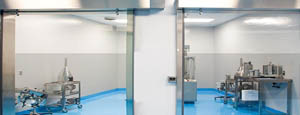
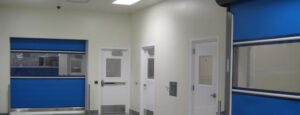
- Clean Room
Stainless steel or composite materials help maintain clean rooms.
-
-
- Coolers
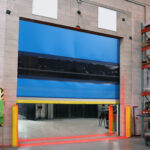
Quick opening speeds & tight seals for temperature control.
-
-
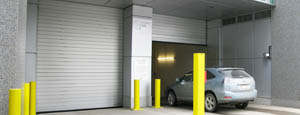
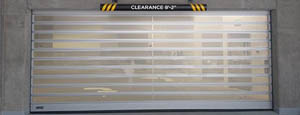
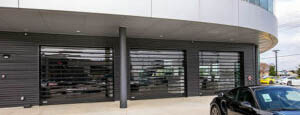
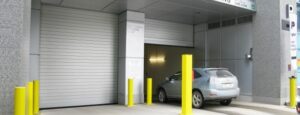
- Parking
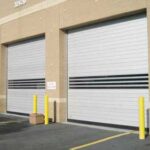
Improve security & traffic flow and enhance architectural style.
-
-
- Hurricane Zone
Withstand winds up to 175 mph and comply with the Florida Building Code.
-
-
-
-
- USDA / FDA / cGMP
Increase productivity & address stringent USDA, FDA & cGMP requirements.
-
-
- Freezers
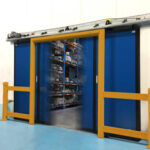
High-speed & perimeter seals minimize the air exchange between areas.
-
-
- Security
High speed & durability ensure secure access.
-
-
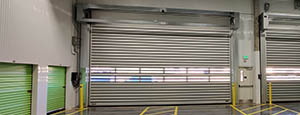
- Ventilation
Perforated or screen door panels allow improved air circulation.
-
-
-
-
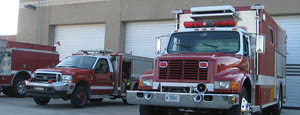
- Fire Station Emergency Response
When time is of the essence, high speed and reliability are crucial.
-
-
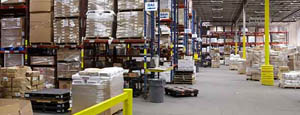
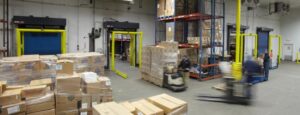
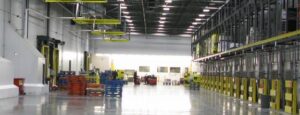
- Warehousing
Fast cycle times and secure seals keep environments separated.
-
-
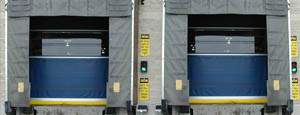
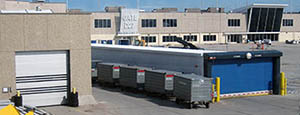
- Loading Dock
Rugged design & secure seal for oversized openings.
-
-
- Large Openings
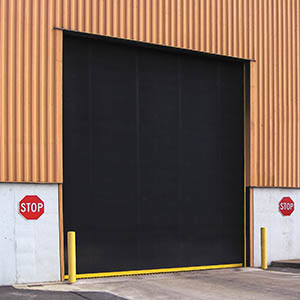
Break-away functionality with rugged design seals oversized openings.
-
-
-
-
- Heavy Equipment
Withstands challenges of heavy equipment and fleet truck/car wash environments.
-
-
- Self-Storage
Fast opening speeds and reliable, durable construction keep facilities secure and protected.
-
-
- Industries
-
-
-
- Automotive Dealerships
Reduce energy costs, increase productivity and comfort and enhance customer perception.
-
-
- Cold Storage & Processing
Increase productivity and operational efficiency while reducing energy and maintenance costs.
-
-
- Parking
We offer solutions for Apartment / Condo & Loft, Standalone Parking Facilities and Office Buildings
-
-
-
-
- Food & Beverage
Doors specifically engineered for USDA/FDA and cGMP environments, and assured compliance for uncompromising performance.
-
-
- Mfg/Dist/Warehousing
A complete product line allows facilities to increase efficiency and safety and reduce maintenance and energy costs.
-
-
- Government
Ensure effective security and environmental controls are maintained for critical government operations.
-
-
-
-
- Transit
Keep operations running smoothly and efficient while reducing energy and maintenance costs.
-
-
- Pharma, Nutraceutical & Biotech
Doors that offer quick, secure access, environmental control and reliability for life science facilities.
-
-
- Support Resources
- Parts
- Contact Us
- Blog/News
- Why Rytec
- Sales Rep Locator
- Careers
- Dealers
- Architectural Resources

Top 10 Material Handling Robot Manufacturers in China?
China’s factory floors are changing, but not in one uniform way. A robot moving cartons through a busy warehouse faces different demands from one feeding a production line. This guide to the Top 10 Material Handling Robot Manufacturers in China examines how suppliers address those everyday tasks, from pallet transport to machine tending.
Joseph Engelberger, widely regarded as a pioneer of industrial robotics, once said, “I can’t define a robot, but I know one when I see one.” The line is a useful reminder: a polished product photo tells little about performance. Buyers should look at payload, navigation, safety features, integration support, service access, and how reliably a system handles real operating conditions. Small details matter. A narrow aisle can change the whole plan.
The manufacturers featured here are compared through practical criteria, not claimed as a universal ranking. Product range, deployment experience, technical documentation, and support capacity can help readers build a shortlist. Yet public information is uneven, and a supplier’s stated capabilities do not guarantee results at every site. That is worth questioning. Before choosing, request a site assessment, verify references, and test the proposed workflow against your own loads and floor layout. A careful comparison can narrow the field, but the final fit depends on the operation itself.
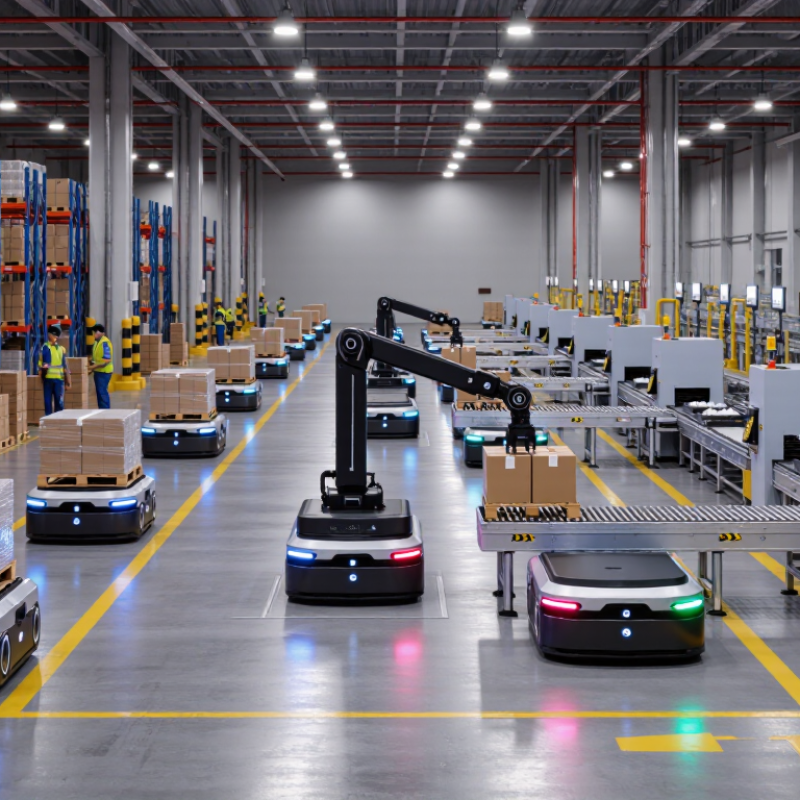
Table of Contents [Hide]
What Material Handling Robots Are and How They Support Industry
Material Handling Robots move, lift, transfer, or position goods within factories and warehouses. They may carry bins between workstations, load pallets, or feed parts into production equipment. Some follow fixed routes; others use sensors and mapped paths to navigate changing layouts. Their usefulness depends on the task, payload, travel distance, and surrounding traffic. Not magic.
In daily operations, these systems can reduce repetitive lifting and keep materials moving between process steps. A robot may deliver a component trolley to an assembly cell while workers focus on inspection or fitting. Sensors, scanners, and controlled speed help it detect people and obstacles, but safe operation still depends on suitable site design and risk assessment. A narrow aisle can defeat a capable machine. That detail is easy to miss.
Choosing a system starts with observing the actual workflow, not just counting trips. Engineers typically check load weight, turning space, floor conditions, handoff points, and how often routes change. They also consider charging, maintenance access, and integration with doors or conveyors. Trial runs can expose awkward stops and confusing traffic patterns before broader deployment. Plans look neat on paper; factory floors rarely do. Human oversight remains important, especially when products, layouts, or schedules change.