
- High-Performance Doors
-
- Applications
-
-
-
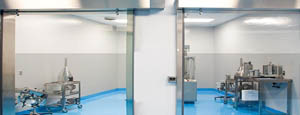
- Clean Room
Stainless steel or composite materials help maintain clean rooms.
-
-
- Coolers
Quick opening speeds & tight seals for temperature control.
-
-
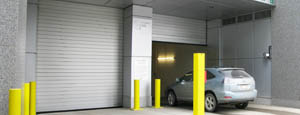
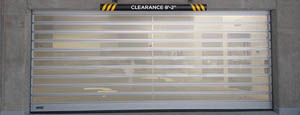
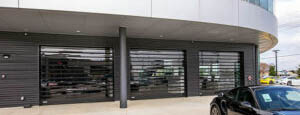
- Parking
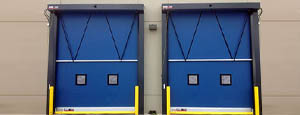
Improve security & traffic flow and enhance architectural style.
-
-
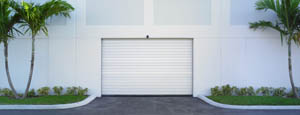
- Hurricane Zone
Withstand winds up to 175 mph and comply with the Florida Building Code.
-
-
-
-
- USDA / FDA / cGMP
Increase productivity & address stringent USDA, FDA & cGMP requirements.
-
-
- Freezers
High-speed & perimeter seals minimize the air exchange between areas.
-
-
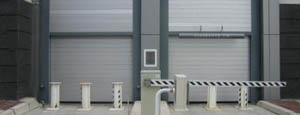
- Security
High speed & durability ensure secure access.
-
-
- Ventilation
Perforated or screen door panels allow improved air circulation.
-
-
-
-
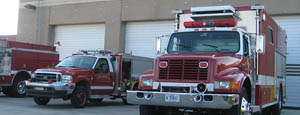
- Fire Station Emergency Response
When time is of the essence, high speed and reliability are crucial.
-
-
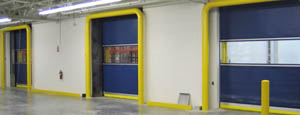
- Warehousing
Fast cycle times and secure seals keep environments separated.
-
-
- Loading Dock
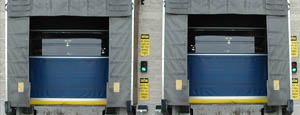
Rugged design & secure seal for oversized openings.
-
-
- Large Openings
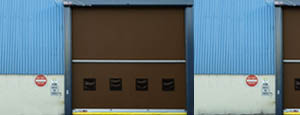
Break-away functionality with rugged design seals oversized openings.
-
-
-
-
- Heavy Equipment
Withstands challenges of heavy equipment and fleet truck/car wash environments.
-
-
- Self-Storage
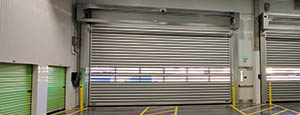
Fast opening speeds and reliable, durable construction keep facilities secure and protected.
-
-
- Industries
-
-
-
- Automotive Dealerships
Reduce energy costs, increase productivity and comfort and enhance customer perception.
-
-
- Cold Storage & Processing
Increase productivity and operational efficiency while reducing energy and maintenance costs.
-
-
- Parking
We offer solutions for Apartment / Condo & Loft, Standalone Parking Facilities and Office Buildings
-
-
-
-
- Food & Beverage
Doors specifically engineered for USDA/FDA and cGMP environments, and assured compliance for uncompromising performance.
-
-
- Mfg/Dist/Warehousing
A complete product line allows facilities to increase efficiency and safety and reduce maintenance and energy costs.
-
-
- Government
Ensure effective security and environmental controls are maintained for critical government operations.
-
-
-
-
- Transit
Keep operations running smoothly and efficient while reducing energy and maintenance costs.
-
-
- Pharma, Nutraceutical & Biotech
Doors that offer quick, secure access, environmental control and reliability for life science facilities.
-
-
- Support Resources
- Parts
- Contact Us
- Blog/News
- Why Rytec
- Sales Rep Locator
- Careers
- Dealers
- Architectural Resources








What Is a Knurled Door Handle and Why Is It Popular?
A Knurled Door Handle combines a practical grip with a distinctly crafted appearance. Its surface contains small, repeated ridges, usually cut or pressed into metal. These ridges catch the fingers, even when hands are damp, cold, or carrying shopping bags. The result feels more secure than a completely smooth lever. It also creates a subtle visual rhythm across a door.
Dieter Rams, a respected industrial designer, offers a useful principle: “Good design is as little design as possible.” His Ten Principles help explain the handle’s appeal. Knurling adds texture without requiring decoration, bright colors, or complex shapes. Brass, stainless steel, and matte black finishes can make the same pattern feel traditional, modern, or industrial. That flexibility suits kitchens, boutique hotels, offices, and renovated homes.
However, popularity does not prove perfection. A sharply cut pattern may collect dust around its grooves. Cheap plating can wear quickly near busy entrances. Some users may also find aggressive knurling uncomfortable after repeated contact. These details matter more than photographs suggest. A reliable choice depends on the handle’s core material, edge treatment, fixing method, and maintenance requirements. It should feel solid before it looks impressive. Perhaps that is the part many product descriptions overlook. This guide examines what a Knurled Door Handle is, why designers and homeowners choose it, and where its practical limits deserve closer attention.
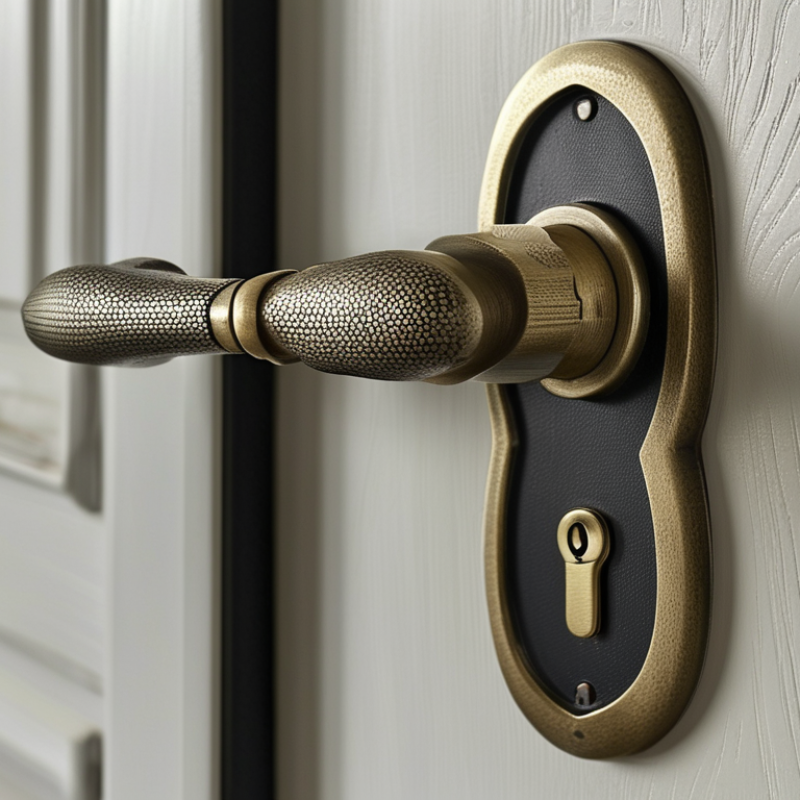
Table of Contents [Hide]
Definition and Key Features of a Knurled Door Handle
A knurled door handle is a handle with a finely ridged surface. These grooves are usually cut or pressed into the grip, creating a textured pattern that feels precise under the hand. The ridges can improve traction when fingers are wet, cold, or lightly gloved. They also give a plain door stronger visual character. Common designs include straight, diamond, and cross-hatched knurling. The handle normally combines a solid lever, a concealed rose, and a durable metal finish. Its best feature is tactile control.
The renovation market supports this design interest. Harvard Joint Center for Housing Studies estimated that U.S. homeowner improvement spending reached about 472 billion dollars in 2022. Replacement hardware is a small purchase within that larger cycle, but it changes daily contact points. A knurled handle can also help users who prefer a firmer grip, although it is not automatically an accessibility product. Surface depth, lever shape, return action, and installation height still matter. Check those details carefully. The 2024 Houzz U.S. Kitchen Trends Study reported that roughly seven in ten renovating homeowners replaced cabinet hardware, showing continued interest in visible touchpoints. Door handles follow a similar design logic, though kitchen hardware data should not be treated as direct door-hardware evidence. That distinction matters. Knurling is not maintenance-free; dust may settle inside narrow grooves, and aggressive cleaning can dull some finishes. A practical choice balances grip, cleaning effort, hand comfort, and the door’s overall style.