
- High-Performance Doors
-
- Applications
-
-
-
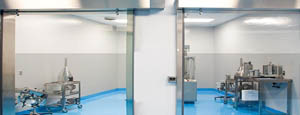
- Clean Room
Stainless steel or composite materials help maintain clean rooms.
-
-
- Coolers
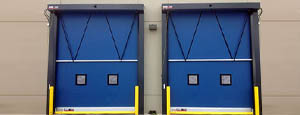
Quick opening speeds & tight seals for temperature control.
-
-
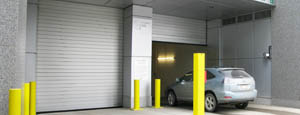
- Parking
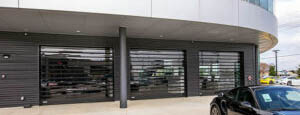
Improve security & traffic flow and enhance architectural style.
-
-
- Hurricane Zone
Withstand winds up to 175 mph and comply with the Florida Building Code.
-
-
-
-
- USDA / FDA / cGMP
Increase productivity & address stringent USDA, FDA & cGMP requirements.
-
-
- Freezers
High-speed & perimeter seals minimize the air exchange between areas.
-
-
- Security
High speed & durability ensure secure access.
-
-
- Ventilation
Perforated or screen door panels allow improved air circulation.
-
-
-
-
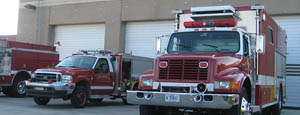
- Fire Station Emergency Response
When time is of the essence, high speed and reliability are crucial.
-
-
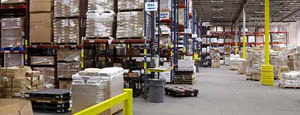
- Warehousing
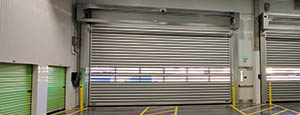
Fast cycle times and secure seals keep environments separated.
-
-
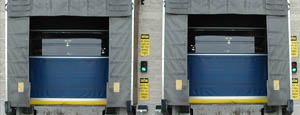
- Loading Dock
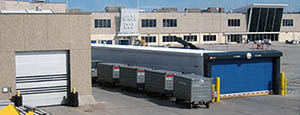
Rugged design & secure seal for oversized openings.
-
-
- Large Openings
Break-away functionality with rugged design seals oversized openings.
-
-
-
-
- Heavy Equipment
Withstands challenges of heavy equipment and fleet truck/car wash environments.
-
-
- Self-Storage
Fast opening speeds and reliable, durable construction keep facilities secure and protected.
-
-
- Industries
-
-
-
- Automotive Dealerships
Reduce energy costs, increase productivity and comfort and enhance customer perception.
-
-
- Cold Storage & Processing
Increase productivity and operational efficiency while reducing energy and maintenance costs.
-
-
- Parking
We offer solutions for Apartment / Condo & Loft, Standalone Parking Facilities and Office Buildings
-
-
-
-
- Food & Beverage
Doors specifically engineered for USDA/FDA and cGMP environments, and assured compliance for uncompromising performance.
-
-
- Mfg/Dist/Warehousing
A complete product line allows facilities to increase efficiency and safety and reduce maintenance and energy costs.
-
-
- Government
Ensure effective security and environmental controls are maintained for critical government operations.
-
-
-
-
- Transit
Keep operations running smoothly and efficient while reducing energy and maintenance costs.
-
-
- Pharma, Nutraceutical & Biotech
Doors that offer quick, secure access, environmental control and reliability for life science facilities.
-
-
- Support Resources
- Parts
- Contact Us
- Blog/News
- Why Rytec
- Sales Rep Locator
- Careers
- Dealers
- Architectural Resources
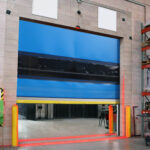
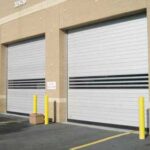
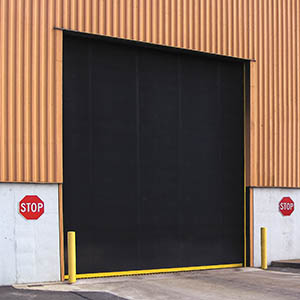
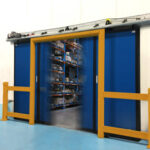






Why Are Roll Up Door Sizes Important for Your Property Needs?
When considering a property’s functionality, roll up door sizes play a vital role. These doors must fit various building types, from warehouses to garages. In a recent survey, 73% of property managers highlighted the importance of selecting the right door size. Having an ill-fitting door can lead to inefficiencies and safety hazards.
Proper dimensions ensure easy access for vehicles and equipment. If the opening is too small, heavy machinery may struggle to enter. A report from the Association of Warehouse Managers shows that 45% of operational delays stem from inadequate space. Similarly, if a roll up door is too large, it may expose the property to weather damage or security issues.
Choosing the correct roll up door sizes can improve workflow and protect assets efficiently. However, many property owners overlook this crucial aspect. It’s essential to reflect on your needs and the implications of sizing errors. Investing time in door specifications could save money and operational headaches in the long run.
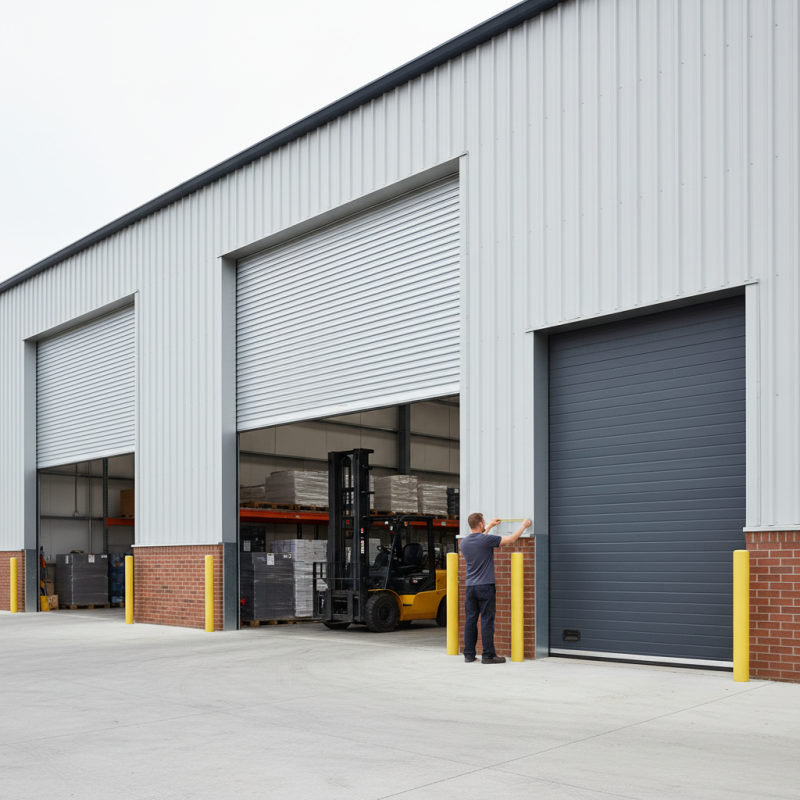
Table of Contents
[Hide]
Understanding the Basics of Roll Up Door Sizes
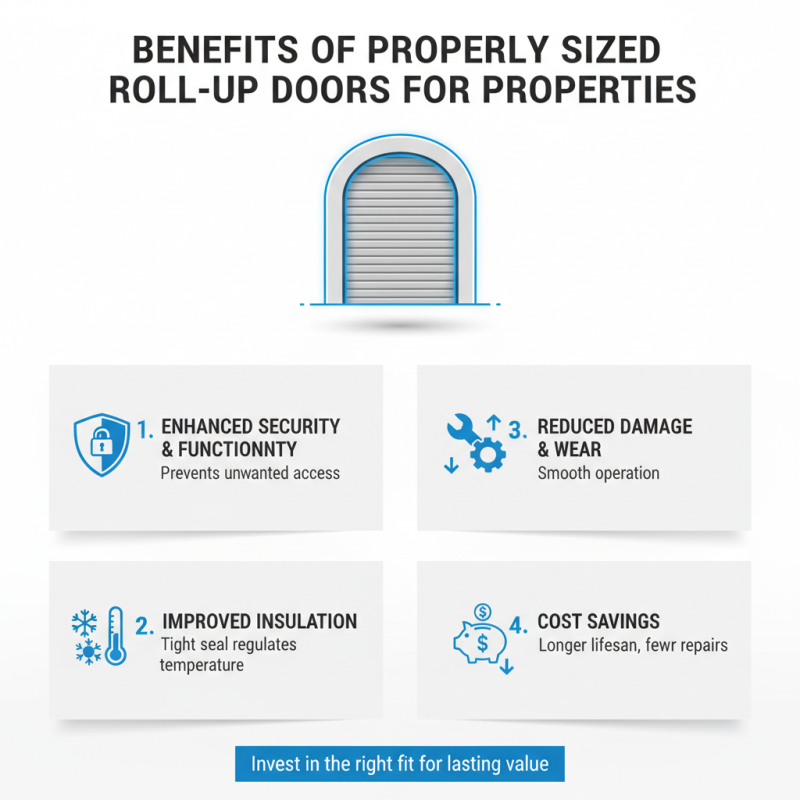
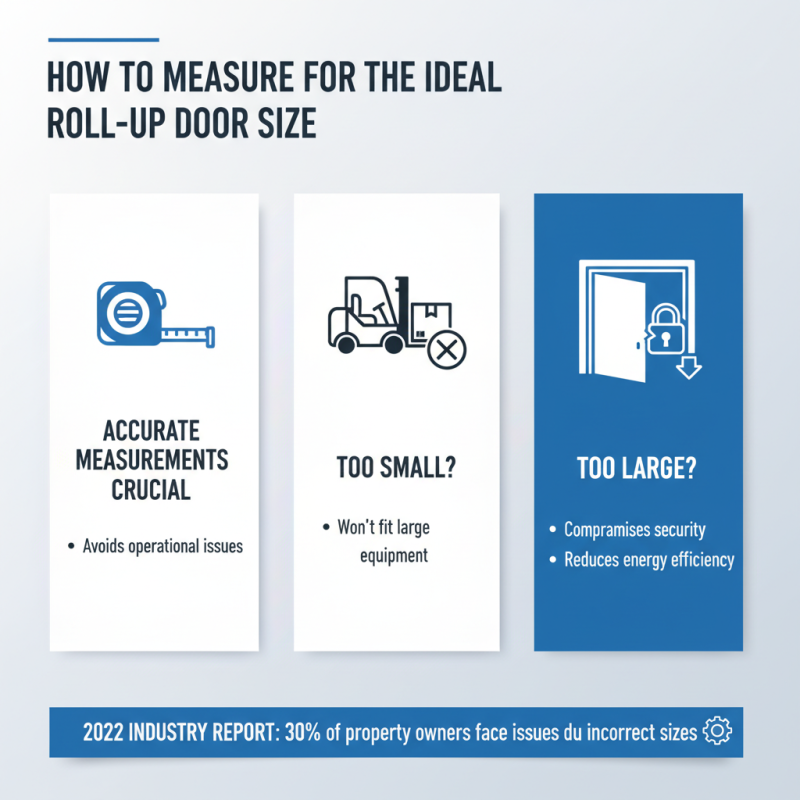
Roll up doors are essential for various properties, from warehouses to retail spaces. Their sizes significantly impact functionality and accessibility. In a recent industry report, it was noted that nearly 70% of logistics companies consider size a critical factor when selecting a roll up door. A door that is too small can restrict the movement of large equipment. Conversely, oversized doors may lead to unnecessary energy loss.
Understanding the basics of roll up door sizes can prevent costly mistakes. For example, a standard roll up door width typically ranges from 8 to 12 feet. This range accommodates most large vehicles without hassle. However, custom sizes are available for specific needs. It's crucial to measure the opening accurately before installation. Inaccurate measurements can lead to a door that fails to fit properly, causing operational delays.
The height of roll up doors also matters. Standard heights usually range from 7 to 14 feet. Taller doors are ideal for stacked materials and high-clearance vehicles. A report indicated that companies investing in higher doors experienced a 30% increase in efficiency. Nonetheless, taller doors can be more expensive. Balancing height with budget is key. Each property has unique needs, so careful planning is essential.
Related Posts
-
2025 Top Steel Roll Up Doors: Benefits, Features, and Buying Guide
-
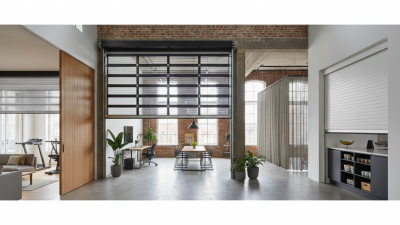
How to Choose the Best Interior Roll Up Doors for Your Space
-
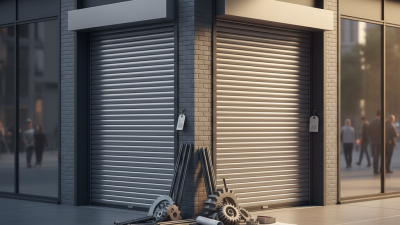
How to Choose the Best Roll Up Security Doors for Your Business?
-

2026 How to Choose the Right Roll Up Security Doors for Your Business?
-

Best Roll Up Doors for Commercial Use in 2026?
-

How to Choose the Best Remote Garage Door Opener for Your Home