
- High-Performance Doors
-
- Applications
-
-
-
- Clean Room
Stainless steel or composite materials help maintain clean rooms.
-
-
- Coolers
Quick opening speeds & tight seals for temperature control.
-
-
- Parking
Improve security & traffic flow and enhance architectural style.
-
-
- Hurricane Zone
Withstand winds up to 175 mph and comply with the Florida Building Code.
-
-
-
-
- USDA / FDA / cGMP
Increase productivity & address stringent USDA, FDA & cGMP requirements.
-
-
- Freezers
High-speed & perimeter seals minimize the air exchange between areas.
-
-
- Security
High speed & durability ensure secure access.
-
-
- Ventilation
Perforated or screen door panels allow improved air circulation.
-
-
-
-
- Fire Station Emergency Response
When time is of the essence, high speed and reliability are crucial.
-
-
- Warehousing
Fast cycle times and secure seals keep environments separated.
-
-
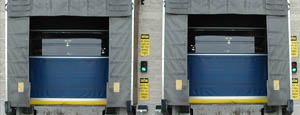
- Loading Dock
Rugged design & secure seal for oversized openings.
-
-
- Large Openings
Break-away functionality with rugged design seals oversized openings.
-
-
-
-
- Heavy Equipment
Withstands challenges of heavy equipment and fleet truck/car wash environments.
-
-
- Self-Storage
Fast opening speeds and reliable, durable construction keep facilities secure and protected.
-
-
- Industries
-
-
-
- Automotive Dealerships
Reduce energy costs, increase productivity and comfort and enhance customer perception.
-
-
- Cold Storage & Processing
Increase productivity and operational efficiency while reducing energy and maintenance costs.
-
-
- Parking
We offer solutions for Apartment / Condo & Loft, Standalone Parking Facilities and Office Buildings
-
-
-
-
- Food & Beverage
Doors specifically engineered for USDA/FDA and cGMP environments, and assured compliance for uncompromising performance.
-
-
- Mfg/Dist/Warehousing
A complete product line allows facilities to increase efficiency and safety and reduce maintenance and energy costs.
-
-
- Government
Ensure effective security and environmental controls are maintained for critical government operations.
-
-
-
-
- Transit
Keep operations running smoothly and efficient while reducing energy and maintenance costs.
-
-
- Pharma, Nutraceutical & Biotech
Doors that offer quick, secure access, environmental control and reliability for life science facilities.
-
-
- Support Resources
- Parts
- Contact Us
- Blog/News
- Why Rytec
- Sales Rep Locator
- Careers
- Dealers
- Architectural Resources




















How to Expand Your Maocai Business Globally?
Expanding a Maocai brand beyond its home market requires more than copying a popular menu. Maocai Business Expansion begins with understanding local tastes, food regulations, and customer expectations. The spicy broth that succeeds in Chengdu may overwhelm diners in London or Toronto. Portion sizes, spice levels, ingredient choices, and service speed may need careful adjustment.
A practical expansion plan starts with a controlled pilot store or delivery kitchen. Test a small menu first, including signature broth, fresh vegetables, tofu products, meat options, and clear allergen information. Local food permits, hygiene inspections, supplier standards, and temperature records must guide every decision. Reliable cold-chain logistics are essential for leafy greens, seafood, and prepared ingredients. Local trust matters.
Strong operators also document recipes and train staff consistently. A visible preparation area can reassure customers when cleanliness is maintained. Partnerships with experienced local distributors may reduce waste and improve delivery times. However, overseas partnerships require due diligence, written quality standards, and regular audits. Marketing should explain Maocai clearly without claiming health benefits or misrepresenting its origin.
Expansion rarely follows a perfect formula. A first pilot may reveal that customers prefer milder broth or smaller portions. That is useful evidence, not failure. Customer reviews, repeat-purchase data, and staff observations should shape the next version. The goal is not rapid growth alone. It is a legally compliant, culturally aware, and financially sustainable Maocai brand that earns confidence one bowl at a time.
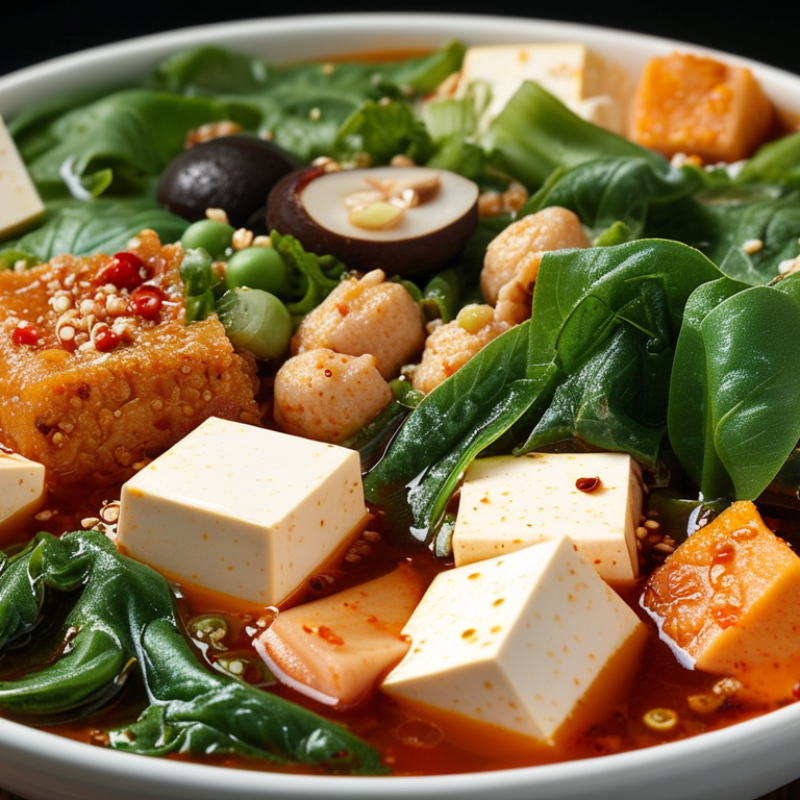
Table of Contents [Hide]
Define Maocai’s Global Product Identity and Market Position
How to Expand Your Maocai Business Globally?
Maocai needs a clear identity before entering overseas markets. It is a Sichuan-inspired bowl meal built around simmered ingredients, aromatic broth, and personal choice. The product should feel warm, flexible, and freshly prepared. Its story can highlight regional cooking knowledge without presenting tradition as a decoration. Customers should understand what they are ordering within seconds.
Market position must connect authenticity with everyday convenience. In pilot tastings, customers often respond to visible ingredients, adjustable spice levels, and quick service. However, not every customer wants intense heat. That matters. A practical menu can offer mild, medium, and hot options while preserving the broth’s layered flavor. Clear ingredient displays can also support customers with allergies or dietary restrictions.
Reliable expansion depends on repeatable standards. Each location should document broth preparation, ingredient storage, cooking times, portion sizes, and temperature controls. Staff training should include flavor explanations, hygiene routines, and respectful communication about cultural origins. Packaging must protect texture during delivery and provide accurate ingredient information. Local research is still necessary. A flavor that feels balanced in one city may seem too salty elsewhere. Testing can reveal uncomfortable truths, but ignoring them creates bigger costs. The strongest position may be “customizable regional comfort food,” rather than a vague claim of exotic taste.