
- High-Performance Doors
-
- Applications
-
-
-
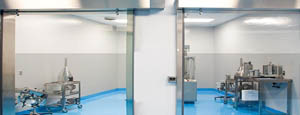
- Clean Room
Stainless steel or composite materials help maintain clean rooms.
-
-
- Coolers
Quick opening speeds & tight seals for temperature control.
-
-
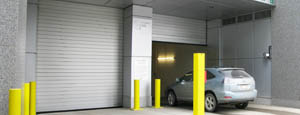
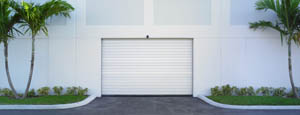
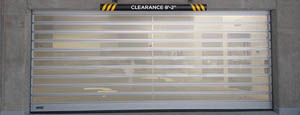
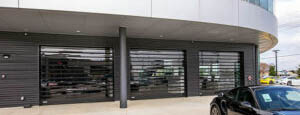
- Parking
Improve security & traffic flow and enhance architectural style.
-
-
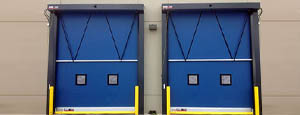
- Hurricane Zone
Withstand winds up to 175 mph and comply with the Florida Building Code.
-
-
-
-
- USDA / FDA / cGMP
Increase productivity & address stringent USDA, FDA & cGMP requirements.
-
-
- Freezers
High-speed & perimeter seals minimize the air exchange between areas.
-
-
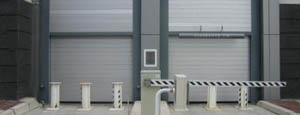
- Security
High speed & durability ensure secure access.
-
-
- Ventilation
Perforated or screen door panels allow improved air circulation.
-
-
-
-
- Fire Station Emergency Response
When time is of the essence, high speed and reliability are crucial.
-
-
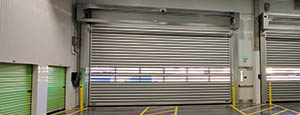
- Warehousing
Fast cycle times and secure seals keep environments separated.
-
-
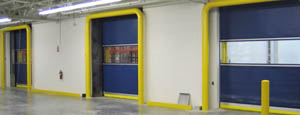
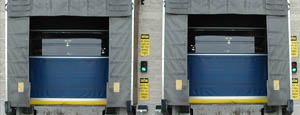
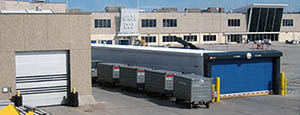
- Loading Dock
Rugged design & secure seal for oversized openings.
-
-
- Large Openings
Break-away functionality with rugged design seals oversized openings.
-
-
-
-
- Heavy Equipment
Withstands challenges of heavy equipment and fleet truck/car wash environments.
-
-
- Self-Storage
Fast opening speeds and reliable, durable construction keep facilities secure and protected.
-
-
- Industries
-
-
-
- Automotive Dealerships
Reduce energy costs, increase productivity and comfort and enhance customer perception.
-
-
- Cold Storage & Processing
Increase productivity and operational efficiency while reducing energy and maintenance costs.
-
-
- Parking
We offer solutions for Apartment / Condo & Loft, Standalone Parking Facilities and Office Buildings
-
-
-
-
- Food & Beverage
Doors specifically engineered for USDA/FDA and cGMP environments, and assured compliance for uncompromising performance.
-
-
- Mfg/Dist/Warehousing
A complete product line allows facilities to increase efficiency and safety and reduce maintenance and energy costs.
-
-
- Government
Ensure effective security and environmental controls are maintained for critical government operations.
-
-
-
-
- Transit
Keep operations running smoothly and efficient while reducing energy and maintenance costs.
-
-
- Pharma, Nutraceutical & Biotech
Doors that offer quick, secure access, environmental control and reliability for life science facilities.
-
-
- Support Resources
- Parts
- Contact Us
- Blog/News
- Why Rytec
- Sales Rep Locator
- Careers
- Dealers
- Architectural Resources










2026 How to Choose WPC Classic Decking for Your Project?
Choosing the right material for your outdoor space is essential. WPC Classic Decking is a popular choice among homeowners and builders. It combines beauty with durability. However, many factors influence your decision.
WPC Classic Decking offers a blend of wood and plastic. This unique composition enhances resistance to moisture and pests. It can be an appealing option, but misconceptions exist. Some might think it's inferior to real wood. Yet, its low maintenance needs and long lifespan are undeniable benefits.
When selecting WPC Classic Decking, consider your environment. Climate conditions can affect the material. The color and texture can fit diverse design aesthetics. Don’t rush into a decision. Take your time to research and compare options. Listen to customer reviews and seek expert advice. It's vital to make an informed choice that meets your needs.
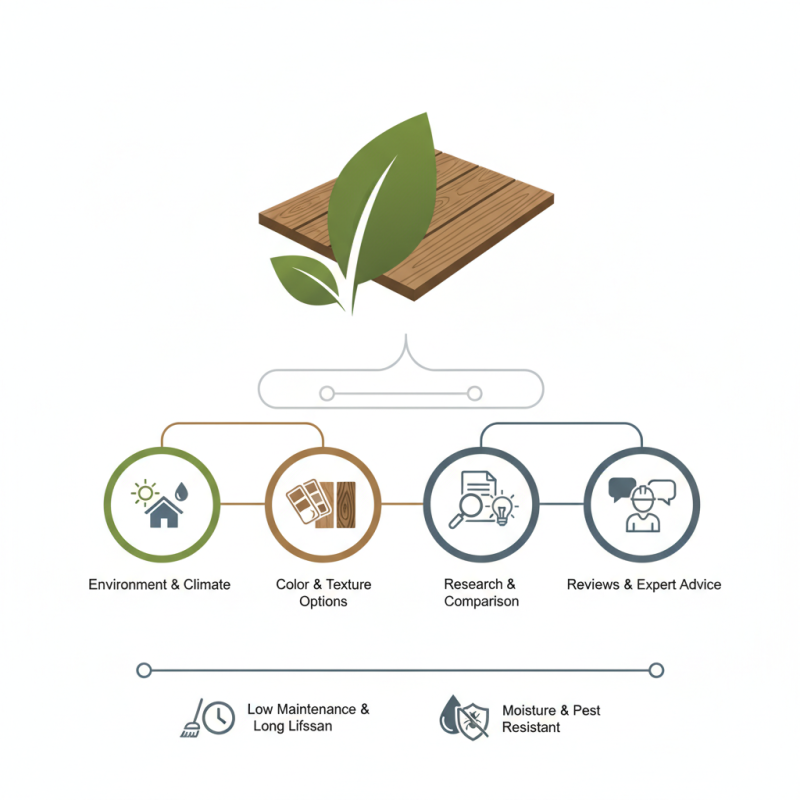
Table of Contents [Hide]
Understanding WPC Classic Decking: Key Features and Benefits
WPC (Wood-Plastic Composite) classic decking is gaining popularity for various outdoor projects. Its key features include durability, low maintenance, and an attractive appearance. Reports indicate that WPC decking lasts approximately 25 years, significantly longer than traditional wood. It resists rot and insect damage, which are common issues in outdoor environments. This resistance can reduce long-term costs, making it an attractive option for homeowners.
The benefits of WPC decking extend beyond longevity. This material is eco-friendly, often made from recycled materials. According to the Plastic Industry Association, about 30% of WPC products come from reclaimed wood and plastic. This minimizes waste and lowers the carbon footprint of your project. WPC decking also provides a slip-resistant surface, ideal for pool areas or wet climates. However, some users note that intense heat can make the surface less comfortable in summer, requiring consideration for placement and use.
Lastly, while WPC offers many advantages, it’s essential to choose quality products. Some lower-end composites may fade or warp over time. Evaluating warranties and manufacturer reputations can help avoid these pitfalls. Misjudging quality can lead to dissatisfaction, as users may expect high performance based on initial impressions. Researching and consulting with professionals can ensure you select the right option for your needs.