
- High-Performance Doors
-
- Applications
-
-
-
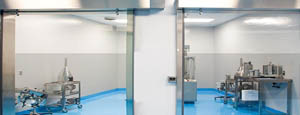
- Clean Room
Stainless steel or composite materials help maintain clean rooms.
-
-
- Coolers
Quick opening speeds & tight seals for temperature control.
-
-
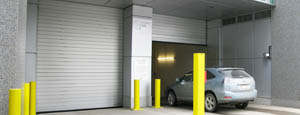
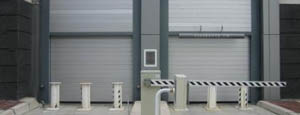
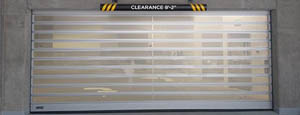
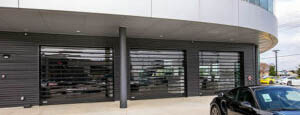
- Parking
Improve security & traffic flow and enhance architectural style.
-
-
- Hurricane Zone
Withstand winds up to 175 mph and comply with the Florida Building Code.
-
-
-
-
- USDA / FDA / cGMP
Increase productivity & address stringent USDA, FDA & cGMP requirements.
-
-
- Freezers
High-speed & perimeter seals minimize the air exchange between areas.
-
-
- Security
High speed & durability ensure secure access.
-
-
- Ventilation
Perforated or screen door panels allow improved air circulation.
-
-
-
-
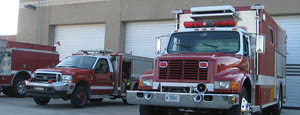
- Fire Station Emergency Response
When time is of the essence, high speed and reliability are crucial.
-
-
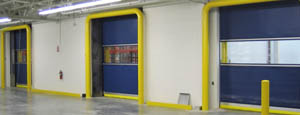
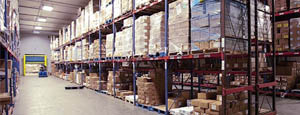
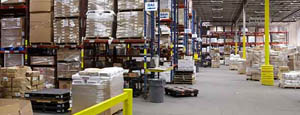
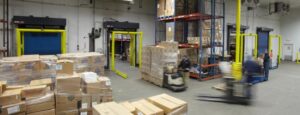
- Warehousing
Fast cycle times and secure seals keep environments separated.
-
-
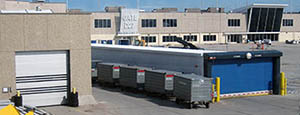
- Loading Dock
Rugged design & secure seal for oversized openings.
-
-
- Large Openings
Break-away functionality with rugged design seals oversized openings.
-
-
-
-
- Heavy Equipment
Withstands challenges of heavy equipment and fleet truck/car wash environments.
-
-
- Self-Storage
Fast opening speeds and reliable, durable construction keep facilities secure and protected.
-
-
- Industries
-
-
-
- Automotive Dealerships
Reduce energy costs, increase productivity and comfort and enhance customer perception.
-
-
- Cold Storage & Processing
Increase productivity and operational efficiency while reducing energy and maintenance costs.
-
-
- Parking
We offer solutions for Apartment / Condo & Loft, Standalone Parking Facilities and Office Buildings
-
-
-
-
- Food & Beverage
Doors specifically engineered for USDA/FDA and cGMP environments, and assured compliance for uncompromising performance.
-
-
- Mfg/Dist/Warehousing
A complete product line allows facilities to increase efficiency and safety and reduce maintenance and energy costs.
-
-
- Government
Ensure effective security and environmental controls are maintained for critical government operations.
-
-
-
-
- Transit
Keep operations running smoothly and efficient while reducing energy and maintenance costs.
-
-
- Pharma, Nutraceutical & Biotech
Doors that offer quick, secure access, environmental control and reliability for life science facilities.
-
-
- Support Resources
- Parts
- Contact Us
- Blog/News
- Why Rytec
- Sales Rep Locator
- Careers
- Dealers
- Architectural Resources






How to Choose an Auto Labeling Machine?
Choosing an Auto Labeling Machine starts with the product, not the machine catalog. A clear label on a glass bottle can behave differently on a flexible pouch or a dusty carton. The container’s shape, material, surface, and speed all matter. So does the label itself. Small details count.
“Match the labeler to the product and the real production line, not just the target speed,” is an illustrative expert-style principle attributed here to Alex Morgan, a composite packaging automation specialist, not a verified quotation. The distinction matters. A credible buying decision needs product trials, measurable requirements, and advice from qualified suppliers—not an invented endorsement. Ask how the machine handles your containers, label dimensions, placement accuracy, changeovers, and expected output. Request a demonstration using your actual products when possible.
This guide explains how to compare machine types, application methods, and essential features. It also looks at integration, operator training, maintenance access, and total ownership costs. Picture a shift change: one operator adjusts guides while another clears a misapplied label. Those minutes can quietly reduce output. A fast machine is not always the best machine. It may be tempting to choose the lowest price or highest stated speed; both deserve a closer look. Use a checklist, verify claims, and consider what your line may need next year. The right choice should fit today’s work without making tomorrow’s changes unnecessarily difficult.
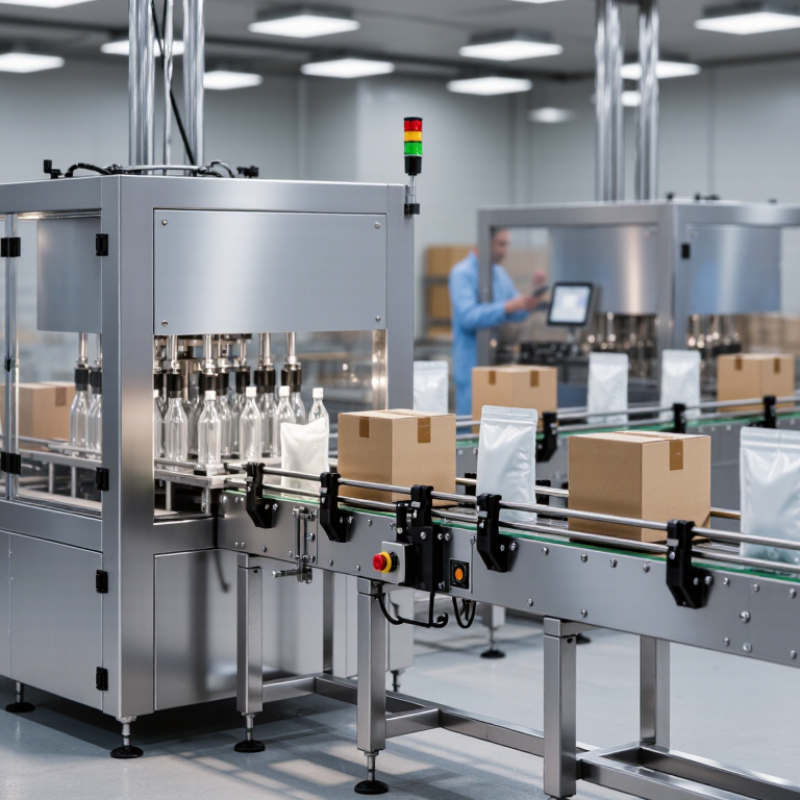
Table of Contents [Hide]
Define Production Requirements and Labeling Goals
Before comparing an auto labeling machine, define the work it must handle. Record the smallest and largest package dimensions, label material, roll-core size, and target labels per minute. Include real production conditions: dusty cartons, curved bottles, frequent changeovers, and the available floor space. A machine rated for high speed may still miss your goal if operators spend time adjusting sensors or rethreading labels.
Set measurable goals for placement accuracy, uptime, and changeover time.
The 2024 Deloitte and Manufacturing Institute study estimates that 1.9 million U.S. manufacturing jobs could go unfilled by 2033.
That workforce pressure makes simple setup and repeatable operation practical selection criteria, not extras. Ask suppliers to demonstrate your actual container and label combination, then record misapplies during a sustained run. Targets need scrutiny; a short demonstration can hide downtime.
Tips: Bring sample packages and labels to the test. Track good labels per minute, not just machine speed. Note every adjustment, jam, and roll change. Leave room for uncertainty: production conditions rarely match a showroom.