
- High-Performance Doors
-
- Applications
-
-
-
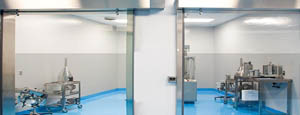
- Clean Room
Stainless steel or composite materials help maintain clean rooms.
-
-
- Coolers
Quick opening speeds & tight seals for temperature control.
-
-
- Parking
Improve security & traffic flow and enhance architectural style.
-
-
- Hurricane Zone
Withstand winds up to 175 mph and comply with the Florida Building Code.
-
-
-
-
- USDA / FDA / cGMP
Increase productivity & address stringent USDA, FDA & cGMP requirements.
-
-
- Freezers
High-speed & perimeter seals minimize the air exchange between areas.
-
-
- Security
High speed & durability ensure secure access.
-
-
- Ventilation
Perforated or screen door panels allow improved air circulation.
-
-
-
-
- Fire Station Emergency Response
When time is of the essence, high speed and reliability are crucial.
-
-
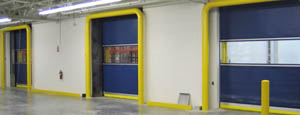
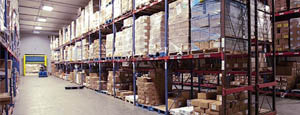
- Warehousing
Fast cycle times and secure seals keep environments separated.
-
-
- Loading Dock
Rugged design & secure seal for oversized openings.
-
-
- Large Openings
Break-away functionality with rugged design seals oversized openings.
-
-
-
-
- Heavy Equipment
Withstands challenges of heavy equipment and fleet truck/car wash environments.
-
-
- Self-Storage
Fast opening speeds and reliable, durable construction keep facilities secure and protected.
-
-
- Industries
-
-
-
- Automotive Dealerships
Reduce energy costs, increase productivity and comfort and enhance customer perception.
-
-
- Cold Storage & Processing
Increase productivity and operational efficiency while reducing energy and maintenance costs.
-
-
- Parking
We offer solutions for Apartment / Condo & Loft, Standalone Parking Facilities and Office Buildings
-
-
-
-
- Food & Beverage
Doors specifically engineered for USDA/FDA and cGMP environments, and assured compliance for uncompromising performance.
-
-
- Mfg/Dist/Warehousing
A complete product line allows facilities to increase efficiency and safety and reduce maintenance and energy costs.
-
-
- Government
Ensure effective security and environmental controls are maintained for critical government operations.
-
-
-
-
- Transit
Keep operations running smoothly and efficient while reducing energy and maintenance costs.
-
-
- Pharma, Nutraceutical & Biotech
Doors that offer quick, secure access, environmental control and reliability for life science facilities.
-
-
- Support Resources
- Parts
- Contact Us
- Blog/News
- Why Rytec
- Sales Rep Locator
- Careers
- Dealers
- Architectural Resources












How to Choose an Air Compressor Air Dryer?
Choosing an Air Compressor Air Dryer is not a simple matter of matching horsepower. The correct choice depends on air quality, pressure, flow, temperature, and operating conditions. A small workshop may need a refrigerated dryer for clean, general-purpose air. A pharmaceutical, food-processing, or instrument-air system may require a desiccant dryer with a much lower pressure dew point. The wrong selection can leave water inside pipes, damage pneumatic tools, and interrupt production.
Ron Marshall, a respected compressed-air systems specialist, offers a useful principle: “Select the dryer for the air quality the process requires, not merely for the compressor’s size.” That advice deserves careful attention. A dryer rated for average conditions may fail during summer heat, heavy production, or unusual airflow peaks. Check the inlet temperature, maximum pressure, required flow rate, and local ambient temperature before comparing models. Also review ISO 8573-1 requirements when the application demands documented air purity.
Look beyond the purchase price. Refrigerated dryers usually consume less energy and suit many general applications. Desiccant dryers can reach much drier air, but they may use purge air and require regular media maintenance. Automatic drains, pre-filters, after-filters, and dew-point monitoring also affect reliability. Small details matter.
No selection method is flawless. Real systems change. A future production line may need more capacity than today’s estimate. For that reason, this guide examines practical sizing, dryer technologies, energy use, maintenance demands, and total ownership cost. The goal is dependable dry air, not an impressive specification sheet.
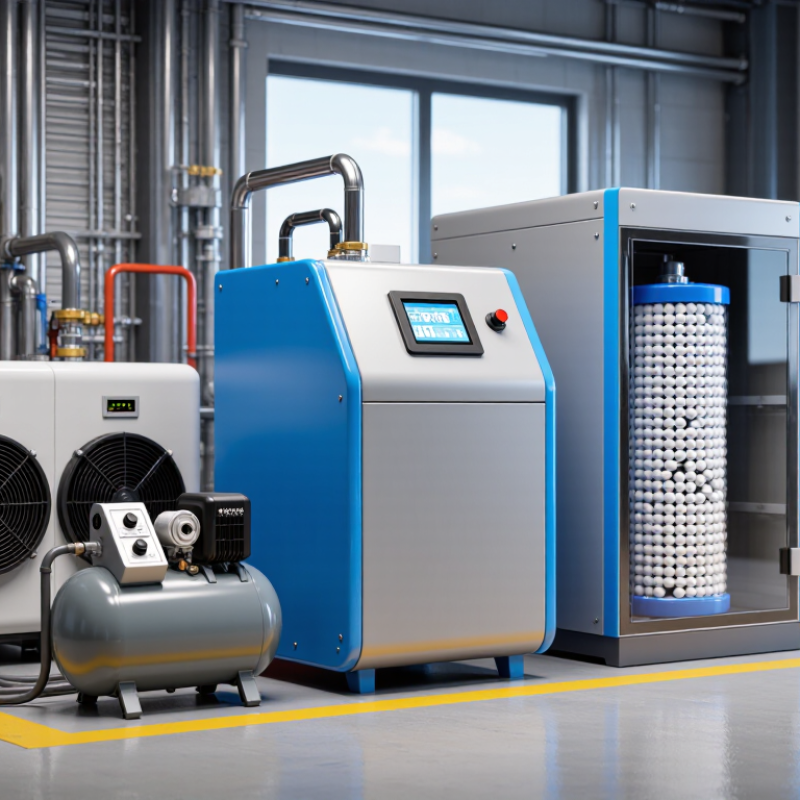
Table of Contents [Hide]
Understanding the Role of an Air Dryer in Compressed Air Systems
How to Choose an Air Compressor Air Dryer?
An air dryer removes moisture from compressed air before it reaches pipes, tools, and production equipment. Compressed air leaves the compressor hot and carries water vapor. As it cools, that vapor becomes liquid. The result can be rust, blocked valves, damaged instruments, and poor product quality. A dryer helps keep the air clean and stable.
The right dryer depends on the required pressure dew point, airflow, working pressure, and surrounding temperature. Refrigerated dryers suit many general workshops because they remove moisture efficiently at moderate dew points. Desiccant dryers achieve much drier air for sensitive instruments, outdoor lines, or moisture-critical processes. Do not choose by compressor horsepower alone. Air demand changes during shifts, and an undersized dryer may struggle when several tools operate together.
Check pressure drop, drain performance, and maintenance access before installation. An automatic drain that fails can quietly send water downstream. That detail is easy to miss. I would also inspect the air receiver and piping layout, because poor cooling or low points can collect moisture after the dryer. In real installations, users sometimes select an extremely dry system without measuring their actual needs. That can increase energy use and replacement costs. Measure the dew point requirement first, then compare dryer capacity under the hottest expected conditions. Clean filters and regular drain checks still matter. No dryer can correct neglected maintenance.