
- High-Performance Doors
-
- Applications
-
-
-
- Clean Room
Stainless steel or composite materials help maintain clean rooms.
-
-
- Coolers
Quick opening speeds & tight seals for temperature control.
-
-
- Parking
Improve security & traffic flow and enhance architectural style.
-
-
- Hurricane Zone
Withstand winds up to 175 mph and comply with the Florida Building Code.
-
-
-
-
- USDA / FDA / cGMP
Increase productivity & address stringent USDA, FDA & cGMP requirements.
-
-
- Freezers
High-speed & perimeter seals minimize the air exchange between areas.
-
-
- Security
High speed & durability ensure secure access.
-
-
- Ventilation
Perforated or screen door panels allow improved air circulation.
-
-
-
-
- Fire Station Emergency Response
When time is of the essence, high speed and reliability are crucial.
-
-
- Warehousing
Fast cycle times and secure seals keep environments separated.
-
-
- Loading Dock
Rugged design & secure seal for oversized openings.
-
-
- Large Openings
Break-away functionality with rugged design seals oversized openings.
-
-
-
-
- Heavy Equipment
Withstands challenges of heavy equipment and fleet truck/car wash environments.
-
-
- Self-Storage
Fast opening speeds and reliable, durable construction keep facilities secure and protected.
-
-
- Industries
-
-
-
- Automotive Dealerships
Reduce energy costs, increase productivity and comfort and enhance customer perception.
-
-
- Cold Storage & Processing
Increase productivity and operational efficiency while reducing energy and maintenance costs.
-
-
- Parking
We offer solutions for Apartment / Condo & Loft, Standalone Parking Facilities and Office Buildings
-
-
-
-
- Food & Beverage
Doors specifically engineered for USDA/FDA and cGMP environments, and assured compliance for uncompromising performance.
-
-
- Mfg/Dist/Warehousing
A complete product line allows facilities to increase efficiency and safety and reduce maintenance and energy costs.
-
-
- Government
Ensure effective security and environmental controls are maintained for critical government operations.
-
-
-
-
- Transit
Keep operations running smoothly and efficient while reducing energy and maintenance costs.
-
-
- Pharma, Nutraceutical & Biotech
Doors that offer quick, secure access, environmental control and reliability for life science facilities.
-
-
- Support Resources
- Parts
- Contact Us
- Blog/News
- Why Rytec
- Sales Rep Locator
- Careers
- Dealers
- Architectural Resources


























How to Choose the Best Sheet Extruder?
Choosing the right Sheet Extruder can shape product quality, operating costs, and long-term production stability. A machine may look impressive in a brochure, yet perform poorly with your actual resin, sheet thickness, or production speed. Real selection begins with your material and daily process requirements.
Experienced operators usually examine screw design, barrel heating, die control, cooling rolls, haul-off accuracy, and winding performance. These details affect thickness variation, surface finish, edge stability, and waste. For example, a poorly balanced die can create a thicker center section, even when the display shows a steady output. Small temperature differences can also leave visible marks on a clear sheet.
Start with the resin.
This guide explains how to compare extruder capacity, plasticizing performance, automation, maintenance access, and energy use. It also considers supplier expertise, installation support, spare parts, and practical testing before purchase. A factory trial using your own material is more reliable than a generic sample produced under ideal conditions. Ask for production data, not only promised output.
No machine fits every application perfectly. That matters.
A high-output line may be unnecessary for a small workshop, while an undersized system can overwork its components. My assessment may also change after reviewing humidity, recycled content, color changes, and operator skill. These factors are easy to overlook during early planning. Careful comparison, documented trials, and honest feedback from current users can lead to a more dependable Sheet Extruder choice.
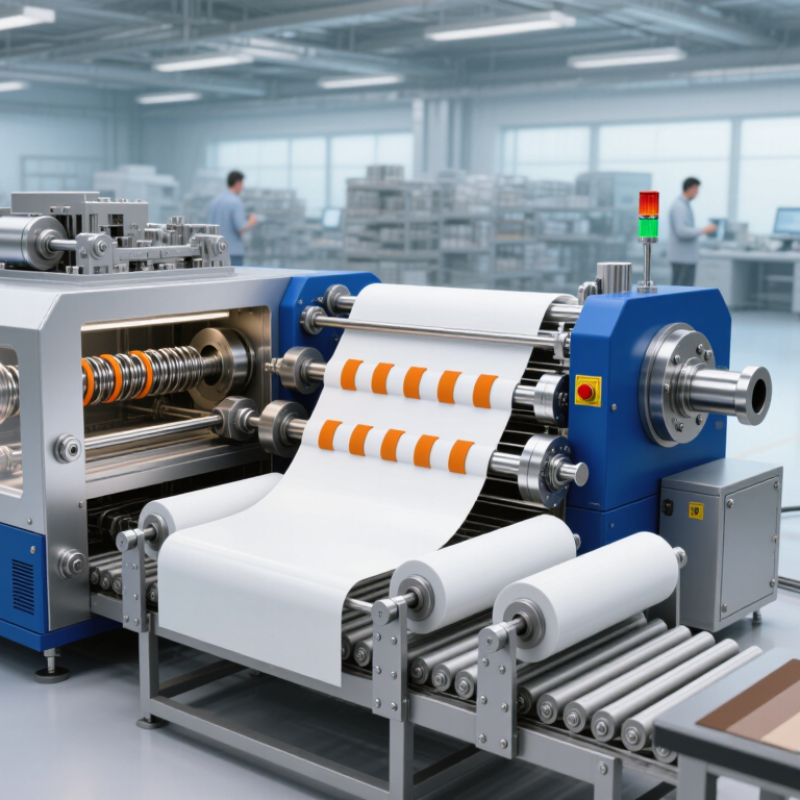
Table of Contents [Hide]
Defining Your Sheet Extrusion Requirements
Choosing the Best Sheet Extruder: Defining Your Sheet Extrusion Requirements
A suitable sheet extruder begins with the material, not the machine catalog. Identify the polymer, additives, moisture sensitivity, and expected recycled content. Different materials require different temperature stability and screw designs. Record the target sheet width, thickness range, and acceptable thickness variation. A 2-millimeter sheet needs tighter control than a protective liner.
Be specific about production demands. Measure kilograms per hour, operating hours, startup frequency, and planned expansion. Include the die type, cooling method, haul-off speed, and cutting system. In practical trials, uneven cooling can create more waste than a weak extruder. A stable melt temperature matters, but so does consistent pressure at the die.
Small details matter.
I once treated maximum output as the main selection criterion. That estimate was too optimistic because cleaning time and material changes reduced actual production. A realistic requirement should include these interruptions. Ask for documented test data, energy consumption, temperature accuracy, and thickness results using comparable materials. Check whether operators can adjust settings safely and whether maintenance access is practical. The best specification may still need revision after pilot testing, especially when additives or recycled materials behave differently than expected.