
- High-Performance Doors
-
- Applications
-
-
-
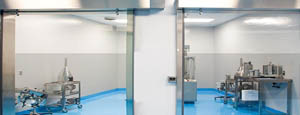
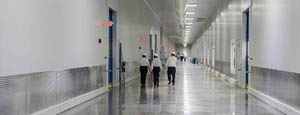
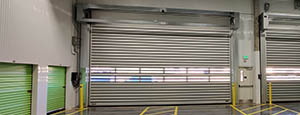
- Clean Room
Stainless steel or composite materials help maintain clean rooms.
-
-
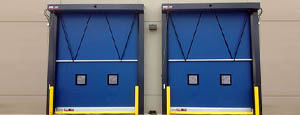
- Coolers
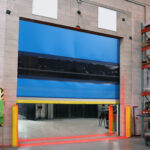
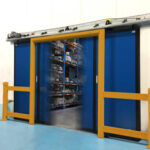
Quick opening speeds & tight seals for temperature control.
-
-
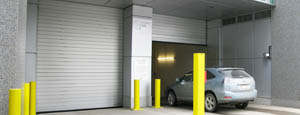
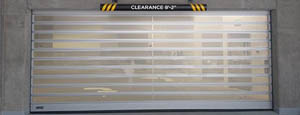
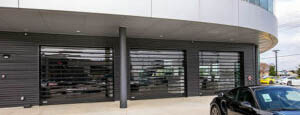
- Parking
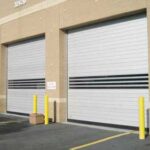
Improve security & traffic flow and enhance architectural style.
-
-
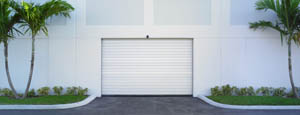
- Hurricane Zone
Withstand winds up to 175 mph and comply with the Florida Building Code.
-
-
-
-
- USDA / FDA / cGMP
Increase productivity & address stringent USDA, FDA & cGMP requirements.
-
-
- Freezers
High-speed & perimeter seals minimize the air exchange between areas.
-
-
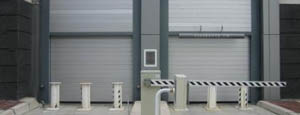
- Security
High speed & durability ensure secure access.
-
-
- Ventilation
Perforated or screen door panels allow improved air circulation.
-
-
-
-
- Fire Station Emergency Response
When time is of the essence, high speed and reliability are crucial.
-
-
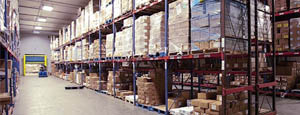
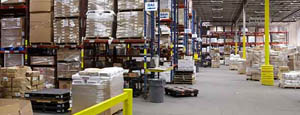
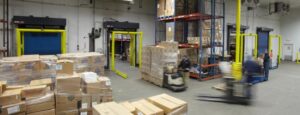
- Warehousing
Fast cycle times and secure seals keep environments separated.
-
-
- Loading Dock
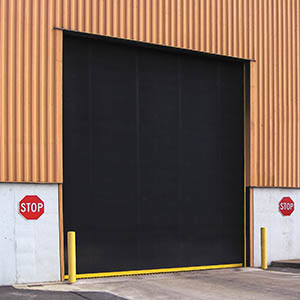
Rugged design & secure seal for oversized openings.
-
-
- Large Openings
Break-away functionality with rugged design seals oversized openings.
-
-
-
-
- Heavy Equipment
Withstands challenges of heavy equipment and fleet truck/car wash environments.
-
-
- Self-Storage
Fast opening speeds and reliable, durable construction keep facilities secure and protected.
-
-
- Industries
-
-
-
- Automotive Dealerships
Reduce energy costs, increase productivity and comfort and enhance customer perception.
-
-
- Cold Storage & Processing
Increase productivity and operational efficiency while reducing energy and maintenance costs.
-
-
- Parking
We offer solutions for Apartment / Condo & Loft, Standalone Parking Facilities and Office Buildings
-
-
-
-
- Food & Beverage
Doors specifically engineered for USDA/FDA and cGMP environments, and assured compliance for uncompromising performance.
-
-
- Mfg/Dist/Warehousing
A complete product line allows facilities to increase efficiency and safety and reduce maintenance and energy costs.
-
-
- Government
Ensure effective security and environmental controls are maintained for critical government operations.
-
-
-
-
- Transit
Keep operations running smoothly and efficient while reducing energy and maintenance costs.
-
-
- Pharma, Nutraceutical & Biotech
Doors that offer quick, secure access, environmental control and reliability for life science facilities.
-
-
- Support Resources
- Parts
- Contact Us
- Blog/News
- Why Rytec
- Sales Rep Locator
- Careers
- Dealers
- Architectural Resources




How to Choose the Best Prefabricated House?
Choosing the best Prefabricated House is not simply a matter of selecting the most attractive model. It requires careful decisions about climate, materials, transport, installation, maintenance, and long-term comfort. A house that looks impressive in a showroom may feel unsuitable on a windy site or a narrow urban plot. Real experience begins with the land.
Architect and prefab housing pioneer Michelle Kaufmann described the central idea clearly: “Prefab is not a style; it is a process.” Her observation remains valuable because prefabrication can support many designs, from compact studios to spacious family homes. The important question is not whether a house looks modern. It is whether the factory process improves quality, reduces waste, and delivers dependable performance.
This guide examines the practical details behind a confident choice. Readers will compare structural systems, insulation levels, energy efficiency, customization limits, delivery conditions, and installation responsibilities. Local building requirements also matter. A strong supplier should explain warranties, moisture protection, fire safety, and replacement procedures in plain language. Ask for completed project photos, not only polished computer images.
Small details can reveal major problems. Check window seals, roof drainage, floor transitions, and service access. Ask who repairs damage after transportation. Do not assume a higher price guarantees better construction. That assumption can fail. Some affordable models perform well, while expensive designs may hide weak after-sales support. Choosing wisely means balancing appearance, budget, evidence, and personal needs. There is no perfect Prefabricated House, only a better-informed decision.
Table of Contents [Hide]
Define Space, Climate, and Budget Requirements Before Comparing Models
How to Choose the Best Prefabricated House?
Before comparing models, define how the house must function. List daily occupants, sleeping areas, storage needs, and work spaces. Measure furniture, door clearances, and delivery access. A compact floor plan may look efficient online, yet feel cramped beside a full-size sofa. Leave room for future changes, too. Families often underestimate storage.
Climate should shape the structure, not merely the heating system. In cold regions, inspect insulation depth, window performance, roof design, and moisture control. Hot, humid areas need shading, cross-ventilation, and careful condensation management. Ask for documented energy data and installation guidance. Local building professionals can verify wind, snow, seismic, and drainage requirements. A specification sheet alone is not enough.
Set a realistic budget before reviewing attractive models. Include foundations, transport, permits, utility connections, site preparation, interior finishes, and contingencies. Keep a reserve for unexpected ground conditions. It is easy to compare the advertised house price and miss these costs. I once treated a simple site as “ready,” but access and drainage changed the estimate. That mistake remains useful: request itemized quotations and clarify exclusions in writing. A cheaper model may require expensive upgrades for your climate or lifestyle. Compare complete project costs, not showroom features.