
- High-Performance Doors
-
- Applications
-
-
-
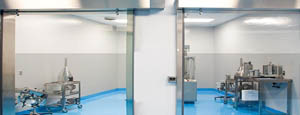
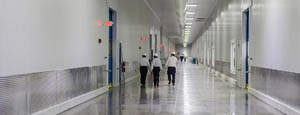
- Clean Room
Stainless steel or composite materials help maintain clean rooms.
-
-
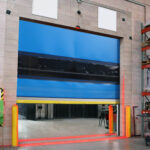
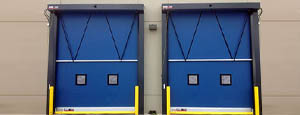
- Coolers
Quick opening speeds & tight seals for temperature control.
-
-
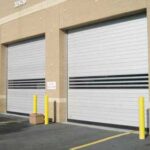
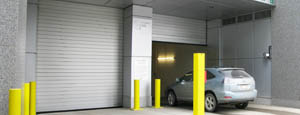
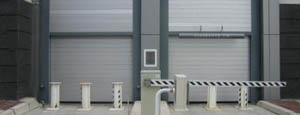
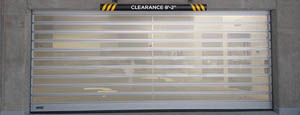
- Parking
Improve security & traffic flow and enhance architectural style.
-
-
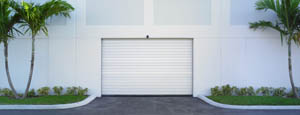
- Hurricane Zone
Withstand winds up to 175 mph and comply with the Florida Building Code.
-
-
-
-
- USDA / FDA / cGMP
Increase productivity & address stringent USDA, FDA & cGMP requirements.
-
-
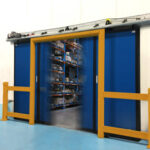
- Freezers
High-speed & perimeter seals minimize the air exchange between areas.
-
-
- Security
High speed & durability ensure secure access.
-
-
- Ventilation
Perforated or screen door panels allow improved air circulation.
-
-
-
-
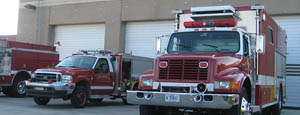
- Fire Station Emergency Response
When time is of the essence, high speed and reliability are crucial.
-
-
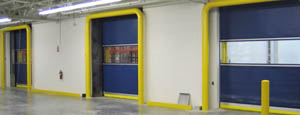
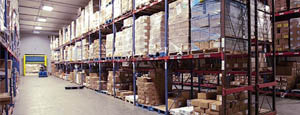
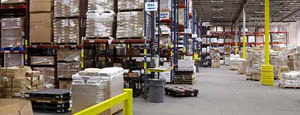
- Warehousing
Fast cycle times and secure seals keep environments separated.
-
-
- Loading Dock
Rugged design & secure seal for oversized openings.
-
-
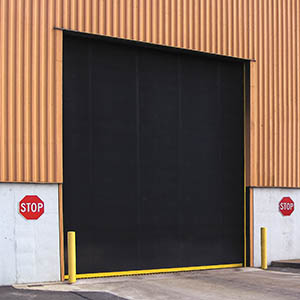
- Large Openings
Break-away functionality with rugged design seals oversized openings.
-
-
-
-
- Heavy Equipment
Withstands challenges of heavy equipment and fleet truck/car wash environments.
-
-
- Self-Storage
Fast opening speeds and reliable, durable construction keep facilities secure and protected.
-
-
- Industries
-
-
-
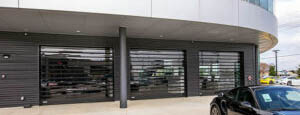
- Automotive Dealerships
Reduce energy costs, increase productivity and comfort and enhance customer perception.
-
-
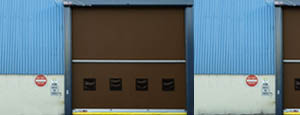
- Cold Storage & Processing
Increase productivity and operational efficiency while reducing energy and maintenance costs.
-
-
- Parking
We offer solutions for Apartment / Condo & Loft, Standalone Parking Facilities and Office Buildings
-
-
-
-
- Food & Beverage
Doors specifically engineered for USDA/FDA and cGMP environments, and assured compliance for uncompromising performance.
-
-
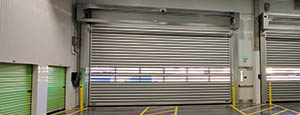
- Mfg/Dist/Warehousing
A complete product line allows facilities to increase efficiency and safety and reduce maintenance and energy costs.
-
-
- Government
Ensure effective security and environmental controls are maintained for critical government operations.
-
-
-
-
- Transit
Keep operations running smoothly and efficient while reducing energy and maintenance costs.
-
-
- Pharma, Nutraceutical & Biotech
Doors that offer quick, secure access, environmental control and reliability for life science facilities.
-
-
- Support Resources
- Parts
- Contact Us
- Blog/News
- Why Rytec
- Sales Rep Locator
- Careers
- Dealers
- Architectural Resources




How to Choose a Cold Storage Condensing Unit in 2026?
Choosing the right Cold Storage Condensing Unit in 2026 requires more than comparing cooling capacity and purchase prices. The unit must match the room’s temperature range, refrigerant requirements, operating schedule, and expected product load. A frozen-food facility faces different demands from a small dairy cooler or pharmaceutical storage room. Small errors matter.
In practical installations, I have seen oversized units cycle too frequently, while undersized systems run continuously during hot afternoons. Both problems increase energy use and shorten compressor life. Measure twice. Accurate heat-load calculations should include wall insulation, door openings, lighting, personnel, product pull-down, and ambient temperature. Manufacturers’ performance tables remain essential, especially when selecting equipment for high-condensing temperatures or low-temperature operation.
Reliable selection also depends on service access, control compatibility, noise limits, and spare-parts availability. A lower initial price can become expensive when technicians cannot reach the receiver, fan motor, or electrical panel. Efficiency ratings deserve attention, but they should be reviewed alongside actual operating conditions, not treated as universal promises. This guide examines the main technical and commercial factors buyers should evaluate in 2026, including refrigerant direction, electronic controls, variable-speed technology, and maintenance planning. Some assumptions may fail in unusual climates or highly customized facilities. That is why the final decision should be checked against the manufacturer’s data, qualified engineering advice, and applicable local safety requirements. A dependable system is not simply cold. It is stable, serviceable, efficient, and properly matched to the work.
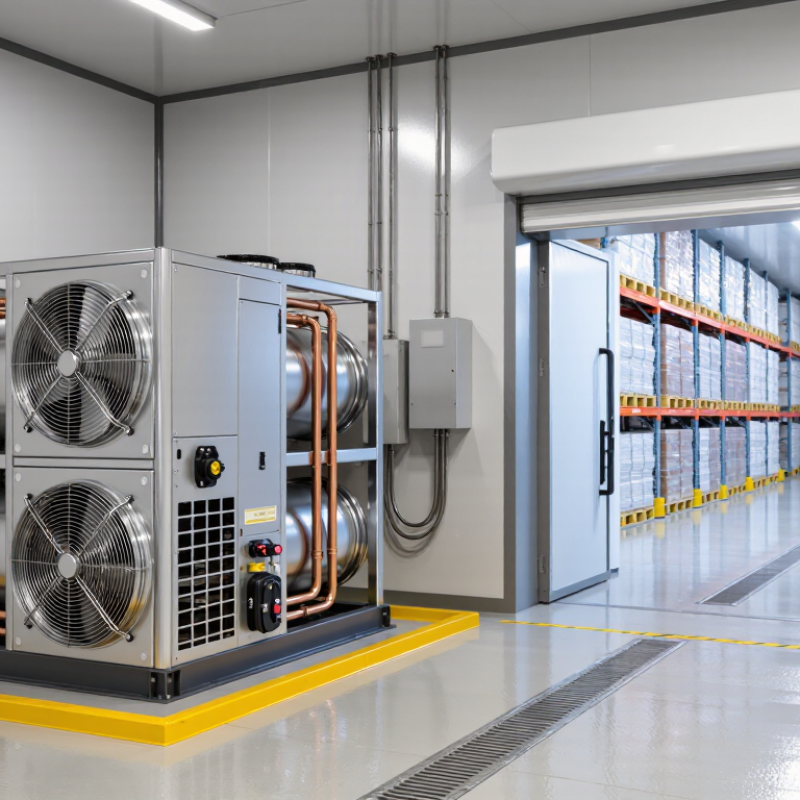
Table of Contents [Hide]
What Is a Cold Storage Condensing Unit?
A cold storage condensing unit is the refrigeration system’s heat-rejection engine. It usually includes a compressor, condenser, receiver, controls, and refrigerant connections. The compressor raises refrigerant pressure, while the condenser releases heat into surrounding air. The expansion device then lowers pressure before cooling begins inside the evaporator. In a warehouse, this unit protects product temperature, not just room temperature.
Choosing one in 2026 requires more than matching horsepower. Measure product load, door openings, pull-down time, ambient temperature, and required storage temperature. The FAO’s State of Food and Agriculture 2022 reported that 13.2% of food was lost between harvest and retail in 2021. Reliable cold storage can reduce part of that waste, but poor sizing creates new problems. An oversized unit may short-cycle. An undersized unit may run continuously. Energy performance also matters. The UNEP Cooling Emissions and Policy Synthesis Report 2023 warned that cooling demand could more than triple by 2050 under current trends.
Tips: Check the real design load, not the room’s empty volume. Confirm condenser airflow during the hottest local hours. Ask for measured capacity at your operating temperature. Review refrigerant compatibility, service access, alarm functions, and noise limits. Leave space for coil cleaning. Small details matter.
A practical mistake is trusting catalog capacity without checking site conditions. That approach looks efficient on paper. It can fail during peak summer loading. Record temperatures after commissioning, then adjust controls when evidence disagrees with the original calculation.
How to Choose a Cold Storage Condensing Unit in 2026? – What Is a Cold Storage Condensing Unit?
A cold storage condensing unit is the outdoor refrigeration assembly that normally includes a compressor, condenser, fan, receiver, controls, and related safety components. It rejects heat from the refrigeration system and supplies high-pressure liquid refrigerant to the expansion device. Use the following data as a preliminary selection guide; final sizing should be confirmed with a refrigeration engineer and the applicable local standards.
| Selection Area | Typical Requirement | Suitable Selection Guidance | Reference Data or Range | Important Notes |
|---|---|---|---|---|
| Application | Room temperature | Match the condensing unit to the required storage temperature rather than selecting only by room volume. | Chilled storage: approximately 0°C to 8°C Frozen storage: approximately −18°C to −25°C Deep-frozen storage: approximately −25°C to −30°C | The product temperature, pull-down time, and door-opening frequency affect the actual load. |
| Operating Conditions | Evaporating temperature | Choose a unit whose published capacity is rated at the design evaporating temperature. | Chilled rooms: commonly −10°C to −2°C Frozen rooms: commonly −35°C to −25°C | A lower evaporating temperature generally reduces compressor capacity and efficiency. |
| Cooling Capacity | Required refrigeration capacity | Calculate transmission, product, air infiltration, internal, defrost, and safety loads before selecting the unit. | Small cold rooms: often below 10 kW Medium cold rooms: commonly 10–50 kW Larger facilities: may require multiple units | These are broad project ranges, not a substitute for a heat-load calculation. |
| Heat Load | Product load | Include the mass of incoming goods, entering temperature, target temperature, and required cooling time. | Product load = product mass × specific heat × temperature change ÷ pull-down time | Product pull-down can be the largest load in food-processing and distribution applications. |
| Heat Load | Infiltration load | Account for door size, opening frequency, traffic, air curtains, vestibules, and the room’s air-exchange rate. | Higher traffic and frequent door opening require additional capacity. | Strip curtains and automatic doors can reduce warm, moist air infiltration. |
| Ambient Conditions | Outdoor design temperature | Select a condenser and fan assembly that can operate at the local summer design temperature. | Common design values: approximately 32°C to 40°C ambient Hot climates may require higher-rated equipment | High ambient temperature raises condensing pressure and can reduce capacity. |
| Compressor | Compressor type | Use reciprocating compressors for many small and medium systems; consider scroll, screw, or parallel systems when capacity and modulation requirements justify them. | Reciprocating: flexible and common for low-to-medium capacity Scroll: compact and efficient in suitable ranges Screw: suitable for larger continuous-duty systems | Confirm the compressor’s envelope, oil-return requirements, and minimum operating capacity. |
| Refrigerant | Refrigerant selection | Choose a refrigerant permitted by local regulations and compatible with the compressor, oil, valves, piping, and controls. | Common categories include HFC/HFO blends, hydrocarbons, carbon dioxide, and ammonia systems. | Check global-warming potential, flammability, toxicity, charge limits, and technician requirements. |
| Energy Efficiency | Efficiency at design conditions | Compare cooling capacity, input power, coefficient of performance, and seasonal performance at the same rating conditions. | COP = cooling capacity ÷ electrical input power | Do not compare efficiency values taken at different evaporating or condensing temperatures. |
| Condensation Control | Head-pressure control | Use fan-speed control, condenser flooding control, or another approved method where low ambient operation is expected. | Particularly relevant when outdoor temperatures fall below the normal design condition. | Stable head pressure helps maintain expansion-device performance during cold weather. |
| Defrost | Defrost method | Select off-cycle, electric, hot-gas, or water defrost according to room temperature, humidity, coil frosting, and system design. | Off-cycle: usually for chilled applications Electric or hot-gas: commonly used for low-temperature applications | Defrost heat and recovery time should be included in operating-cost and capacity evaluations. |
| Condenser | Condenser size and airflow | Provide adequate heat-rejection surface area and unobstructed airflow around the condenser. | Heat rejected is approximately equal to refrigeration capacity plus compressor power. | Dirty coils, recirculated air, and insufficient clearance can cause high-pressure trips. |
| Installation | Refrigerant piping | Size suction, liquid, and discharge lines for acceptable pressure drop, oil return, velocity, and total equivalent length. | Design must consider vertical lift, fittings, traps, insulation, and operating mode. | Incorrect piping can reduce capacity, increase noise, and damage the compressor. |
| Controls | Monitoring and protection | Include high- and low-pressure protection, overload protection, crankcase heating where required, temperature control, and alarm functions. | Optional functions may include remote monitoring, data logging, variable-speed control, and fault alarms. | Controls should be compatible with the evaporator, expansion device, defrost system, and building management system. |
| Electrical | Power supply | Verify voltage, phase, frequency, starting current, disconnect requirements, and local electrical-code compliance. | Common industrial supplies include single-phase or three-phase systems at region-specific voltages and frequencies. | The nameplate electrical data must match the actual site supply before installation. |
| Reliability | Duty and redundancy | Consider multiple smaller units, standby capacity, staged operation, and critical-temperature alarms for high-value or continuous-use storage. | Redundancy requirements depend on product value, allowable temperature rise, and recovery time. | A backup strategy can reduce the risk of product loss during maintenance or equipment failure. |
| Maintenance | Service access | Allow clear access to filters, coils, electrical panels, pressure controls, valves, and compressor service points. | Routine tasks include coil cleaning, electrical inspection, leak testing, oil checks where applicable, and control verification. | A serviceable layout can reduce downtime and improve long-term operating performance. |
| Final Verification | Selection checklist | Confirm capacity at the exact design condition, refrigerant compatibility, ambient rating, electrical data, noise limits, safety requirements, and service availability. | Required inputs: room dimensions, insulation, product load, door usage, design temperatures, ambient temperature, and operating schedule. | Final selection should be approved by a qualified refrigeration professional. |
Note: Temperature ranges and capacity bands shown here are general engineering references. Actual equipment selection depends on the complete system design, local climate, refrigerant regulations, installation conditions, and the manufacturer’s certified performance data.