
- High-Performance Doors
-
- Applications
-
-
-
- Clean Room
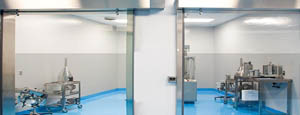
Stainless steel or composite materials help maintain clean rooms.
-
-
- Coolers
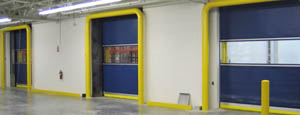
Quick opening speeds & tight seals for temperature control.
-
-
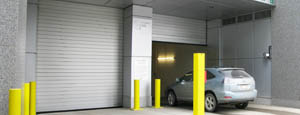
- Parking
Improve security & traffic flow and enhance architectural style.
-
-
- Hurricane Zone
Withstand winds up to 175 mph and comply with the Florida Building Code.
-
-
-
-
- USDA / FDA / cGMP
Increase productivity & address stringent USDA, FDA & cGMP requirements.
-
-
- Freezers
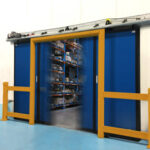
High-speed & perimeter seals minimize the air exchange between areas.
-
-
- Security
High speed & durability ensure secure access.
-
-
- Ventilation
Perforated or screen door panels allow improved air circulation.
-
-
-
-
- Fire Station Emergency Response
When time is of the essence, high speed and reliability are crucial.
-
-
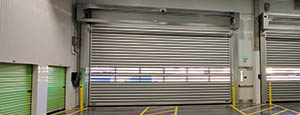
- Warehousing
Fast cycle times and secure seals keep environments separated.
-
-
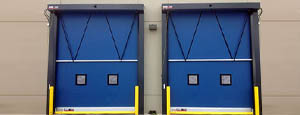
- Loading Dock
Rugged design & secure seal for oversized openings.
-
-
- Large Openings
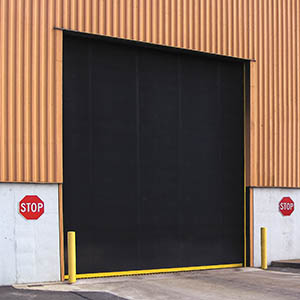
Break-away functionality with rugged design seals oversized openings.
-
-
-
-
- Heavy Equipment
Withstands challenges of heavy equipment and fleet truck/car wash environments.
-
-
- Self-Storage
Fast opening speeds and reliable, durable construction keep facilities secure and protected.
-
-
- Industries
-
-
-
- Automotive Dealerships
Reduce energy costs, increase productivity and comfort and enhance customer perception.
-
-
- Cold Storage & Processing
Increase productivity and operational efficiency while reducing energy and maintenance costs.
-
-
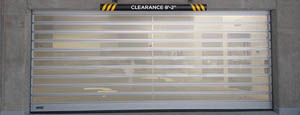
- Parking
We offer solutions for Apartment / Condo & Loft, Standalone Parking Facilities and Office Buildings
-
-
-
-
- Food & Beverage
Doors specifically engineered for USDA/FDA and cGMP environments, and assured compliance for uncompromising performance.
-
-
- Mfg/Dist/Warehousing
A complete product line allows facilities to increase efficiency and safety and reduce maintenance and energy costs.
-
-
- Government
Ensure effective security and environmental controls are maintained for critical government operations.
-
-
-
-
- Transit
Keep operations running smoothly and efficient while reducing energy and maintenance costs.
-
-
- Pharma, Nutraceutical & Biotech
Doors that offer quick, secure access, environmental control and reliability for life science facilities.
-
-
- Support Resources
- Parts
- Contact Us
- Blog/News
- Why Rytec
- Sales Rep Locator
- Careers
- Dealers
- Architectural Resources

















Ultimate Guide to Slide and Fold Techniques for Stunning Presentations
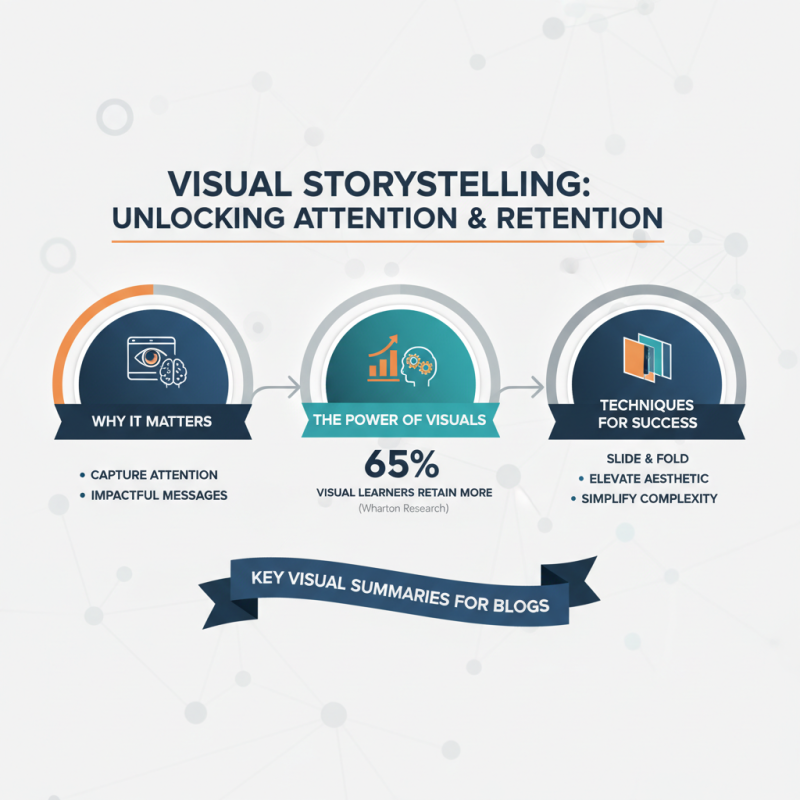
Creating a captivating presentation can significantly influence the impact of your message, making the difference between engagement and indifference. Among the plethora of techniques available to enhance visual storytelling, the "slide and fold" approach emerges as a powerful tool that combines dynamic movement with structured content. This technique not only elevates the aesthetic appeal of your slides but also encourages your audience to follow along with your narrative seamlessly.
In this ultimate guide, we will explore the intricacies of slide and fold techniques, offering insights into their practical application and how they can be adapted to various presentation styles and topics. By mastering these methods, you can craft presentations that not only captivate but also inform, helping to ensure that your key points resonate long after the audience has left the room. Whether you are a seasoned presenter or just starting your journey, embracing the slide and fold strategies will empower you to create stunning visual experiences that will leave a lasting impression.

Table of Contents
[Hide]
Understanding Slide and Fold Techniques in Presentation Design
In the realm of presentation design, mastering slide and fold techniques is crucial for creating visually engaging and effective presentations. According to a study by the National Training Laboratories, people retain approximately 70% of information when it is presented through visuals and action, compared to only 10% for text alone. This highlights the importance of incorporating dynamic design elements such as slide transitions and fold-outs, which not only capture audience attention but also enhance the retention of key messages.
The application of slide and fold techniques can transform mundane slides into interactive experiences that facilitate audience engagement. Research from the Institute for Business Excellence indicates that the use of visually rich presentations increases audience engagement by up to 60%. Techniques such as layering information through folds or using animated slide transitions add depth to the storytelling aspect of presentations, making complex data more digestible. By integrating these methods thoughtfully, designers can significantly improve comprehension and impact, ensuring that their presentations resonate with stakeholders and drive intended outcomes.
Ultimate Guide to Slide and Fold Techniques for Stunning Presentations
| Technique | Description | Benefits | Best Used For |
|---|---|---|---|
| Slide Transition | A method of moving between slides with visual effects. | Captivates audience, maintains engagement. | General presentations, storytelling. |
| Fold Animation | Visual effect that simulates folding and unfolding content. | Creates suspense, introduces new sections smoothly. | Product launches, detailed reports. |
| Image Overlay | Layering images with fades to create depth. | Enhances visual appeal, emphasizes key points. | Creative presentations, marketing pitches. |
| Text Reveal | Sequentially unveils text elements to maintain focus. | Keeps audience attention on key messages. | Lectures, training sessions. |
| Interactive Slides | Slides that allow audience interaction through polls or Q&A. | Boosts engagement, gathers feedback. | Workshops, seminars. |

Related Posts
-

Top 10 Folding Doors That Transform Your Space into a Stylish Haven
-

Revolutionize Your Living Space with Innovative Folding Sliding Doors Solutions
-

How to Choose the Best Remote Garage Door Opener for Your Home
-

Top 5 High Speed Doors for Efficient Industrial Operations
-

Top 5 Benefits of Installing Hurricane Impact Garage Doors for Your Home
-
Exploring the Benefits of Slide and Fold Techniques in Modern Architecture