
- High-Performance Doors
-
- Applications
-
-
-
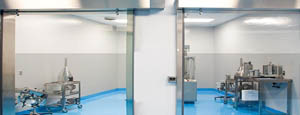
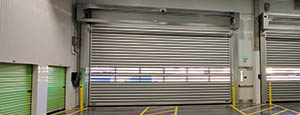
- Clean Room
Stainless steel or composite materials help maintain clean rooms.
-
-
- Coolers
Quick opening speeds & tight seals for temperature control.
-
-
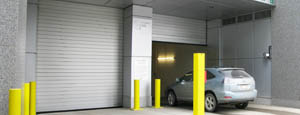
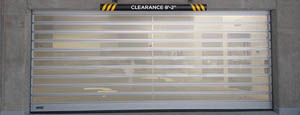
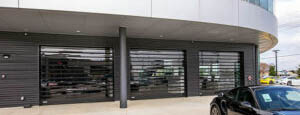
- Parking
Improve security & traffic flow and enhance architectural style.
-
-
- Hurricane Zone
Withstand winds up to 175 mph and comply with the Florida Building Code.
-
-
-
-
- USDA / FDA / cGMP
Increase productivity & address stringent USDA, FDA & cGMP requirements.
-
-
- Freezers
High-speed & perimeter seals minimize the air exchange between areas.
-
-
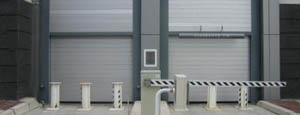
- Security
High speed & durability ensure secure access.
-
-
- Ventilation
Perforated or screen door panels allow improved air circulation.
-
-
-
-
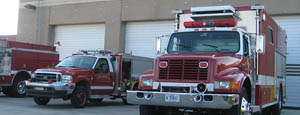
- Fire Station Emergency Response
When time is of the essence, high speed and reliability are crucial.
-
-
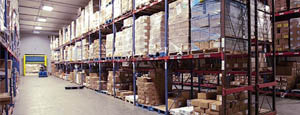
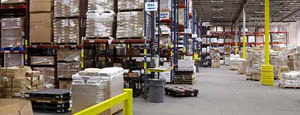
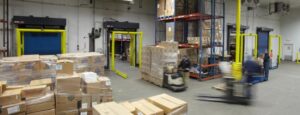
- Warehousing
Fast cycle times and secure seals keep environments separated.
-
-
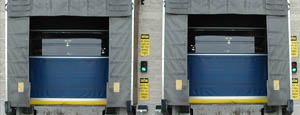
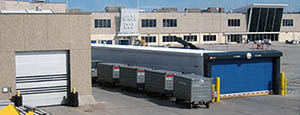
- Loading Dock
Rugged design & secure seal for oversized openings.
-
-
- Large Openings
Break-away functionality with rugged design seals oversized openings.
-
-
-
-
- Heavy Equipment
Withstands challenges of heavy equipment and fleet truck/car wash environments.
-
-
- Self-Storage
Fast opening speeds and reliable, durable construction keep facilities secure and protected.
-
-
- Industries
-
-
-
- Automotive Dealerships
Reduce energy costs, increase productivity and comfort and enhance customer perception.
-
-
- Cold Storage & Processing
Increase productivity and operational efficiency while reducing energy and maintenance costs.
-
-
- Parking
We offer solutions for Apartment / Condo & Loft, Standalone Parking Facilities and Office Buildings
-
-
-
-
- Food & Beverage
Doors specifically engineered for USDA/FDA and cGMP environments, and assured compliance for uncompromising performance.
-
-
- Mfg/Dist/Warehousing
A complete product line allows facilities to increase efficiency and safety and reduce maintenance and energy costs.
-
-
- Government
Ensure effective security and environmental controls are maintained for critical government operations.
-
-
-
-
- Transit
Keep operations running smoothly and efficient while reducing energy and maintenance costs.
-
-
- Pharma, Nutraceutical & Biotech
Doors that offer quick, secure access, environmental control and reliability for life science facilities.
-
-
- Support Resources
- Parts
- Contact Us
- Blog/News
- Why Rytec
- Sales Rep Locator
- Careers
- Dealers
- Architectural Resources






What Is a Ground Bus Bar and What Is It Used For?
When electrical current needs a safe path to earth, a Ground Bus Bar provides a central connection point. Usually made from copper or tinned copper, it sits inside a panel, switchboard, or grounding enclosure. Short, properly sized conductors connect equipment grounding wires to this bar. That arrangement makes grounding paths easier to inspect, test, and maintain.
A Ground Bus Bar helps bond metal enclosures, cable trays, service equipment, and other conductive parts. During a fault, it can help carry unwanted current toward the grounding system, supporting protective devices such as breakers. It also reduces confusion by gathering connections in one visible location. However, it does not replace system design, bonding rules, or qualified inspection. The exact setup depends on local electrical codes, system type, and manufacturer instructions.
In practical work, details matter. A loose lug, painted mounting surface, or undersized conductor can weaken the connection. Technicians often check torque, continuity, corrosion, and labels before energizing equipment. Not every bar is interchangeable. Some installations require isolated neutral and ground bars; others do not. This distinction is easy to overlook. I should be careful here: a bus bar may look simple, but its safety depends on the entire grounding and bonding network. This guide explores its purpose, common applications, selection factors, and installation considerations through established electrical practice and verified product information. When uncertainty remains, a licensed electrician should review the design.
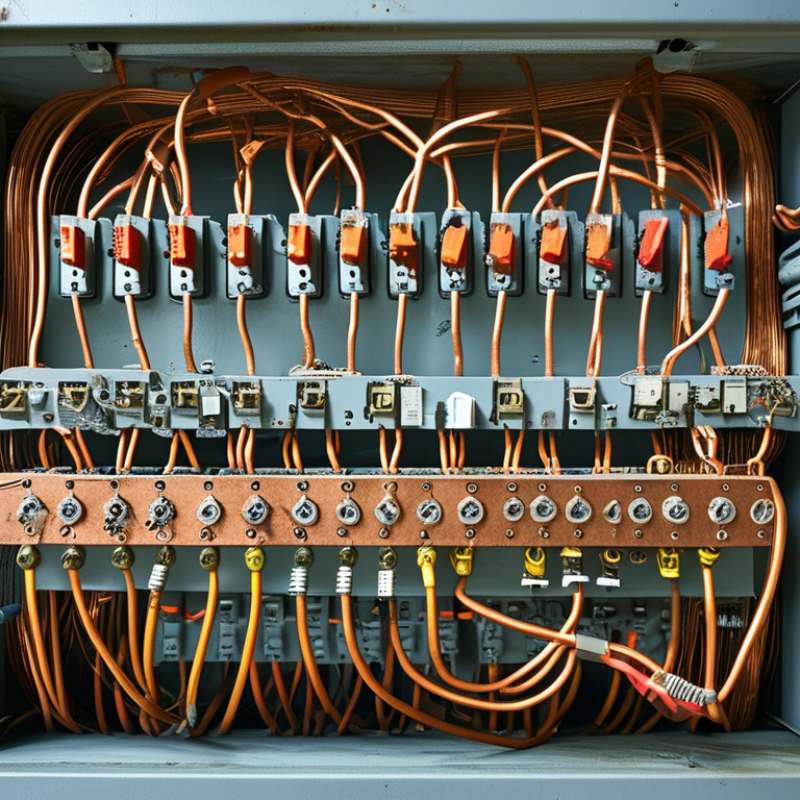
Table of Contents [Hide]
What Is a Ground Bus Bar?
A ground bus bar is a conductive metal strip used to collect and distribute grounding connections. It is usually installed inside an electrical panel, service enclosure, or equipment cabinet. Individual grounding wires attach to the bar through labeled screw terminals. The bar then connects to the grounding electrode system or another approved grounding point.
Its purpose is practical and protective. During a fault, unwanted electrical current needs a low-resistance path back to the source. A properly connected ground bus bar helps protective devices respond quickly. It also keeps several grounding conductors organized, visible, and easier to inspect. In a workshop panel, for example, green or bare copper wires may enter from lighting circuits, receptacles, and metal equipment. Each wire should have a secure termination, with no loose strands beneath the clamp.
Details matter here. The bar must match the enclosure, conductor size, and applicable electrical rules. In some panels, grounding and neutral conductors must remain separated. In service equipment, their arrangement can differ. This is where casual assumptions become dangerous. I have seen installations that looked tidy but had an incorrect bonding connection. Appearance alone proves little. A qualified electrician should verify continuity, torque, bonding, and local code requirements with suitable testing equipment. Even a small labeling error can make later maintenance slower and less reliable. A ground bus bar is simple hardware, but its safety function depends on the entire grounding system.