
- High-Performance Doors
-
- Applications
-
-
-
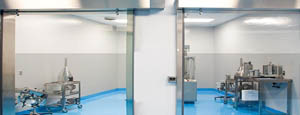
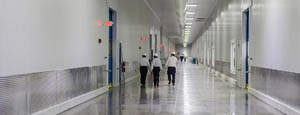
- Clean Room
Stainless steel or composite materials help maintain clean rooms.
-
-
- Coolers
Quick opening speeds & tight seals for temperature control.
-
-
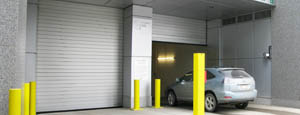
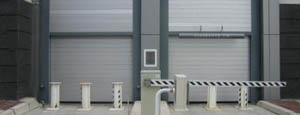
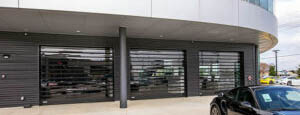
- Parking
Improve security & traffic flow and enhance architectural style.
-
-
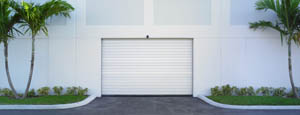
- Hurricane Zone
Withstand winds up to 175 mph and comply with the Florida Building Code.
-
-
-
-
- USDA / FDA / cGMP
Increase productivity & address stringent USDA, FDA & cGMP requirements.
-
-
- Freezers
High-speed & perimeter seals minimize the air exchange between areas.
-
-
- Security
High speed & durability ensure secure access.
-
-
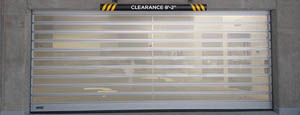
- Ventilation
Perforated or screen door panels allow improved air circulation.
-
-
-
-
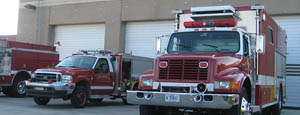
- Fire Station Emergency Response
When time is of the essence, high speed and reliability are crucial.
-
-
- Warehousing
Fast cycle times and secure seals keep environments separated.
-
-
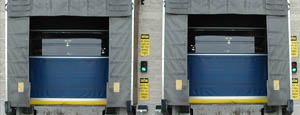
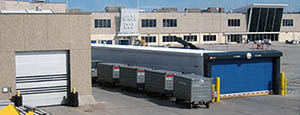
- Loading Dock
Rugged design & secure seal for oversized openings.
-
-
- Large Openings
Break-away functionality with rugged design seals oversized openings.
-
-
-
-
- Heavy Equipment
Withstands challenges of heavy equipment and fleet truck/car wash environments.
-
-
- Self-Storage
Fast opening speeds and reliable, durable construction keep facilities secure and protected.
-
-
- Industries
-
-
-
- Automotive Dealerships
Reduce energy costs, increase productivity and comfort and enhance customer perception.
-
-
- Cold Storage & Processing
Increase productivity and operational efficiency while reducing energy and maintenance costs.
-
-
- Parking
We offer solutions for Apartment / Condo & Loft, Standalone Parking Facilities and Office Buildings
-
-
-
-
- Food & Beverage
Doors specifically engineered for USDA/FDA and cGMP environments, and assured compliance for uncompromising performance.
-
-
- Mfg/Dist/Warehousing
A complete product line allows facilities to increase efficiency and safety and reduce maintenance and energy costs.
-
-
- Government
Ensure effective security and environmental controls are maintained for critical government operations.
-
-
-
-
- Transit
Keep operations running smoothly and efficient while reducing energy and maintenance costs.
-
-
- Pharma, Nutraceutical & Biotech
Doors that offer quick, secure access, environmental control and reliability for life science facilities.
-
-
- Support Resources
- Parts
- Contact Us
- Blog/News
- Why Rytec
- Sales Rep Locator
- Careers
- Dealers
- Architectural Resources








How to Determine the Breaking Capacity of an RCD?
Determining the Breaking Capacity of an RCD is crucial for safety and efficiency. An RCD, or Residual Current Device, plays a vital role in preventing electrical shock and fire hazards. Understanding the Breaking Capacity Of Rcd is essential for both homeowners and professionals. This capacity defines the maximum fault current the device can interrupt without failure.
Many people rely on basic knowledge about RCDs, but this can lead to dangerous oversights. The breaking capacity of an RCD varies based on its design and application. Selecting the right one requires evaluating specific electrical needs, such as load types and environmental factors. Even minor errors in this selection process can have serious repercussions.
In practice, it’s common for users to underestimate the importance of this factor. Relying on generic information can be misleading. Experts recommend consulting detailed specifications and manufacturers' guidelines before installation. This understanding reduces risks and enhances the reliability of electrical systems. Always remember, knowledge is power, especially when it comes to electrical safety.
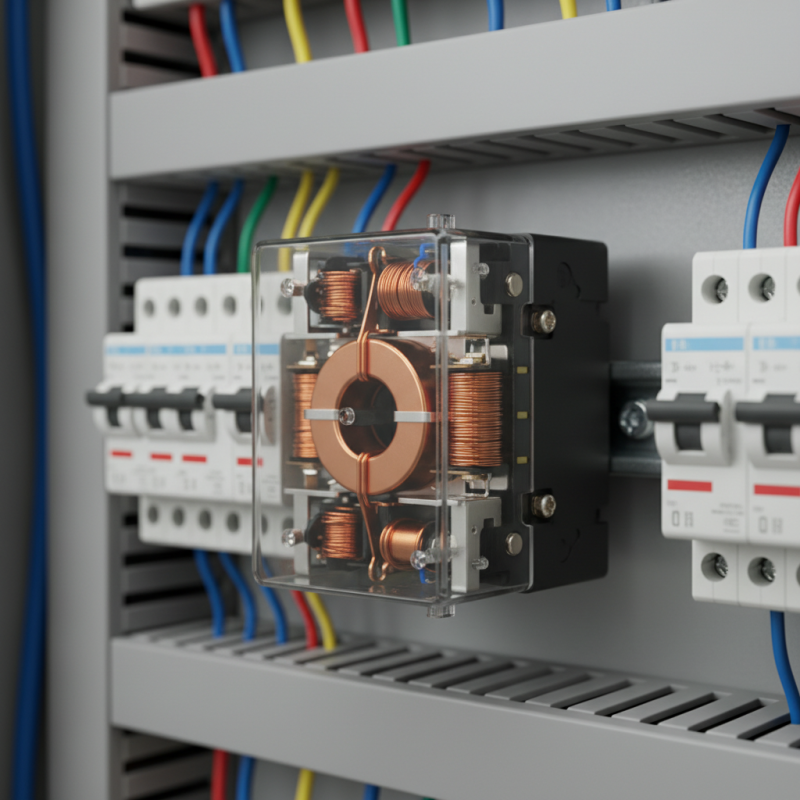
Table of Contents [Hide]
Understanding RCD Breaking Capacity: An Overview
Understanding the breaking capacity of Residual Current Devices (RCDs) is crucial. This measurement indicates the maximum fault current an RCD can interrupt without failing. According to the International Electrotechnical Commission (IEC), RCDs should ideally have a breaking capacity that exceeds 6kA. However, many installations still use devices rated lower than this benchmark, creating potential risks.
Different applications require varying breaking capacities. In residential settings, RCDs with a breaking capacity of 3-5kA may suffice. Yet, for industrial environments, where higher fault currents can occur, devices rated above 10kA are advisable. This discrepancy highlights a gap in understanding. A recent survey revealed that over 30% of installations in commercial buildings used RCDs with inadequate breaking capacities.
Inspection and assessment practices are often overlooked. Regular audits should include checking the RCD’s specifications. Many professionals rely solely on manufacturer recommendations. However, data suggests that practical test results often unveil discrepancies. Industry reports indicate frequent mismatches between expected and actual performance, pointing to a need for consistent reevaluation of RCD installations. Understanding these dynamics is essential for safety.