
- High-Performance Doors
-
- Applications
-
-
-
- Clean Room
Stainless steel or composite materials help maintain clean rooms.
-
-
- Coolers
Quick opening speeds & tight seals for temperature control.
-
-
- Parking
Improve security & traffic flow and enhance architectural style.
-
-
- Hurricane Zone
Withstand winds up to 175 mph and comply with the Florida Building Code.
-
-
-
-
- USDA / FDA / cGMP
Increase productivity & address stringent USDA, FDA & cGMP requirements.
-
-
- Freezers
High-speed & perimeter seals minimize the air exchange between areas.
-
-
- Security
High speed & durability ensure secure access.
-
-
- Ventilation
Perforated or screen door panels allow improved air circulation.
-
-
-
-
- Fire Station Emergency Response
When time is of the essence, high speed and reliability are crucial.
-
-
- Warehousing
Fast cycle times and secure seals keep environments separated.
-
-
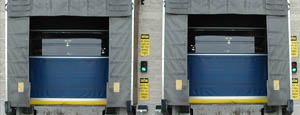
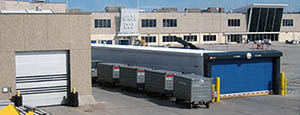
- Loading Dock
Rugged design & secure seal for oversized openings.
-
-
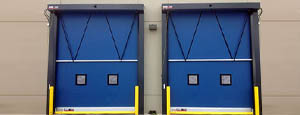
- Large Openings
Break-away functionality with rugged design seals oversized openings.
-
-
-
-
- Heavy Equipment
Withstands challenges of heavy equipment and fleet truck/car wash environments.
-
-
- Self-Storage
Fast opening speeds and reliable, durable construction keep facilities secure and protected.
-
-
- Industries
-
-
-
- Automotive Dealerships
Reduce energy costs, increase productivity and comfort and enhance customer perception.
-
-
- Cold Storage & Processing
Increase productivity and operational efficiency while reducing energy and maintenance costs.
-
-
- Parking
We offer solutions for Apartment / Condo & Loft, Standalone Parking Facilities and Office Buildings
-
-
-
-
- Food & Beverage
Doors specifically engineered for USDA/FDA and cGMP environments, and assured compliance for uncompromising performance.
-
-
- Mfg/Dist/Warehousing
A complete product line allows facilities to increase efficiency and safety and reduce maintenance and energy costs.
-
-
- Government
Ensure effective security and environmental controls are maintained for critical government operations.
-
-
-
-
- Transit
Keep operations running smoothly and efficient while reducing energy and maintenance costs.
-
-
- Pharma, Nutraceutical & Biotech
Doors that offer quick, secure access, environmental control and reliability for life science facilities.
-
-
- Support Resources
- Parts
- Contact Us
- Blog/News
- Why Rytec
- Sales Rep Locator
- Careers
- Dealers
- Architectural Resources













Top Desulfurization Equipment Trends at 2026 Canton Fair?
The 2026 Canton Fair is poised to showcase significant trends in Desulfurization Equipment. Experts predict that advancements will focus on efficiency and sustainability. Dr. Emily Zhang, a noted authority in environmental engineering, stated, "The future of Desulfurization Equipment lies in optimizing performance while reducing emissions."
This year's event will take place in three phases, highlighting advanced manufacturing and new materials. Innovative technologies will be at the forefront, reshaping industry standards. With over 1.5 million square meters of exhibition space, navigating this vast area efficiently becomes critical. AI-driven tools will aid in finding qualified suppliers meeting ISO and CE standards.
However, challenges remain. As technology evolves, the need for regulatory compliance increases. Companies must adapt swiftly to changing market demands. The pursuit of greener solutions in Desulfurization Equipment reflects a growing responsibility towards the environment. Yet, the balance between innovation and regulation must be carefully managed.

Table of Contents [Hide]
Emerging Technologies in Desulfurization Equipment for 2026
As the 2026 Canton Fair approaches, the focus on desulfurization equipment continues to grow. Emerging technologies are making waves. Reports indicate that the global desulfurization market is projected to reach $30 billion by 2025, driven by increasing environmental regulations. Enhanced efficiency in flue gas desulfurization systems is a key trend. New methods are paving the way for reduced emissions.
One technology gaining attention is membrane separation. This approach promises higher purity and lower operational costs. In addition, advanced catalysts are being developed to optimize chemical reactions. According to industry forecasts, this shift could lead to a 25% improvement in efficiency over traditional methods. However, the implementation of these technologies has challenges. The initial investment can be considerable. Research suggests a possible pushback from smaller companies unable to afford such innovations.
Another area of interest is the integration of artificial intelligence. AI can enhance monitoring and predictive maintenance of desulfurization equipment. A recent study highlights a 15% reduction in downtime when utilizing AI tools. Yet, the reliance on technology raises concerns about data security and system vulnerabilities. Industry experts note the necessity of addressing these issues as part of technology adoption. Overall, the trend in desulfurization points towards a future filled with promise and uncertainty.
Top Desulfurization Equipment Trends at 2026 Canton Fair
| Trend | Description | Technology | Pros | Cons |
|---|---|---|---|---|
| Advanced Sorbents | Utilization of novel sorbent materials that enhance the desulfurization process. | Chemical adsorption | Higher efficiency and lower operational costs. | Potential risk of sorbent regeneration issues. |
| Membrane Technology | Implementation of membrane filtration systems for gas separation. | Membrane separation | Compact design and energy-efficient. | Higher initial investment required. |
| Biotechnological Methods | Using microorganisms to reduce sulfur content in fuels. | Bioremediation | Environmentally friendly and sustainable. | Potentially slower process rates. |
| Electrochemical Desulfurization | Use of electric current to facilitate sulfur removal. | Electrochemical processes | High effectiveness in removing sulfur compounds. | Technology still in early stages of development. |