
- High-Performance Doors
-
- Applications
-
-
-
- Clean Room
Stainless steel or composite materials help maintain clean rooms.
-
-
- Coolers
Quick opening speeds & tight seals for temperature control.
-
-
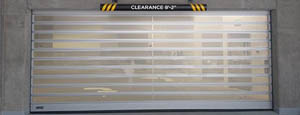
- Parking
Improve security & traffic flow and enhance architectural style.
-
-
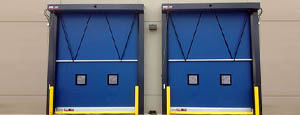
- Hurricane Zone
Withstand winds up to 175 mph and comply with the Florida Building Code.
-
-
-
-
- USDA / FDA / cGMP
Increase productivity & address stringent USDA, FDA & cGMP requirements.
-
-
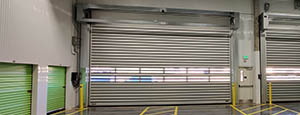
- Freezers
High-speed & perimeter seals minimize the air exchange between areas.
-
-
- Security
High speed & durability ensure secure access.
-
-
- Ventilation
Perforated or screen door panels allow improved air circulation.
-
-
-
-
- Fire Station Emergency Response
When time is of the essence, high speed and reliability are crucial.
-
-
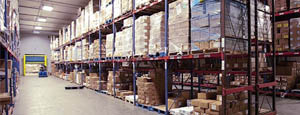
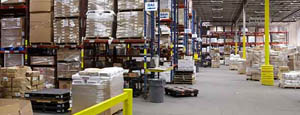
- Warehousing
Fast cycle times and secure seals keep environments separated.
-
-
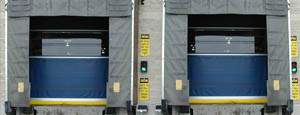
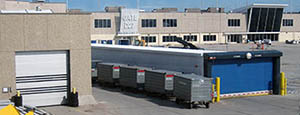
- Loading Dock
Rugged design & secure seal for oversized openings.
-
-
- Large Openings
Break-away functionality with rugged design seals oversized openings.
-
-
-
-
- Heavy Equipment
Withstands challenges of heavy equipment and fleet truck/car wash environments.
-
-
- Self-Storage
Fast opening speeds and reliable, durable construction keep facilities secure and protected.
-
-
- Industries
-
-
-
- Automotive Dealerships
Reduce energy costs, increase productivity and comfort and enhance customer perception.
-
-
- Cold Storage & Processing
Increase productivity and operational efficiency while reducing energy and maintenance costs.
-
-
- Parking
We offer solutions for Apartment / Condo & Loft, Standalone Parking Facilities and Office Buildings
-
-
-
-
- Food & Beverage
Doors specifically engineered for USDA/FDA and cGMP environments, and assured compliance for uncompromising performance.
-
-
- Mfg/Dist/Warehousing
A complete product line allows facilities to increase efficiency and safety and reduce maintenance and energy costs.
-
-
- Government
Ensure effective security and environmental controls are maintained for critical government operations.
-
-
-
-
- Transit
Keep operations running smoothly and efficient while reducing energy and maintenance costs.
-
-
- Pharma, Nutraceutical & Biotech
Doors that offer quick, secure access, environmental control and reliability for life science facilities.
-
-
- Support Resources
- Parts
- Contact Us
- Blog/News
- Why Rytec
- Sales Rep Locator
- Careers
- Dealers
- Architectural Resources















10 Coffee Pouch Packaging Tips for Global Buyers
Coffee packaging has a practical job: protect aroma, resist moisture, and arrive intact after a long journey. The International Coffee Organization’s Coffee Report and Outlook, published in December 2023, estimated global coffee consumption at 177 million 60-kilogram bags for 2023/24. That scale makes packaging choices commercially important. It does not mean every buyer needs the same pouch.
Consumer demand also keeps the category moving. The National Coffee Association’s 2024 National Coffee Data Trends report found that 67% of U.S. adults had consumed coffee the previous day. That is one country, not the whole world. Still, it signals why brands scrutinize freshness, shelf appeal, and ease of use. A Coffee Pouch must fit the coffee, the filling line, and the route to market—not just look good in a product mock-up.
Small details matter. A zipper can help consumers reseal an opened pack; a one-way valve may help release gas from freshly roasted beans. Barrier performance, seal quality, pouch dimensions, and material choices also deserve careful review. Yet a neat specification sheet cannot predict every handling condition. Humidity, heat, transport delays, and storage practices vary between markets. There is no universal pouch. This guide shares ten practical checks for global buyers, while recognizing that the right choice depends on product testing, supplier evidence, and the realities of each supply chain.
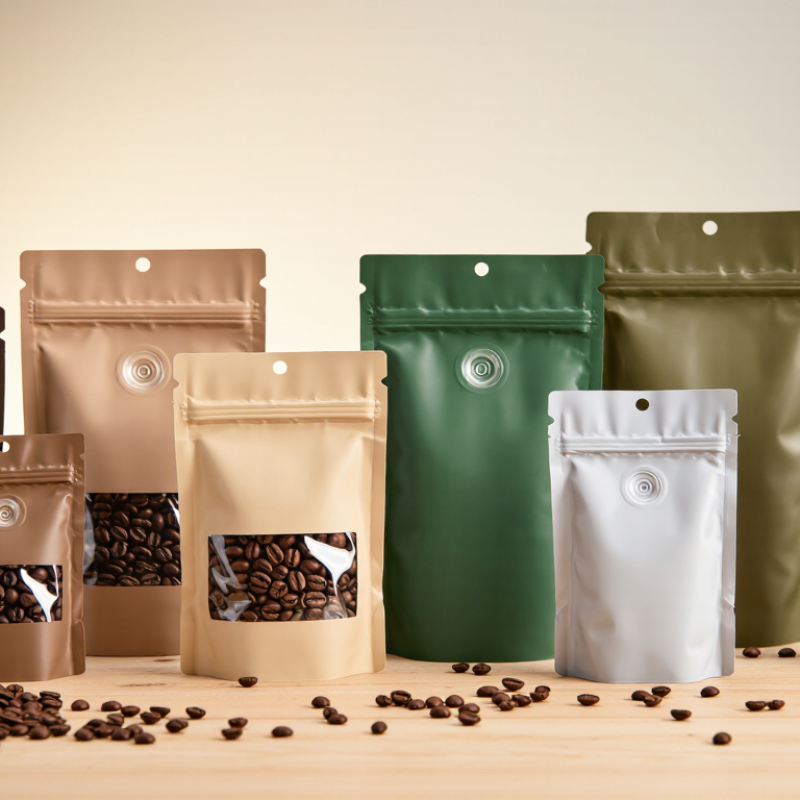
Table of Contents [Hide]
Define Roast, Grind, and 250 g–1 kg Pack Formats by Market
Coffee preferences vary by market, so define the roast and grind before choosing a pouch size. Use clear terms such as light, medium, or dark, and state whether the coffee is whole bean or ground. Add a roast date and a concise flavor description where space allows. Small labels matter.
Grind size should match the brewing methods buyers actually use. A coarse grind may suit French press, while a finer grind may work for espresso. These terms can be interpreted differently across markets, so confirm them with local importers or roasters. Send samples before approving a large production run. A neat specification can still miss what local customers expect.
For retail, 250 g pouches can offer a manageable trial size, while 500 g may suit regular household use. One-kilogram packs often fit cafés, offices, or other higher-volume buyers, but not every market prefers them. Check shelf dimensions, expected turnover, and shipping costs alongside coffee preferences. Ask buyers to compare pack sizes with real purchasing habits, not assumptions. The first choice may be wrong; revise it using feedback.