
- High-Performance Doors
-
- Applications
-
-
-
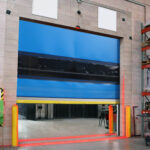
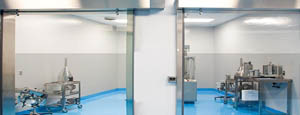
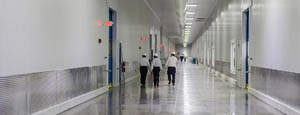
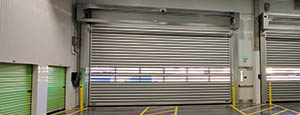
- Clean Room
Stainless steel or composite materials help maintain clean rooms.
-
-
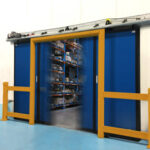
- Coolers
Quick opening speeds & tight seals for temperature control.
-
-
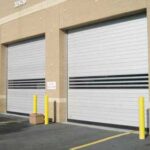
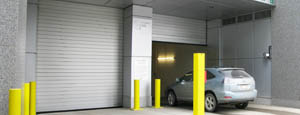
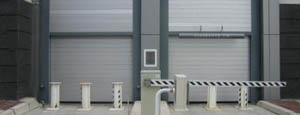
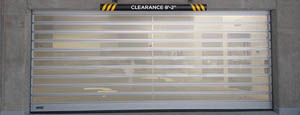
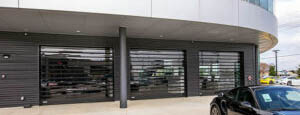
- Parking
Improve security & traffic flow and enhance architectural style.
-
-
- Hurricane Zone
Withstand winds up to 175 mph and comply with the Florida Building Code.
-
-
-
-
- USDA / FDA / cGMP
Increase productivity & address stringent USDA, FDA & cGMP requirements.
-
-
- Freezers
High-speed & perimeter seals minimize the air exchange between areas.
-
-
- Security
High speed & durability ensure secure access.
-
-
- Ventilation
Perforated or screen door panels allow improved air circulation.
-
-
-
-
- Fire Station Emergency Response
When time is of the essence, high speed and reliability are crucial.
-
-
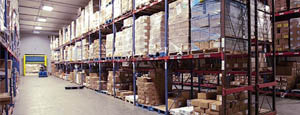
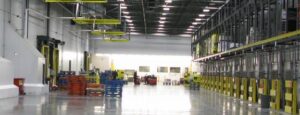
- Warehousing
Fast cycle times and secure seals keep environments separated.
-
-
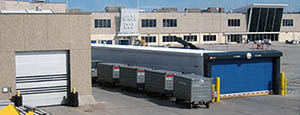
- Loading Dock
Rugged design & secure seal for oversized openings.
-
-
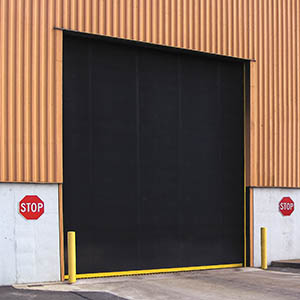
- Large Openings
Break-away functionality with rugged design seals oversized openings.
-
-
-
-
- Heavy Equipment
Withstands challenges of heavy equipment and fleet truck/car wash environments.
-
-
- Self-Storage
Fast opening speeds and reliable, durable construction keep facilities secure and protected.
-
-
- Industries
-
-
-
- Automotive Dealerships
Reduce energy costs, increase productivity and comfort and enhance customer perception.
-
-
- Cold Storage & Processing
Increase productivity and operational efficiency while reducing energy and maintenance costs.
-
-
- Parking
We offer solutions for Apartment / Condo & Loft, Standalone Parking Facilities and Office Buildings
-
-
-
-
- Food & Beverage
Doors specifically engineered for USDA/FDA and cGMP environments, and assured compliance for uncompromising performance.
-
-
- Mfg/Dist/Warehousing
A complete product line allows facilities to increase efficiency and safety and reduce maintenance and energy costs.
-
-
- Government
Ensure effective security and environmental controls are maintained for critical government operations.
-
-
-
-
- Transit
Keep operations running smoothly and efficient while reducing energy and maintenance costs.
-
-
- Pharma, Nutraceutical & Biotech
Doors that offer quick, secure access, environmental control and reliability for life science facilities.
-
-
- Support Resources
- Parts
- Contact Us
- Blog/News
- Why Rytec
- Sales Rep Locator
- Careers
- Dealers
- Architectural Resources






How to Choose Turnkey Cleanroom Solutions in 2026?
Choosing turnkey cleanroom solutions in 2026 requires more than comparing project prices. It demands a clear understanding of process risks, product sensitivity, and future production goals. A reliable supplier should connect design, construction, equipment, testing, and documentation into one controlled plan. That sounds simple. It rarely is.
Real project experience shows where decisions become difficult. A poorly placed gowning airlock can interrupt personnel flow. Weak pressure control may disturb a Grade A or ISO-classified zone. Even a bright, modern room can fail if HEPA filters, sensors, and maintenance access were considered too late. Buyers should examine airflow studies, material choices, commissioning records, and environmental monitoring strategies. ISO 14644 guidance can support classification decisions, while applicable GMP expectations and local requirements must guide regulated facilities.
The strongest providers explain their assumptions before offering a final proposal. They should demonstrate qualified engineers, documented testing methods, trained installation teams, and responsive after-sales support. Ask how they handle temperature drift, alarm failures, spare parts, and future expansion. These details reveal operational maturity. Certification alone is not enough. A supplier may present impressive drawings yet overlook cleaning ergonomics or operator fatigue. That risk deserves honest discussion.
This guide explores practical criteria for selecting turnkey cleanroom solutions with confidence. It considers lifecycle cost, validation readiness, energy performance, digital monitoring, and supplier accountability. The right choice may not be the cheapest or fastest. It should be measurable, maintainable, and suitable for real work. A careful decision today can protect product quality, staff safety, and investment throughout the facility’s operating life.
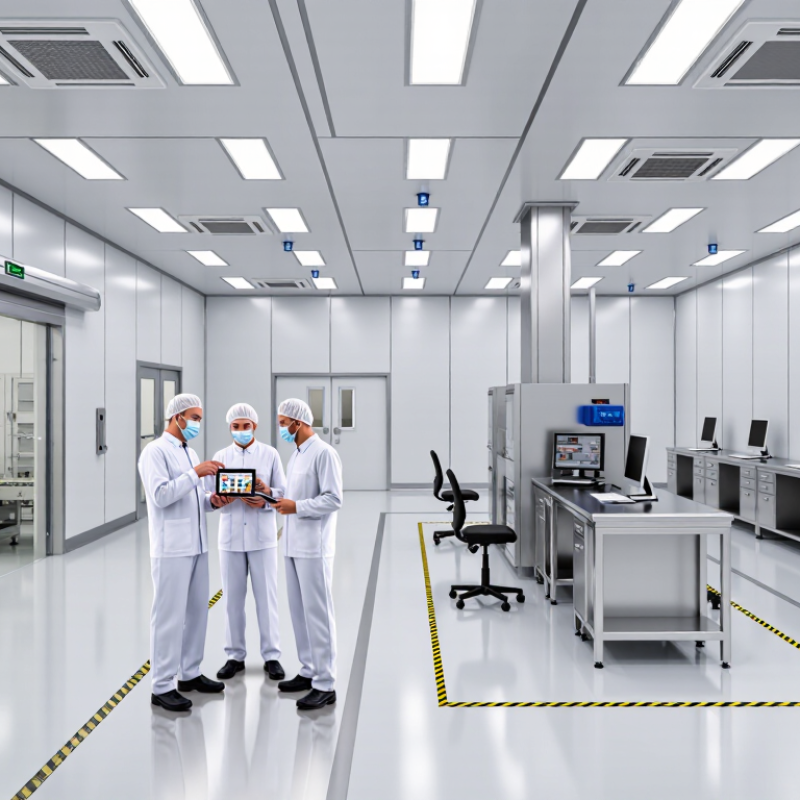
Table of Contents [Hide]
Define Turnkey Cleanroom Solutions and Their Core Components
Turnkey cleanroom solutions are integrated projects delivered from initial planning to operational handover.
One provider coordinates design, construction, equipment, testing, and staff training. The client receives a controlled environment ready for validated use. That means control. In 2026, this approach can reduce coordination gaps between architects, engineers, installers, and quality teams.
The core components begin with risk-based room design.
Airflow patterns, pressure differences, temperature, humidity, and particle limits must match the process. The package may include wall and ceiling panels, sealed flooring, doors, lighting, filtration units, monitoring sensors, and utility connections.
Control systems record conditions continuously and support alarm management. Proper commissioning then verifies airflow, recovery time, cleanliness, and system performance. Details matter.
A reliable supplier should provide clear specifications, traceable test records, maintenance plans, and documented change control. Site experience is valuable because installation details often affect cleanliness.
For example, poorly sealed service penetrations can collect dust beside an otherwise polished wall.
That problem is easy to overlook.
A practical evaluation should examine lifecycle costs, spare parts, operator access, energy demand, and future expansion. The cheapest package may create expensive validation work later.
No design is perfect. Teams should challenge assumptions, review real operating conditions, and leave room for corrective improvements after handover.