
- High-Performance Doors
-
- Applications
-
-
-
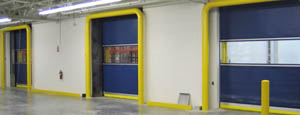
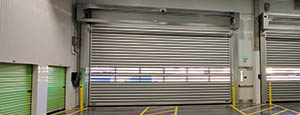
- Clean Room
Stainless steel or composite materials help maintain clean rooms.
-
-
- Coolers
Quick opening speeds & tight seals for temperature control.
-
-
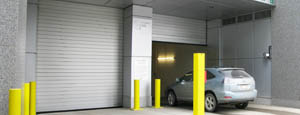
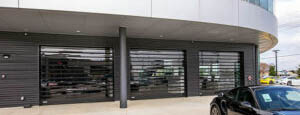
- Parking
Improve security & traffic flow and enhance architectural style.
-
-
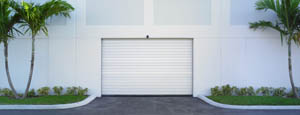
- Hurricane Zone
Withstand winds up to 175 mph and comply with the Florida Building Code.
-
-
-
-
- USDA / FDA / cGMP
Increase productivity & address stringent USDA, FDA & cGMP requirements.
-
-
- Freezers
High-speed & perimeter seals minimize the air exchange between areas.
-
-
- Security
High speed & durability ensure secure access.
-
-
- Ventilation
Perforated or screen door panels allow improved air circulation.
-
-
-
-
- Fire Station Emergency Response
When time is of the essence, high speed and reliability are crucial.
-
-
- Warehousing
Fast cycle times and secure seals keep environments separated.
-
-
- Loading Dock
Rugged design & secure seal for oversized openings.
-
-
- Large Openings
Break-away functionality with rugged design seals oversized openings.
-
-
-
-
- Heavy Equipment
Withstands challenges of heavy equipment and fleet truck/car wash environments.
-
-
- Self-Storage
Fast opening speeds and reliable, durable construction keep facilities secure and protected.
-
-
- Industries
-
-
-
- Automotive Dealerships
Reduce energy costs, increase productivity and comfort and enhance customer perception.
-
-
- Cold Storage & Processing
Increase productivity and operational efficiency while reducing energy and maintenance costs.
-
-
- Parking
We offer solutions for Apartment / Condo & Loft, Standalone Parking Facilities and Office Buildings
-
-
-
-
- Food & Beverage
Doors specifically engineered for USDA/FDA and cGMP environments, and assured compliance for uncompromising performance.
-
-
- Mfg/Dist/Warehousing
A complete product line allows facilities to increase efficiency and safety and reduce maintenance and energy costs.
-
-
- Government
Ensure effective security and environmental controls are maintained for critical government operations.
-
-
-
-
- Transit
Keep operations running smoothly and efficient while reducing energy and maintenance costs.
-
-
- Pharma, Nutraceutical & Biotech
Doors that offer quick, secure access, environmental control and reliability for life science facilities.
-
-
- Support Resources
- Parts
- Contact Us
- Blog/News
- Why Rytec
- Sales Rep Locator
- Careers
- Dealers
- Architectural Resources











How to Choose SPC Wall Panels in 2026?
Choosing a Spc Wall Panel in 2026 requires more than comparing colors, prices, and glossy product photos. The right panel must suit the room, substrate, climate, and installation method. A bathroom wall faces steam. A busy hallway faces impacts, dirt, and repeated cleaning. These conditions demand different specifications.
Daniel Reed, an independent building-materials consultant with over fifteen years of interior renovation experience, offers a practical warning: “A durable panel is not defined by thickness alone; performance comes from the complete system.” His advice deserves attention. Buyers should examine the SPC core, surface wear layer, dimensional stability, edge profile, and available test reports. Water resistance matters, but it does not excuse poor sealing around corners or plumbing. A panel may survive splashes and still fail behind an uneven wall.
This guide explains how to compare Spc Wall Panel products for real projects in 2026. It considers surface texture, color consistency, fire performance, emissions, maintenance, and long-term value. Look closely at the sample. Run your fingers across the embossing. Check whether the locking edge closes cleanly. Ask for installation instructions and warranty exclusions.
Some decisions remain imperfect. A premium panel may exceed a small renovation budget. A cheaper panel may create higher replacement costs later. Even experienced buyers can overlook substrate preparation. That mistake is common. Careful selection means balancing appearance, verified performance, installer skill, and the room’s actual demands.
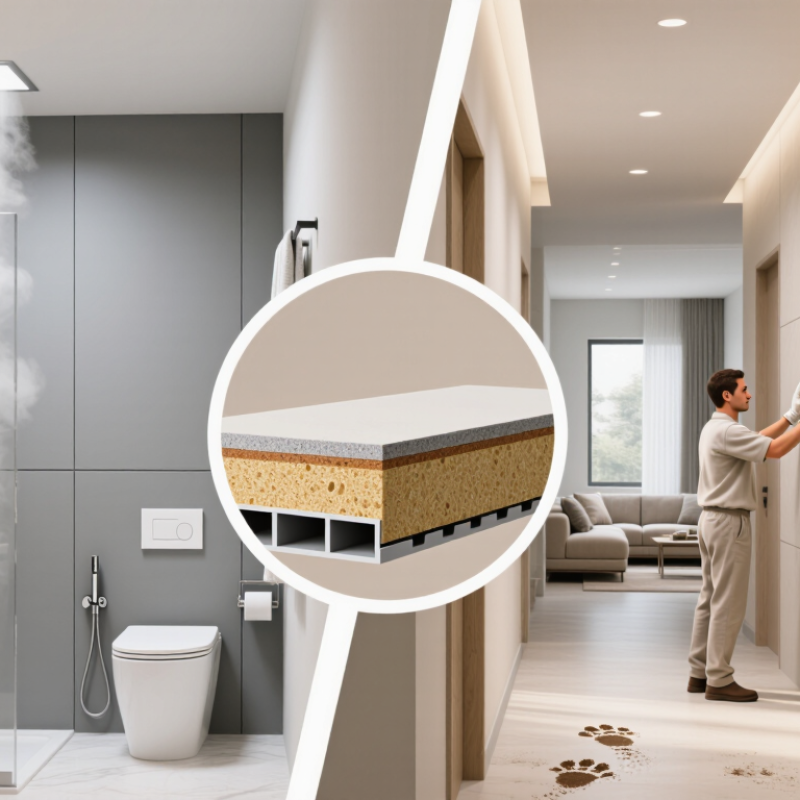
Table of Contents [Hide]
Define SPC Wall Panels and Identify Your Project Requirements
How to Choose SPC Wall Panels in 2026?
SPC wall panels are rigid interior panels made from a stone-plastic composite core. The core typically combines mineral powder, polymer resin, and stabilizers. This structure gives the panel useful dimensional stability and resistance to everyday moisture. It is not waterproof in every installation. Joints, edges, and wall cavities still need careful protection.
I learned this during a renovation where the panels looked suitable, but the uneven masonry caused visible gaps. The panel was not the real problem. The substrate was. Measure wall flatness, room humidity, temperature changes, and available fixing space before choosing a product. Bathrooms need sealed joints and compatible trims. Busy corridors need stronger impact resistance. Kitchens need surfaces that clean easily without harsh chemicals.
Check panel thickness, fire performance, surface wear, weight, and installation instructions. Also review emissions documentation and local building requirements. A lightweight panel may simplify handling, but it can feel less solid on a large wall. Wider panels reduce joint lines, yet they may be harder to carry through narrow doors. I once underestimated this detail. Ask for samples and inspect the texture under both daylight and artificial light. Color can shift noticeably. Avoid selecting panels from a small photograph alone. The best choice depends on the wall condition, room use, maintenance plan, and installer’s actual experience.