
- High-Performance Doors
-
- Applications
-
-
-
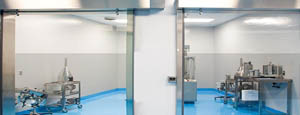
- Clean Room
Stainless steel or composite materials help maintain clean rooms.
-
-
- Coolers
Quick opening speeds & tight seals for temperature control.
-
-
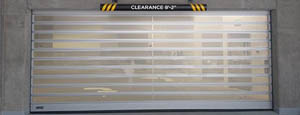
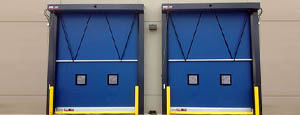
- Parking
Improve security & traffic flow and enhance architectural style.
-
-
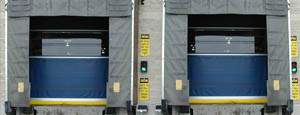
- Hurricane Zone
Withstand winds up to 175 mph and comply with the Florida Building Code.
-
-
-
-
- USDA / FDA / cGMP
Increase productivity & address stringent USDA, FDA & cGMP requirements.
-
-
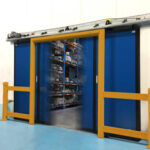
- Freezers
High-speed & perimeter seals minimize the air exchange between areas.
-
-
- Security
High speed & durability ensure secure access.
-
-
- Ventilation
Perforated or screen door panels allow improved air circulation.
-
-
-
-
- Fire Station Emergency Response
When time is of the essence, high speed and reliability are crucial.
-
-
- Warehousing
Fast cycle times and secure seals keep environments separated.
-
-
- Loading Dock
Rugged design & secure seal for oversized openings.
-
-
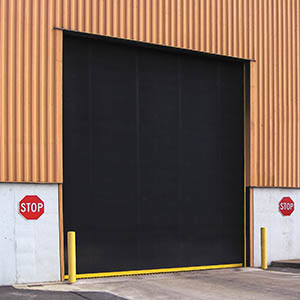
- Large Openings
Break-away functionality with rugged design seals oversized openings.
-
-
-
-
- Heavy Equipment
Withstands challenges of heavy equipment and fleet truck/car wash environments.
-
-
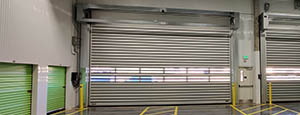
- Self-Storage
Fast opening speeds and reliable, durable construction keep facilities secure and protected.
-
-
- Industries
-
-
-
- Automotive Dealerships
Reduce energy costs, increase productivity and comfort and enhance customer perception.
-
-
- Cold Storage & Processing
Increase productivity and operational efficiency while reducing energy and maintenance costs.
-
-
- Parking
We offer solutions for Apartment / Condo & Loft, Standalone Parking Facilities and Office Buildings
-
-
-
-
- Food & Beverage
Doors specifically engineered for USDA/FDA and cGMP environments, and assured compliance for uncompromising performance.
-
-
- Mfg/Dist/Warehousing
A complete product line allows facilities to increase efficiency and safety and reduce maintenance and energy costs.
-
-
- Government
Ensure effective security and environmental controls are maintained for critical government operations.
-
-
-
-
- Transit
Keep operations running smoothly and efficient while reducing energy and maintenance costs.
-
-
- Pharma, Nutraceutical & Biotech
Doors that offer quick, secure access, environmental control and reliability for life science facilities.
-
-
- Support Resources
- Parts
- Contact Us
- Blog/News
- Why Rytec
- Sales Rep Locator
- Careers
- Dealers
- Architectural Resources



















How to Choose a Rotary Pouch Packing Machine?
Choosing a rotary pouch packing machine is not simply a matter of comparing speeds. It is a production decision involving product behavior, pouch material, filling accuracy, labor, maintenance, and future demand. A machine may look impressive in a showroom, yet struggle with sticky powder or irregular granules on a busy factory floor.
PMMI market-development expert Jorge Izquierdo has emphasized, “The most important thing is to understand the process and the product.” That principle remains practical. Before reviewing machine models, manufacturers should test the product’s flow, density, moisture, and particle size. They should also examine pouch width, seal structure, filling range, and target output. Small details matter. A weak seal can waste an entire production shift.
A reliable rotary pouch packing machine should offer stable indexing, accurate dosing, accessible changeover parts, and clear operator controls. Hygienic design also deserves close attention, especially around product-contact areas and dust collection points. Experienced teams should request sample runs using their own materials, not only factory demonstrations. Ask for measured results, including seal strength, giveaway, downtime, and rejected pouch rates.
No checklist is perfect. A machine that suits one plant may disappoint another. Budget pressure can also hide long-term costs. Energy use, spare parts, training, and service response should be considered honestly. This guide explains how to compare these factors, identify avoidable risks, and select equipment that supports dependable production rather than impressive promises.
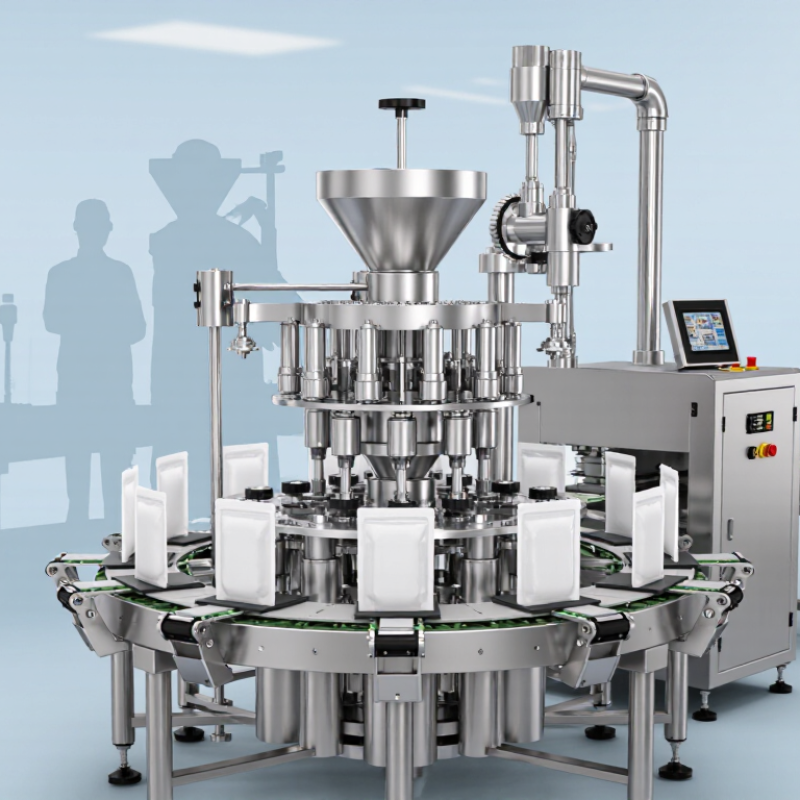
Table of Contents [Hide]
Define Your Product and Packaging Requirements
How to Choose a Rotary Pouch Packing Machine?
Define Your Product and Packaging Requirements
Your product should determine the machine, not the other way around. Start with its shape, density, moisture, temperature, and flow behavior. Powdered ingredients may bridge inside the hopper, while oily snacks can contaminate sealing jaws. Granules may require a multihead weigher for stable dosing.
Measure the target fill weight and acceptable variation. Then define pouch width, height, zipper needs, seal style, and film structure. A 2024 report from the Flexible Packaging Association valued the U.S. flexible packaging market at approximately $40 billion in 2023. This scale reflects strong demand, but every product still needs individual testing. Flexible film is not automatically suitable for every barrier requirement.
Consider oxygen, moisture, light, and aroma protection. A food product may need high-barrier laminate, while a dry household product may need a simpler structure. Review the sealing temperature range and friction of the film. Small differences can create wrinkles, weak seals, or leaking corners.
Ask for trials using your actual product and film. Watch the feed path closely. Does powder settle on the seal? Do irregular pieces damage the pouch? These observations matter more than a brochure’s maximum speed. PMMI’s 2024 State of the Industry report recorded U.S. packaging machinery shipments of about $10.2 billion in 2023, showing a mature equipment market. Yet advertised speed can mislead. Real output falls during film changes, cleaning, and adjustments. Build your specification around dependable production, not perfect test conditions.