
- High-Performance Doors
-
- Applications
-
-
-
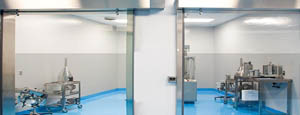
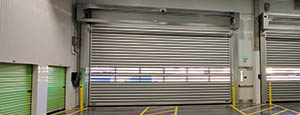
- Clean Room
Stainless steel or composite materials help maintain clean rooms.
-
-
- Coolers
Quick opening speeds & tight seals for temperature control.
-
-
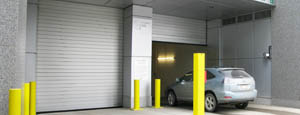
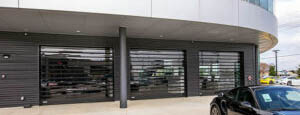
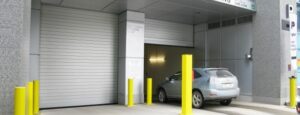
- Parking
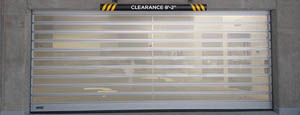
Improve security & traffic flow and enhance architectural style.
-
-
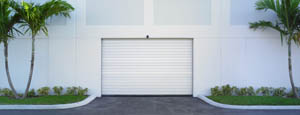
- Hurricane Zone
Withstand winds up to 175 mph and comply with the Florida Building Code.
-
-
-
-
- USDA / FDA / cGMP
Increase productivity & address stringent USDA, FDA & cGMP requirements.
-
-
- Freezers
High-speed & perimeter seals minimize the air exchange between areas.
-
-
- Security
High speed & durability ensure secure access.
-
-
- Ventilation
Perforated or screen door panels allow improved air circulation.
-
-
-
-
- Fire Station Emergency Response
When time is of the essence, high speed and reliability are crucial.
-
-
- Warehousing
Fast cycle times and secure seals keep environments separated.
-
-
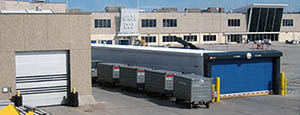
- Loading Dock
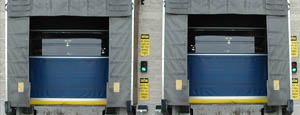
Rugged design & secure seal for oversized openings.
-
-
- Large Openings
Break-away functionality with rugged design seals oversized openings.
-
-
-
-
- Heavy Equipment
Withstands challenges of heavy equipment and fleet truck/car wash environments.
-
-
- Self-Storage
Fast opening speeds and reliable, durable construction keep facilities secure and protected.
-
-
- Industries
-
-
-
- Automotive Dealerships
Reduce energy costs, increase productivity and comfort and enhance customer perception.
-
-
- Cold Storage & Processing
Increase productivity and operational efficiency while reducing energy and maintenance costs.
-
-
- Parking
We offer solutions for Apartment / Condo & Loft, Standalone Parking Facilities and Office Buildings
-
-
-
-
- Food & Beverage
Doors specifically engineered for USDA/FDA and cGMP environments, and assured compliance for uncompromising performance.
-
-
- Mfg/Dist/Warehousing
A complete product line allows facilities to increase efficiency and safety and reduce maintenance and energy costs.
-
-
- Government
Ensure effective security and environmental controls are maintained for critical government operations.
-
-
-
-
- Transit
Keep operations running smoothly and efficient while reducing energy and maintenance costs.
-
-
- Pharma, Nutraceutical & Biotech
Doors that offer quick, secure access, environmental control and reliability for life science facilities.
-
-
- Support Resources
- Parts
- Contact Us
- Blog/News
- Why Rytec
- Sales Rep Locator
- Careers
- Dealers
- Architectural Resources





How to Choose the Right Rolling Garage Door for Your Home?
When selecting a rolling garage door, many homeowners feel overwhelmed. The choices are vast, and the stakes are high. According to John Barnes, a renowned expert in garage door solutions, “A rolling garage door should complement your home while offering maximum security.” This insight reflects the importance of balancing aesthetics and functionality.
Choosing the right design can enhance your home’s curb appeal. You'll want a door that fits your style, whether modern or traditional. Consider durability, materials, and insulation options. Each aspect contributes to security and energy efficiency.
However, not all rolling garage doors are created equal. Some may not withstand harsh weather conditions. Insufficient research can lead to costly mistakes. Homeowners should reflect on their needs and local climate. This critical thinking will guide them in making an informed decision. It’s essential to seek professional guidance and read reviews before purchasing. Taking these steps ensures that you invest wisely in your rolling garage door.
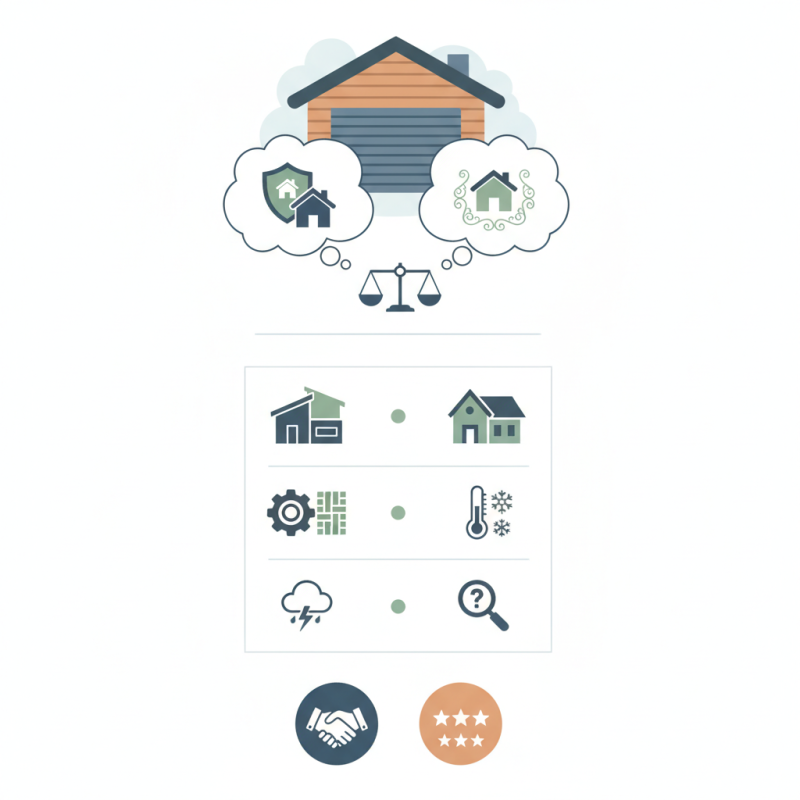
Table of Contents
[Hide]
Types of Rolling Garage Doors Available for Residential Use
When choosing a rolling garage door for residential use, understanding available types is key. There are several options, each with distinct features. Sectional doors are popular for their versatility, fitting various architectural styles. They consist of horizontal panels that move along tracks. This design optimizes space and provides excellent insulation. According to the International Door Association, these doors comprise over 70% of the residential market.
Another type is the roller door, which is ideal for tight spaces. Unlike sectional doors, roller doors roll up into a compact coil above the opening. This option is generally more economical. However, it may lack the same level of insulation compared to sectional doors. A recent study showed that roller doors can save homeowners up to 30% on installation costs, making them a practical choice for budget-conscious individuals.
Side-hinged doors are also available, providing a traditional aesthetic. They open outward, requiring additional space on the sides. While they are easier to repair, they may not be suitable for every driveway layout. Research indicates that many homeowners often overlook these options for modern designs, missing out on their unique charm and functionality. Ultimately, the best choice depends on the individual needs and preferences of homeowners.
Related Posts
-
Top Benefits of a Garage Door with Door for Your Home in 2025
-
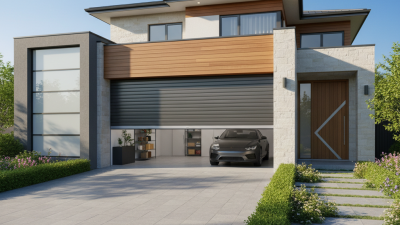
How to Choose the Best Roll Down Garage Doors for Your Home?
-
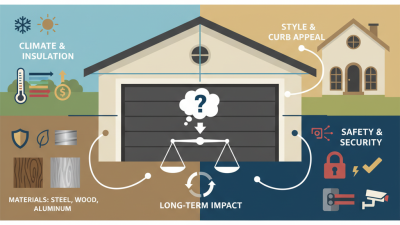
How to Choose the Best Overhead Garage Doors for Your Home
-
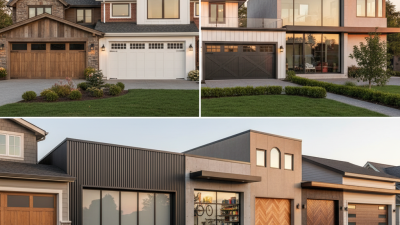
10 Best Garage Doors with Door Options for Every Home?
-
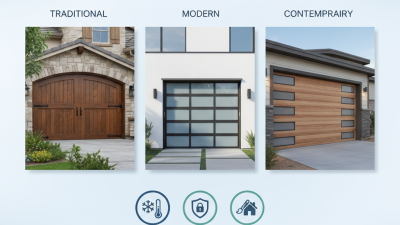
What is the Best Overhead Garage Door for Your Home?
-
10 Essential Tips for Choosing the Right Rolling Doors for Your Space?