
- High-Performance Doors
-
- Applications
-
-
-
- Clean Room
Stainless steel or composite materials help maintain clean rooms.
-
-
- Coolers
Quick opening speeds & tight seals for temperature control.
-
-
- Parking
Improve security & traffic flow and enhance architectural style.
-
-
- Hurricane Zone
Withstand winds up to 175 mph and comply with the Florida Building Code.
-
-
-
-
- USDA / FDA / cGMP
Increase productivity & address stringent USDA, FDA & cGMP requirements.
-
-
- Freezers
High-speed & perimeter seals minimize the air exchange between areas.
-
-
- Security
High speed & durability ensure secure access.
-
-
- Ventilation
Perforated or screen door panels allow improved air circulation.
-
-
-
-
- Fire Station Emergency Response
When time is of the essence, high speed and reliability are crucial.
-
-
- Warehousing
Fast cycle times and secure seals keep environments separated.
-
-
- Loading Dock
Rugged design & secure seal for oversized openings.
-
-
- Large Openings
Break-away functionality with rugged design seals oversized openings.
-
-
-
-
- Heavy Equipment
Withstands challenges of heavy equipment and fleet truck/car wash environments.
-
-
- Self-Storage
Fast opening speeds and reliable, durable construction keep facilities secure and protected.
-
-
- Industries
-
-
-
- Automotive Dealerships
Reduce energy costs, increase productivity and comfort and enhance customer perception.
-
-
- Cold Storage & Processing
Increase productivity and operational efficiency while reducing energy and maintenance costs.
-
-
- Parking
We offer solutions for Apartment / Condo & Loft, Standalone Parking Facilities and Office Buildings
-
-
-
-
- Food & Beverage
Doors specifically engineered for USDA/FDA and cGMP environments, and assured compliance for uncompromising performance.
-
-
- Mfg/Dist/Warehousing
A complete product line allows facilities to increase efficiency and safety and reduce maintenance and energy costs.
-
-
- Government
Ensure effective security and environmental controls are maintained for critical government operations.
-
-
-
-
- Transit
Keep operations running smoothly and efficient while reducing energy and maintenance costs.
-
-
- Pharma, Nutraceutical & Biotech
Doors that offer quick, secure access, environmental control and reliability for life science facilities.
-
-
- Support Resources
- Parts
- Contact Us
- Blog/News
- Why Rytec
- Sales Rep Locator
- Careers
- Dealers
- Architectural Resources














How to Choose the Right Pallet Box for Global Shipping?
Choosing the right Pallet Box can decide whether goods arrive clean, stable, and ready for the next handling stage. It also influences storage space, loading efficiency, product protection, and return costs. Global shipping adds pressure because cargo may face vibration, humidity, temperature changes, repeated transfers, and long periods in transit.
Walter Soroka, a respected packaging specialist and author of Fundamentals of Packaging Technology, described packaging as “the science, art, and technology of enclosing products for containment, protection, handling, delivery, and presentation.” His words remain practical for modern palletized freight. A Pallet Box should not be selected by size alone. Buyers need to examine load weight, product shape, stacking height, fork access, wall strength, closure design, and ventilation requirements. Material choice matters too. Corrugated fiberboard can reduce weight, while plastic or plywood may suit repeated handling and demanding environments.
Small details matter.
A loose lid can allow dust inside. A weak base can deform during lifting. Excess empty space may increase movement and damage. Yet the “strongest” Pallet Box is not always the best option. It may add unnecessary weight, occupy more warehouse space, or create higher handling costs. This is where practical testing becomes valuable. Pack a representative load, simulate stacking, and inspect compression points after movement. Real shipments can reveal problems that specifications miss. Some decisions will need adjustment. That is not failure; it is useful evidence. The right Pallet Box balances protection, handling, sustainability, and total logistics cost across the full shipping journey.
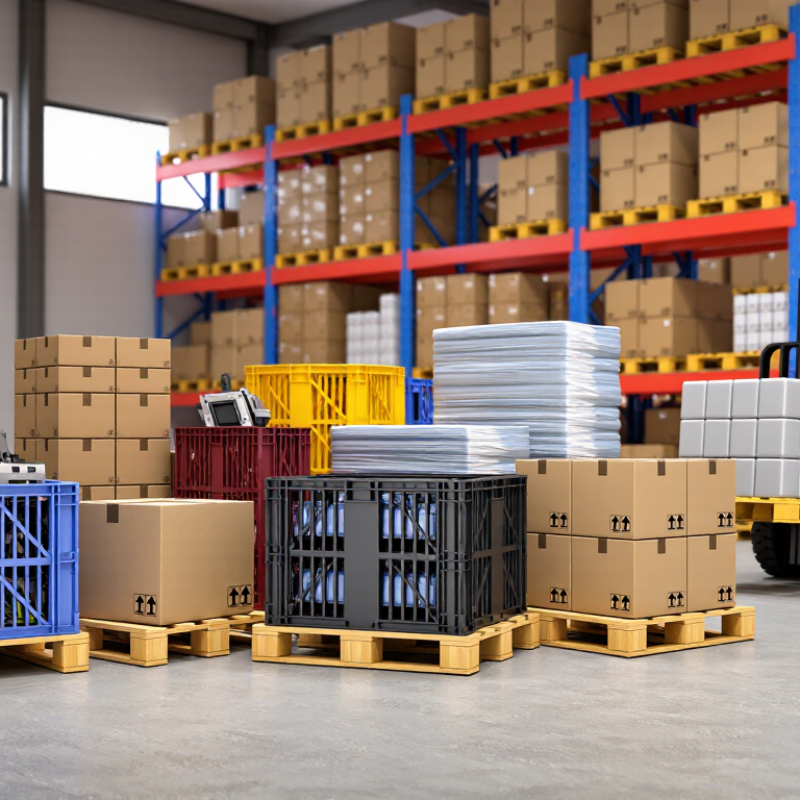
Table of Contents [Hide]
Define Shipping Requirements and Cargo Characteristics
Choosing the right pallet box begins with the shipment, not the container. Define the cargo’s weight, dimensions, shape, and handling risks before comparing materials. A dense metal part may need reinforced walls, while delicate components need cushioning and controlled movement.
Measure the longest item, including protective wrapping. Then allow space for separators, corner protection, and safe forklift entry. Check whether the load will face rain, salt air, dust, or temperature changes. Moisture-sensitive cargo may require a sealed interior or a moisture barrier. Heavy cargo also needs a low center of gravity. Stability matters during turning, lifting, and uneven road transport.
Think beyond the warehouse.
For international routes, confirm the pallet box’s external dimensions against common transport limits. Examine its stacking strength and test performance under realistic loads. Static capacity alone can mislead you. A box may hold weight in storage but fail after vibration, repeated handling, or tilted lifting. Review handling instructions, inspection records, and material specifications from reliable technical sources.
Small details often cause delays. Poorly placed labels can become hidden under stretch film. Excess empty space can increase shifting and damage. I have seen teams choose a larger box for convenience, then pay for unused volume. That choice looked efficient at packing time. It was not efficient in transit. Recheck the design with the actual cargo, route, equipment, and loading pattern. Leave room for improvement. Real shipments rarely behave perfectly.