
- High-Performance Doors
-
- Applications
-
-
-
- Clean Room
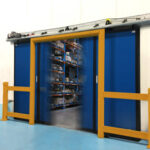
Stainless steel or composite materials help maintain clean rooms.
-
-
- Coolers
Quick opening speeds & tight seals for temperature control.
-
-
- Parking
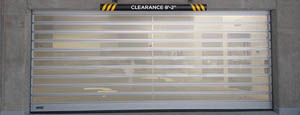
Improve security & traffic flow and enhance architectural style.
-
-
- Hurricane Zone
Withstand winds up to 175 mph and comply with the Florida Building Code.
-
-
-
-
- USDA / FDA / cGMP
Increase productivity & address stringent USDA, FDA & cGMP requirements.
-
-
- Freezers
High-speed & perimeter seals minimize the air exchange between areas.
-
-
- Security
High speed & durability ensure secure access.
-
-
- Ventilation
Perforated or screen door panels allow improved air circulation.
-
-
-
-
- Fire Station Emergency Response
When time is of the essence, high speed and reliability are crucial.
-
-
- Warehousing
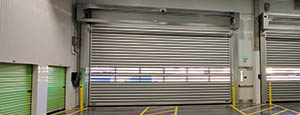
Fast cycle times and secure seals keep environments separated.
-
-
- Loading Dock
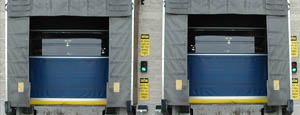
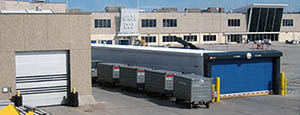
Rugged design & secure seal for oversized openings.
-
-
- Large Openings
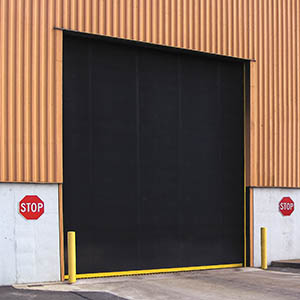
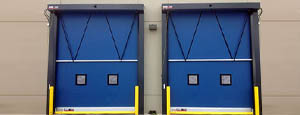
Break-away functionality with rugged design seals oversized openings.
-
-
-
-
- Heavy Equipment
Withstands challenges of heavy equipment and fleet truck/car wash environments.
-
-
- Self-Storage
Fast opening speeds and reliable, durable construction keep facilities secure and protected.
-
-
- Industries
-
-
-
- Automotive Dealerships
Reduce energy costs, increase productivity and comfort and enhance customer perception.
-
-
- Cold Storage & Processing
Increase productivity and operational efficiency while reducing energy and maintenance costs.
-
-
- Parking
We offer solutions for Apartment / Condo & Loft, Standalone Parking Facilities and Office Buildings
-
-
-
-
- Food & Beverage
Doors specifically engineered for USDA/FDA and cGMP environments, and assured compliance for uncompromising performance.
-
-
- Mfg/Dist/Warehousing
A complete product line allows facilities to increase efficiency and safety and reduce maintenance and energy costs.
-
-
- Government
Ensure effective security and environmental controls are maintained for critical government operations.
-
-
-
-
- Transit
Keep operations running smoothly and efficient while reducing energy and maintenance costs.
-
-
- Pharma, Nutraceutical & Biotech
Doors that offer quick, secure access, environmental control and reliability for life science facilities.
-
-
- Support Resources
- Parts
- Contact Us
- Blog/News
- Why Rytec
- Sales Rep Locator
- Careers
- Dealers
- Architectural Resources


















How to Choose the Right Oil Offloading Pump?
Selecting the right Oil Offloading Pump is not simply a matter of choosing the highest flow rate. The pump must match the oil’s viscosity, temperature, transfer distance, and storage conditions. A poorly matched unit may cause pressure loss, slow unloading, seal damage, or unnecessary energy use.
Real operating experience shows that small details matter. A cold, heavy oil can move very differently from warm oil. Hose diameter, suction lift, valve design, and filtration also affect performance. Check the actual transfer environment, not only the supplier’s brochure. Numbers can mislead.
Safety remains essential.
This guide examines pump type, capacity, materials, motor options, maintenance access, and control requirements. It also explains how to compare centrifugal, gear, screw, and vane designs for different oil products. Reliable selection depends on verified specifications, documented testing, and advice from qualified engineers or manufacturers. Standards and site procedures should be reviewed before installation.
There is no universal pump.
Even experienced teams can overlook seasonal temperature changes or future production increases. That deserves careful reflection. A pump that performs well today may become inefficient after a pipeline extension or product change. Consider total ownership cost, including electricity, seals, downtime, cleaning, and spare parts. The best Oil Offloading Pump should provide stable transfer, predictable maintenance, and safe operation throughout its expected service life.
Table of Contents [Hide]
Define the Role and Operating Principles of Oil Offloading Pumps
How to Choose the Right Oil Offloading Pump?
An oil offloading pump transfers liquid from a truck, vessel, or temporary tank into fixed storage. Its role is simple, but operating conditions are not. The pump must overcome static lift, pipe friction, valve losses, and changing tank levels. The U.S. Department of Energy identifies pumping systems as major industrial energy users, making efficiency a practical selection factor. Oversizing wastes power and may increase pressure shocks.
Centrifugal pumps use rotating impellers to create velocity and pressure. They suit stable flow, lower viscosity, and moderate pressure requirements.
Positive displacement pumps trap a known volume and move it during each cycle. They perform better with viscous oil and controlled metering.
Every pump still needs adequate net positive suction head. Poor suction conditions can cause vapor formation, vibration, and rapid damage.
Start with flow rate, viscosity, temperature, density, and required discharge pressure. Check hose length and internal diameter carefully. Small hoses can create surprising friction losses.
IEA’s Oil 2024 report forecasts global oil demand at 105.4 million barrels per day by 2030, highlighting the continuing need for dependable transfer equipment.
Yet demand alone should not dictate pump size. In field reviews, operators often select maximum capacity instead of normal capacity. That choice looks safe. It may be inefficient, unstable, and difficult to control.
A variable-speed drive can help, but only after the system curve is understood. Conservative assumptions still require verification.