
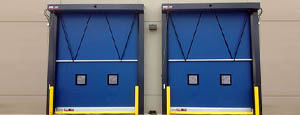
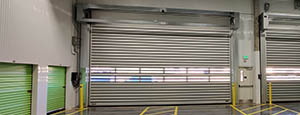
- High-Performance Doors
-
- Applications
-
-
-
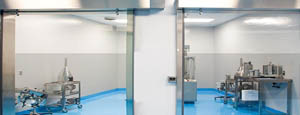
- Clean Room
Stainless steel or composite materials help maintain clean rooms.
-
-
- Coolers
Quick opening speeds & tight seals for temperature control.
-
-
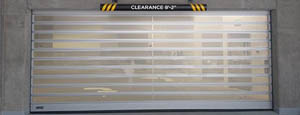
- Parking
Improve security & traffic flow and enhance architectural style.
-
-
- Hurricane Zone
Withstand winds up to 175 mph and comply with the Florida Building Code.
-
-
-
-
- USDA / FDA / cGMP
Increase productivity & address stringent USDA, FDA & cGMP requirements.
-
-
- Freezers
High-speed & perimeter seals minimize the air exchange between areas.
-
-
- Security
High speed & durability ensure secure access.
-
-
- Ventilation
Perforated or screen door panels allow improved air circulation.
-
-
-
-
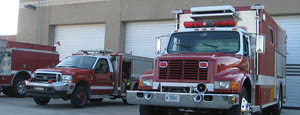
- Fire Station Emergency Response
When time is of the essence, high speed and reliability are crucial.
-
-
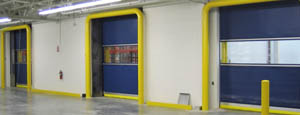
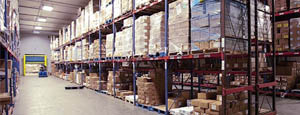
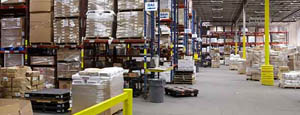
- Warehousing
Fast cycle times and secure seals keep environments separated.
-
-
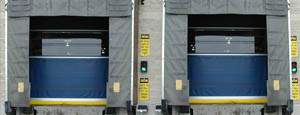
- Loading Dock
Rugged design & secure seal for oversized openings.
-
-
- Large Openings
Break-away functionality with rugged design seals oversized openings.
-
-
-
-
- Heavy Equipment
Withstands challenges of heavy equipment and fleet truck/car wash environments.
-
-
- Self-Storage
Fast opening speeds and reliable, durable construction keep facilities secure and protected.
-
-
- Industries
-
-
-
- Automotive Dealerships
Reduce energy costs, increase productivity and comfort and enhance customer perception.
-
-
- Cold Storage & Processing
Increase productivity and operational efficiency while reducing energy and maintenance costs.
-
-
- Parking
We offer solutions for Apartment / Condo & Loft, Standalone Parking Facilities and Office Buildings
-
-
-
-
- Food & Beverage
Doors specifically engineered for USDA/FDA and cGMP environments, and assured compliance for uncompromising performance.
-
-
- Mfg/Dist/Warehousing
A complete product line allows facilities to increase efficiency and safety and reduce maintenance and energy costs.
-
-
- Government
Ensure effective security and environmental controls are maintained for critical government operations.
-
-
-
-
- Transit
Keep operations running smoothly and efficient while reducing energy and maintenance costs.
-
-
- Pharma, Nutraceutical & Biotech
Doors that offer quick, secure access, environmental control and reliability for life science facilities.
-
-
- Support Resources
- Parts
- Contact Us
- Blog/News
- Why Rytec
- Sales Rep Locator
- Careers
- Dealers
- Architectural Resources











How to Choose the Right Inverter Outlet for Global Sourcing?
Choosing the right Inverter Outlet for global sourcing requires more than comparing prices and product photos. Buyers must match the outlet with local voltage, frequency, plug configuration, grounding, and expected load. A model designed for a 120-volt market may perform poorly in a 230-volt environment. Small details matter, too. Check terminal quality, housing material, heat resistance, and protection against overloads or surges.
Experience shows that product specifications often look clearer than they are. Some suppliers list maximum output without explaining continuous performance. Others provide attractive samples but weak packaging or inconsistent assembly. Ask for technical datasheets, wiring diagrams, test reports, and traceable quality records. Independent laboratory testing can help verify safety and performance claims. Supplier audits also reveal practical issues, such as loose terminals, unclear labels, or poor carton protection.
Never rely on one document.
The sourcing decision should also consider installation conditions. A workshop, hotel room, vehicle, and outdoor cabinet may require different outlet designs. Confirm IP ratings where moisture or dust is present. Review temperature limits, cable compatibility, and user instructions before placing a large order. Regional certification expectations must be checked with qualified local professionals, because requirements differ across markets and product categories. A compliance mark alone does not prove every claim.
A lower quotation may still be useful, but only after its risks are understood. Even experienced buyers can miss a hidden limitation during a fast sourcing cycle. Build a sample-testing stage, record acceptance criteria, and negotiate corrective actions in writing. The best Inverter Outlet is not simply the cheapest option. It is the one that remains safe, reliable, and supportable across its intended market.
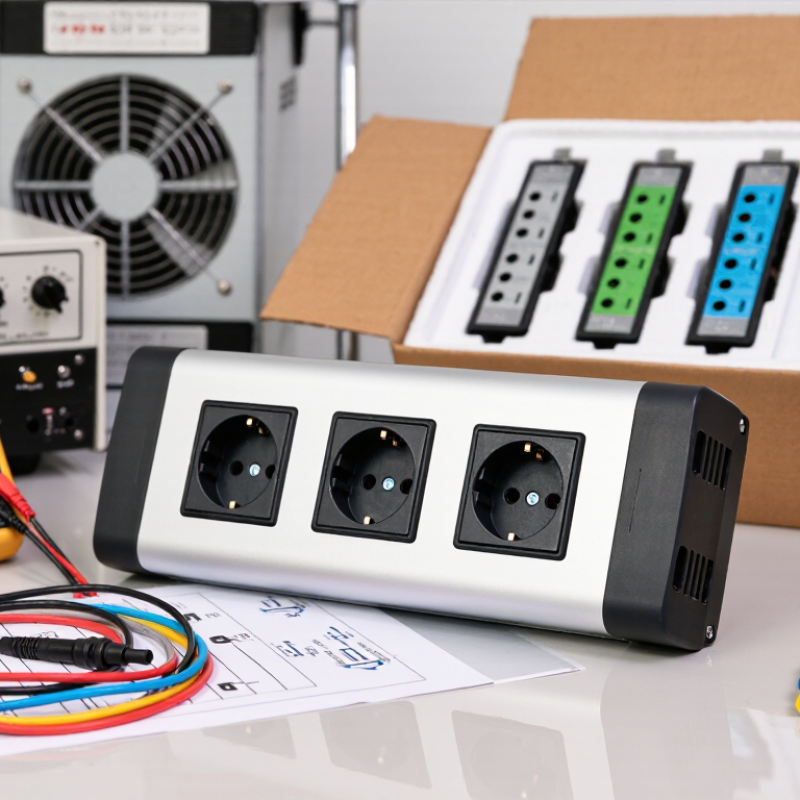
Table of Contents [Hide]
Define the Inverter Outlet’s Intended Application and Operating Environment
Before sourcing an inverter outlet, define what it must power and where it will operate. A portable backup unit may serve laptops and lights, while a workshop outlet may face motor surges and continuous loads. The required voltage, frequency, rated current, waveform, and grounding method must match the connected equipment. A convenient socket can still be unsuitable.
The operating environment is equally important. Outdoor solar systems may face rain, dust, salt air, ultraviolet exposure, and wide temperature swings. Check the enclosure rating under IEC 60529, not just the product description. Also verify derating above the stated temperature and altitude.
Small details matter. A loose connection can become a hot connection.
Global demand makes this decision less theoretical. IRENA’s Renewable Capacity Statistics 2024 reported 1,419 GW of installed solar capacity worldwide at the end of 2023. IEA PVPS also reported more than 400 GW of new photovoltaic capacity in 2023. These systems operate across homes, farms, vehicles, and remote facilities. Their outlet requirements are not interchangeable.
For sourcing, request test records, continuous-load data, surge capability, ingress protection, and temperature limits. One overlooked issue is compatibility between the inverter’s neutral configuration and the destination electrical system. It deserves confirmation before purchase. A supplier’s datasheet may omit practical installation limits, so sample testing under the real load remains valuable.