
- High-Performance Doors
-
- Applications
-
-
-
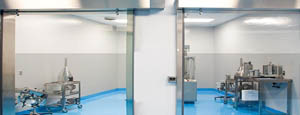
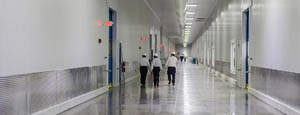
- Clean Room
Stainless steel or composite materials help maintain clean rooms.
-
-
- Coolers
Quick opening speeds & tight seals for temperature control.
-
-
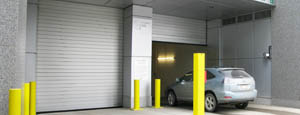
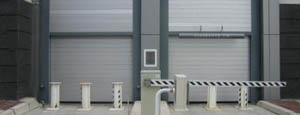
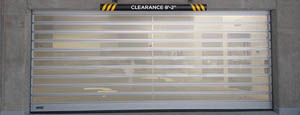
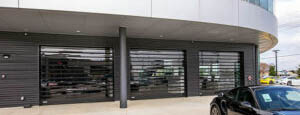
- Parking
Improve security & traffic flow and enhance architectural style.
-
-
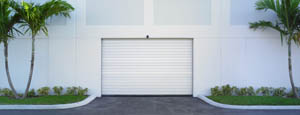
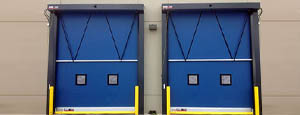
- Hurricane Zone
Withstand winds up to 175 mph and comply with the Florida Building Code.
-
-
-
-
- USDA / FDA / cGMP
Increase productivity & address stringent USDA, FDA & cGMP requirements.
-
-
- Freezers
High-speed & perimeter seals minimize the air exchange between areas.
-
-
- Security
High speed & durability ensure secure access.
-
-
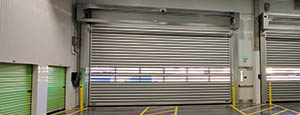
- Ventilation
Perforated or screen door panels allow improved air circulation.
-
-
-
-
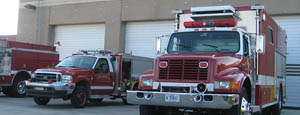
- Fire Station Emergency Response
When time is of the essence, high speed and reliability are crucial.
-
-
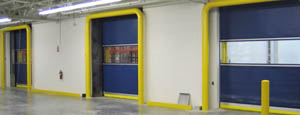
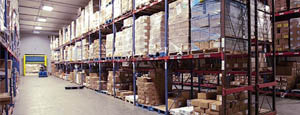
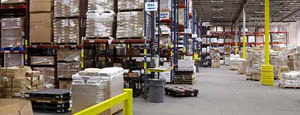
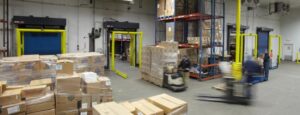
- Warehousing
Fast cycle times and secure seals keep environments separated.
-
-
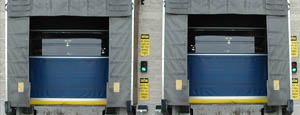
- Loading Dock
Rugged design & secure seal for oversized openings.
-
-
- Large Openings
Break-away functionality with rugged design seals oversized openings.
-
-
-
-
- Heavy Equipment
Withstands challenges of heavy equipment and fleet truck/car wash environments.
-
-
- Self-Storage
Fast opening speeds and reliable, durable construction keep facilities secure and protected.
-
-
- Industries
-
-
-
- Automotive Dealerships
Reduce energy costs, increase productivity and comfort and enhance customer perception.
-
-
- Cold Storage & Processing
Increase productivity and operational efficiency while reducing energy and maintenance costs.
-
-
- Parking
We offer solutions for Apartment / Condo & Loft, Standalone Parking Facilities and Office Buildings
-
-
-
-
- Food & Beverage
Doors specifically engineered for USDA/FDA and cGMP environments, and assured compliance for uncompromising performance.
-
-
- Mfg/Dist/Warehousing
A complete product line allows facilities to increase efficiency and safety and reduce maintenance and energy costs.
-
-
- Government
Ensure effective security and environmental controls are maintained for critical government operations.
-
-
-
-
- Transit
Keep operations running smoothly and efficient while reducing energy and maintenance costs.
-
-
- Pharma, Nutraceutical & Biotech
Doors that offer quick, secure access, environmental control and reliability for life science facilities.
-
-
- Support Resources
- Parts
- Contact Us
- Blog/News
- Why Rytec
- Sales Rep Locator
- Careers
- Dealers
- Architectural Resources



How to Choose the Right Humanoid Robot for Your Business?
Choosing the right Humanoid Robot begins with a clear business problem, not impressive demonstrations. A robot walking smoothly across a stage may still struggle with uneven flooring, tight aisles, or repeated lifting tasks. Your decision should connect physical abilities with measurable goals, such as reducing handling time or improving workplace consistency. Consider the environment, workload, staff interaction, maintenance access, and expected return on investment. Not every task needs a human-shaped machine.
Reliable evaluation requires evidence from real operating conditions. Ask vendors for verified performance data, safety documentation, integration requirements, and service response details. Review how the robot handles battery changes, software updates, emergency stops, and unexpected obstacles. A warehouse trial may reveal problems hidden during a polished demonstration. Watch the robot complete ordinary work for several hours. Short tests can mislead.
Human acceptance matters as much as technical capability. Employees need clear training, practical controls, and confidence that the system supports their work. Check whether the interface is understandable and whether operators can safely stop the machine. Independent assessments and transparent vendor references can strengthen your judgment. Still, no spreadsheet captures every concern. Early assumptions are often wrong. A thoughtful pilot may expose slower workflows, higher supervision needs, or hidden costs. That is useful evidence, not failure. The strongest choice balances capability, safety, support, scalability, and the people expected to work beside the robot.
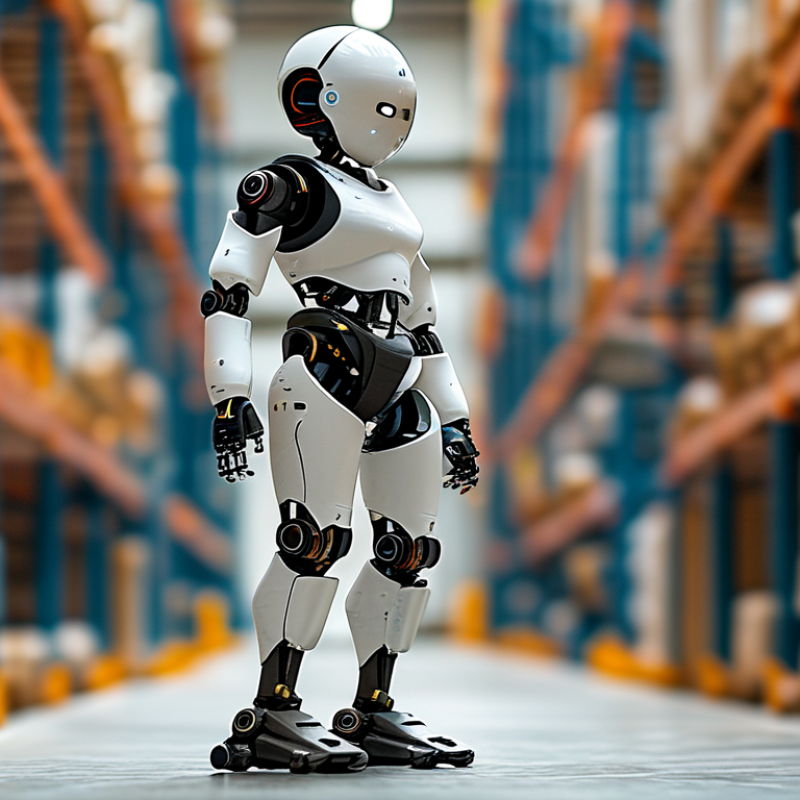
Table of Contents [Hide]
Define Your Business Needs and Robot Use Cases
Choosing the right humanoid robot starts with a business need, not appearance. Define the task clearly. What should the robot do each day? Review your workflow and identify delays, repetitive movements, safety concerns, and staffing gaps. A warehouse may need bin handling, while a hotel may need supply delivery. These are different use cases. Talk with operators before deciding. Their practical knowledge often reveals problems missed during planning.
Turn each use case into measurable requirements. Specify payload, reach, walking speed, battery life, navigation, grip strength, and expected working hours. Check the environment carefully. Narrow aisles, stairs, poor lighting, noise, and uneven floors can affect performance. Decide how much autonomy is appropriate. Human supervision may remain necessary. Include maintenance, staff training, data protection, emergency controls, and regulatory compliance. Calculate the full cost, including integration and downtime. A small pilot helps.
Test the robot in real conditions, not only in a staged demonstration. Measure completed tasks, errors, recovery time, and worker acceptance. For example, track how many containers it moves during one shift. Record every failure. Small tests matter. You may assume uniform cartons, but real cartons often vary. The robot may perform well on simple movements and struggle with unexpected obstacles. That is useful evidence, not a disaster. Revise the use case when needed, even if the original plan feels attractive. Document assumptions and compare results against practical business goals.