
- High-Performance Doors
-
- Applications
-
-
-
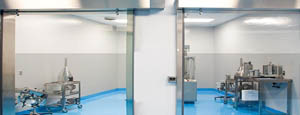
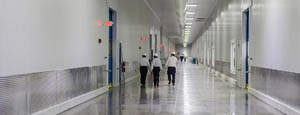
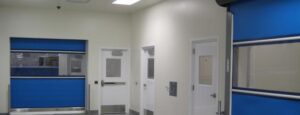
- Clean Room
Stainless steel or composite materials help maintain clean rooms.
-
-
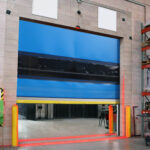
- Coolers
Quick opening speeds & tight seals for temperature control.
-
-
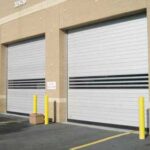
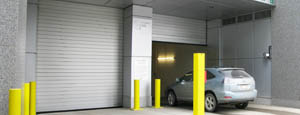
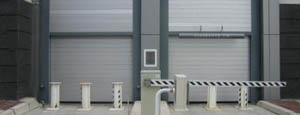
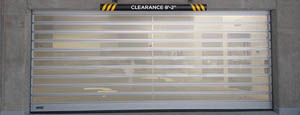
- Parking
Improve security & traffic flow and enhance architectural style.
-
-
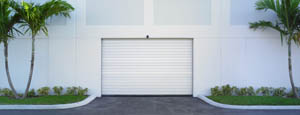
- Hurricane Zone
Withstand winds up to 175 mph and comply with the Florida Building Code.
-
-
-
-
- USDA / FDA / cGMP
Increase productivity & address stringent USDA, FDA & cGMP requirements.
-
-
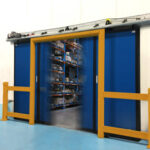
- Freezers
High-speed & perimeter seals minimize the air exchange between areas.
-
-
- Security
High speed & durability ensure secure access.
-
-
- Ventilation
Perforated or screen door panels allow improved air circulation.
-
-
-
-
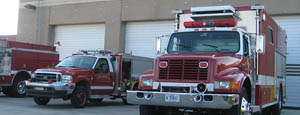
- Fire Station Emergency Response
When time is of the essence, high speed and reliability are crucial.
-
-
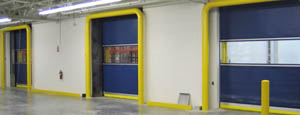
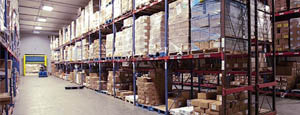
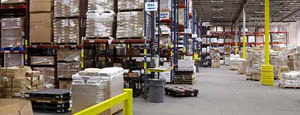
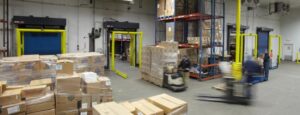
- Warehousing
Fast cycle times and secure seals keep environments separated.
-
-
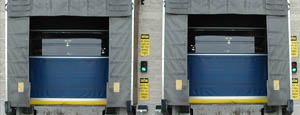
- Loading Dock
Rugged design & secure seal for oversized openings.
-
-
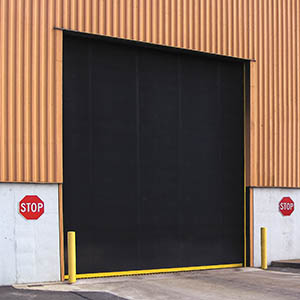
- Large Openings
Break-away functionality with rugged design seals oversized openings.
-
-
-
-
- Heavy Equipment
Withstands challenges of heavy equipment and fleet truck/car wash environments.
-
-
- Self-Storage
Fast opening speeds and reliable, durable construction keep facilities secure and protected.
-
-
- Industries
-
-
-
- Automotive Dealerships
Reduce energy costs, increase productivity and comfort and enhance customer perception.
-
-
- Cold Storage & Processing
Increase productivity and operational efficiency while reducing energy and maintenance costs.
-
-
- Parking
We offer solutions for Apartment / Condo & Loft, Standalone Parking Facilities and Office Buildings
-
-
-
-
- Food & Beverage
Doors specifically engineered for USDA/FDA and cGMP environments, and assured compliance for uncompromising performance.
-
-
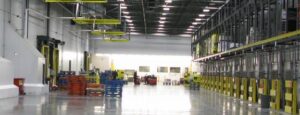
- Mfg/Dist/Warehousing
A complete product line allows facilities to increase efficiency and safety and reduce maintenance and energy costs.
-
-
- Government
Ensure effective security and environmental controls are maintained for critical government operations.
-
-
-
-
- Transit
Keep operations running smoothly and efficient while reducing energy and maintenance costs.
-
-
- Pharma, Nutraceutical & Biotech
Doors that offer quick, secure access, environmental control and reliability for life science facilities.
-
-
- Support Resources
- Parts
- Contact Us
- Blog/News
- Why Rytec
- Sales Rep Locator
- Careers
- Dealers
- Architectural Resources


How to Choose the Right Electric Damper Actuator?
Choosing the right Electric Damper Actuator is a control decision, not merely a product comparison. The actuator influences airflow stability, indoor comfort, energy use, and equipment protection. In commercial buildings, these details matter. The U.S. Department of Energy reports that buildings consume roughly 40% of total U.S. energy, while HVAC systems represent a major share of that demand. Even a small damper error can create visible effects: uneven temperatures, noisy ducts, overworked fans, or a room that never reaches its setpoint.
The 2024 Global Status Report for Buildings and Construction, published by UNEP and GlobalABC, states that buildings account for about 30% of global final energy consumption and 26% of energy-related emissions. This context makes actuator selection increasingly important. A reliable evaluation should examine torque requirements, damper size, control signal, fail-safe behavior, response time, enclosure rating, and compatibility with the building automation system. ASHRAE guidance also highlights the value of coordinated control sequences and proper commissioning. Field teams often discover that nominal torque ratings do not tell the whole story. Friction, shaft alignment, pressure, and maintenance conditions can change performance. No selection rule is perfect. I may be too quick to trust catalog figures without checking real installation conditions. This guide explains how to compare an Electric Damper Actuator using practical specifications, recognized engineering guidance, and site-level observations. The goal is simple: dependable airflow control with fewer surprises after installation.
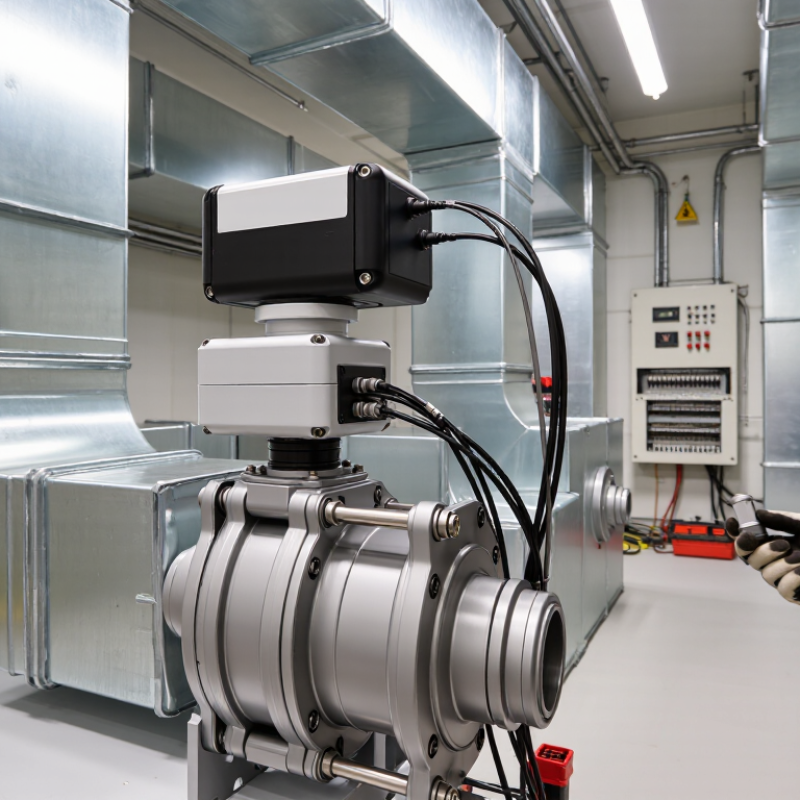
Table of Contents [Hide]
What an Electric Damper Actuator Is and How It Works
An electric damper actuator is the device that moves an air damper inside a ventilation or heating system. It changes electrical energy into rotary movement, turning the damper shaft to regulate airflow. A control signal may command two positions, such as open or closed, or a gradual position between them.
The actuator receives power from the building control system. Its internal motor moves gears, while a limit mechanism stops travel at the correct angle. In modulating systems, a sensor or feedback signal reports the blade position. This helps maintain stable airflow when room temperature or pressure changes. Spring-return models use stored mechanical energy to move the damper toward a safe position during power loss.
Choosing the correct actuator requires more than matching voltage. Check the damper torque, shaft size, rotation angle, operating time, and control signal. A large damper with sticky bearings may need greater torque than its dimensions suggest. That detail is often missed. On a rooftop unit, moisture and low temperatures can also affect performance, so enclosure protection and operating limits matter. During commissioning, confirm full closure, smooth movement, and feedback accuracy. A quiet motor is useful, but quiet operation does not prove correct airflow. Actual system readings still need checking. Sometimes the actuator is blamed when the damper linkage is bent or poorly aligned. That mistake can waste both time and energy.