
- High-Performance Doors
-
- Applications
-
-
-
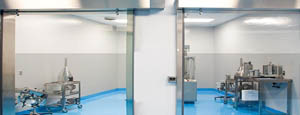
- Clean Room
Stainless steel or composite materials help maintain clean rooms.
-
-
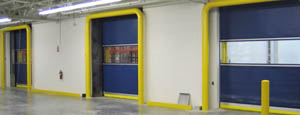
- Coolers
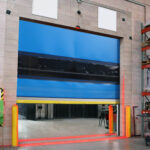
Quick opening speeds & tight seals for temperature control.
-
-
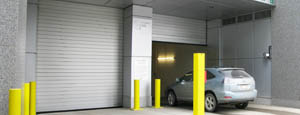
- Parking
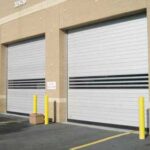
Improve security & traffic flow and enhance architectural style.
-
-
- Hurricane Zone
Withstand winds up to 175 mph and comply with the Florida Building Code.
-
-
-
-
- USDA / FDA / cGMP
Increase productivity & address stringent USDA, FDA & cGMP requirements.
-
-
- Freezers
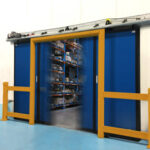
High-speed & perimeter seals minimize the air exchange between areas.
-
-
- Security
High speed & durability ensure secure access.
-
-
- Ventilation
Perforated or screen door panels allow improved air circulation.
-
-
-
-
- Fire Station Emergency Response
When time is of the essence, high speed and reliability are crucial.
-
-
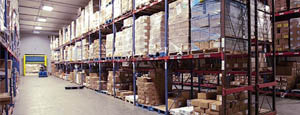
- Warehousing
Fast cycle times and secure seals keep environments separated.
-
-
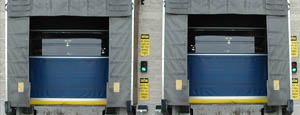
- Loading Dock
Rugged design & secure seal for oversized openings.
-
-
- Large Openings
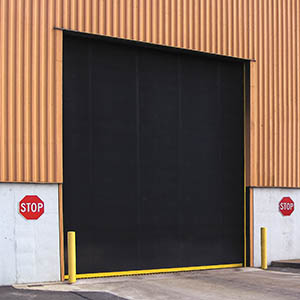
Break-away functionality with rugged design seals oversized openings.
-
-
-
-
- Heavy Equipment
Withstands challenges of heavy equipment and fleet truck/car wash environments.
-
-
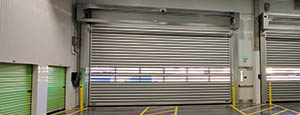
- Self-Storage
Fast opening speeds and reliable, durable construction keep facilities secure and protected.
-
-
- Industries
-
-
-
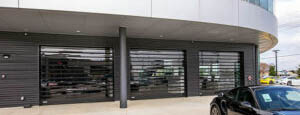
- Automotive Dealerships
Reduce energy costs, increase productivity and comfort and enhance customer perception.
-
-
- Cold Storage & Processing
Increase productivity and operational efficiency while reducing energy and maintenance costs.
-
-
- Parking
We offer solutions for Apartment / Condo & Loft, Standalone Parking Facilities and Office Buildings
-
-
-
-
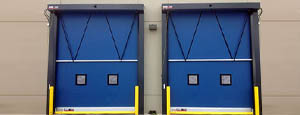
- Food & Beverage
Doors specifically engineered for USDA/FDA and cGMP environments, and assured compliance for uncompromising performance.
-
-
- Mfg/Dist/Warehousing
A complete product line allows facilities to increase efficiency and safety and reduce maintenance and energy costs.
-
-
- Government
Ensure effective security and environmental controls are maintained for critical government operations.
-
-
-
-
- Transit
Keep operations running smoothly and efficient while reducing energy and maintenance costs.
-
-
- Pharma, Nutraceutical & Biotech
Doors that offer quick, secure access, environmental control and reliability for life science facilities.
-
-
- Support Resources
- Parts
- Contact Us
- Blog/News
- Why Rytec
- Sales Rep Locator
- Careers
- Dealers
- Architectural Resources







How to Choose the Right Construction Truck for Your Needs?
Choosing the right Construction Truck is vital for any project. As John Smith, a veteran in the construction industry, once stated, “The right truck can make or break a project.” This underscores the importance of making an informed choice. A construction truck must meet specific needs like load capacity, terrain adaptability, and fuel efficiency.
Different projects have unique requirements. For urban construction, a compact truck may suffice. However, rough terrains demand durable, heavy-duty trucks. A poor choice can lead to inefficiencies and delays. Take time to assess your projects and understand their specific demands. Analyze the truck’s specifications carefully before buying.
Health and safety cannot be overlooked. An unsuitable truck can pose risks on the worksite. Regular maintenance and understanding of a truck’s limitations are crucial. Choosing wisely ensures safety and efficiency. With the right construction truck, your team can work effectively and smoothly.
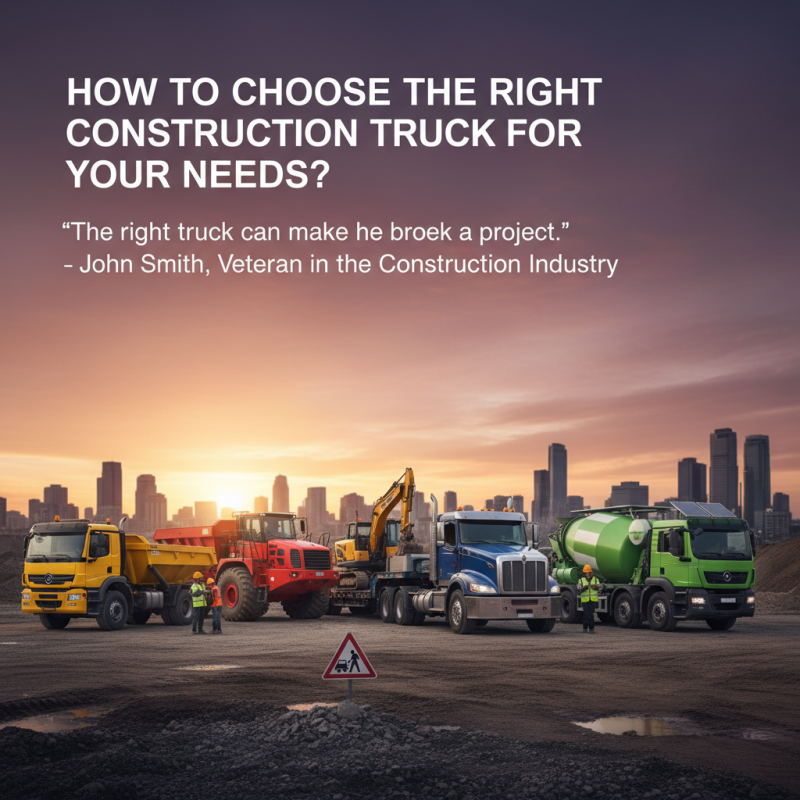
Table of Contents [Hide]
Understanding Your Construction Needs and Requirements
When selecting a construction truck, understanding your specific needs is crucial. According to a report by the American Trucking Associations, the right vehicle can improve efficiency by up to 25%. Assess the types of materials you'll transport. Each truck has its own capacity and specifications. For example, carrying heavy machinery requires a truck with a high payload.
Consider your work environment. Urban areas may necessitate smaller, more agile trucks. In contrast, rural projects might benefit from larger models with off-road capabilities. Additionally, ensure compliance with local regulations regarding size and weight limits.
Tips: Evaluate your budget, but don't compromise on durability. Investing in well-engineered trucks can save maintenance costs. Pay attention to fuel efficiency. A study indicated that efficient trucks reduce fuel costs by 15%. Inspect used models thoroughly; wear and tear can be deceiving. Balancing cost with reliability is key to making a sound investment.
How to Choose the Right Construction Truck for Your Needs? - Understanding Your Construction Needs and Requirements
| Truck Type | Load Capacity (lbs) | Engine Power (HP) | Fuel Type | Typical Usage |
|---|---|---|---|---|
| Pickup Truck | 3,000 - 6,500 | 200 - 400 | Gasoline/Diesel | Transport Materials |
| Dump Truck | 10,000 - 30,000 | 250 - 600 | Diesel | Construction Sites |
| Flatbed Truck | 15,000 - 40,000 | 300 - 500 | Diesel/Gasoline | Haul Heavy Equipment |
| Concrete Mixer Truck | 5,000 - 10,000 | 300 - 500 | Diesel | Mix Concrete On-Site |
| Water Truck | 5,000 - 10,000 | 250 - 450 | Diesel | Dust Control, Fire Fighting |