
- High-Performance Doors
-
- Applications
-
-
-
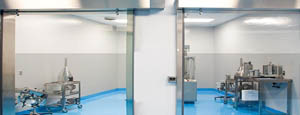
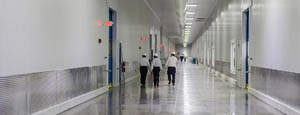
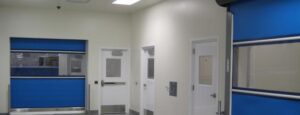
- Clean Room
Stainless steel or composite materials help maintain clean rooms.
-
-
- Coolers
Quick opening speeds & tight seals for temperature control.
-
-
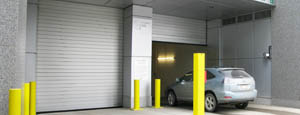
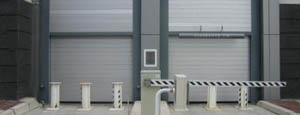
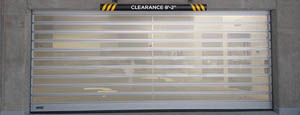
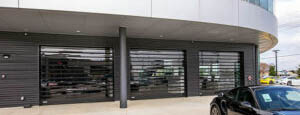
- Parking
Improve security & traffic flow and enhance architectural style.
-
-
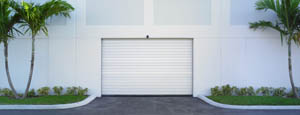
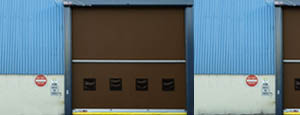
- Hurricane Zone
Withstand winds up to 175 mph and comply with the Florida Building Code.
-
-
-
-
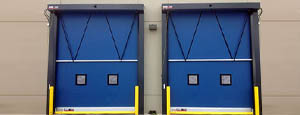
- USDA / FDA / cGMP
Increase productivity & address stringent USDA, FDA & cGMP requirements.
-
-
- Freezers
High-speed & perimeter seals minimize the air exchange between areas.
-
-
- Security
High speed & durability ensure secure access.
-
-
- Ventilation
Perforated or screen door panels allow improved air circulation.
-
-
-
-
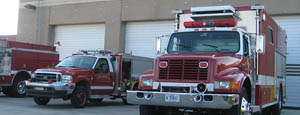
- Fire Station Emergency Response
When time is of the essence, high speed and reliability are crucial.
-
-
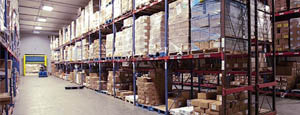
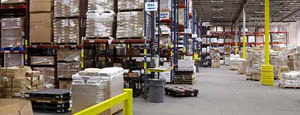
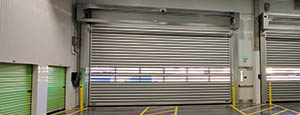
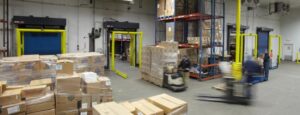
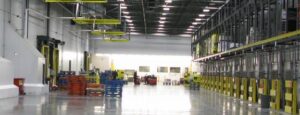
- Warehousing
Fast cycle times and secure seals keep environments separated.
-
-
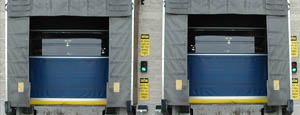
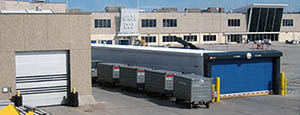
- Loading Dock
Rugged design & secure seal for oversized openings.
-
-
- Large Openings
Break-away functionality with rugged design seals oversized openings.
-
-
-
-
- Heavy Equipment
Withstands challenges of heavy equipment and fleet truck/car wash environments.
-
-
- Self-Storage
Fast opening speeds and reliable, durable construction keep facilities secure and protected.
-
-
- Industries
-
-
-
- Automotive Dealerships
Reduce energy costs, increase productivity and comfort and enhance customer perception.
-
-
- Cold Storage & Processing
Increase productivity and operational efficiency while reducing energy and maintenance costs.
-
-
- Parking
We offer solutions for Apartment / Condo & Loft, Standalone Parking Facilities and Office Buildings
-
-
-
-
- Food & Beverage
Doors specifically engineered for USDA/FDA and cGMP environments, and assured compliance for uncompromising performance.
-
-
- Mfg/Dist/Warehousing
A complete product line allows facilities to increase efficiency and safety and reduce maintenance and energy costs.
-
-
- Government
Ensure effective security and environmental controls are maintained for critical government operations.
-
-
-
-
- Transit
Keep operations running smoothly and efficient while reducing energy and maintenance costs.
-
-
- Pharma, Nutraceutical & Biotech
Doors that offer quick, secure access, environmental control and reliability for life science facilities.
-
-
- Support Resources
- Parts
- Contact Us
- Blog/News
- Why Rytec
- Sales Rep Locator
- Careers
- Dealers
- Architectural Resources


How to Choose a Chocopie Cake Production Line?
Choosing a Chocopie Cake Production Line requires more than comparing machine prices. It demands a clear view of product quality, factory space, labor, hygiene, and future demand. A Chocopie typically combines a soft baked shell, stable filling, chocolate coating, cooling, and protective packaging. Each stage can affect texture, appearance, shelf life, and production waste.
According to Grand View Research, the global bakery products market was valued at approximately USD 594 billion in 2023. The report also expects continued growth through 2030, driven by convenience foods and packaged snacks. This trend creates opportunities, but it also raises equipment expectations. PMMI industry reports emphasize automation, flexible packaging, and improved production efficiency as major priorities for food manufacturers. These findings suggest that a suitable Chocopie Cake Production Line should offer accurate depositing, consistent baking, controlled enrobing, and reliable packaging integration.
Look closely at the details.
Check the line’s hourly output against realistic orders, not optimistic brochures. Ask how quickly operators can change molds, fillings, or package sizes. Inspect stainless-steel construction, cleaning access, temperature controls, and traceability functions. Energy consumption deserves attention too, especially in ovens, cooling tunnels, and compressors. Some suppliers provide impressive specifications, yet service response may be unclear. That weakness can become expensive during peak production. Buyers should request sample testing, factory references, acceptance criteria, and total ownership costs before signing. The ideal Chocopie Cake Production Line is not always the largest or fastest option. It is the line that delivers repeatable quality, safe operation, maintainable performance, and room for thoughtful improvement.
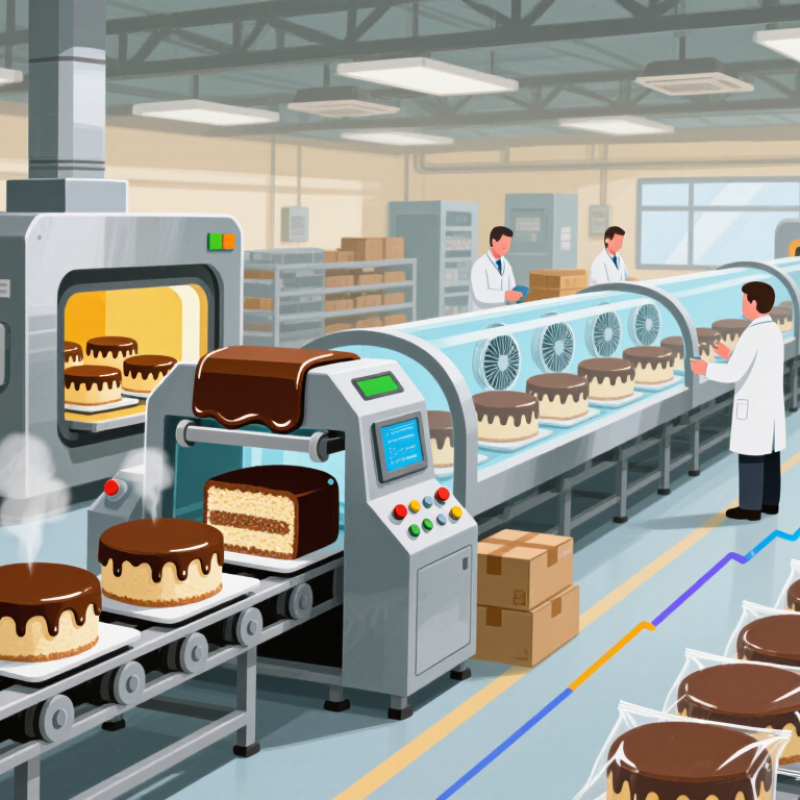
Table of Contents [Hide]
Define the Chocopie Cake Specifications and Production Goals
Define the Chocopie Cake Specifications and Production Goals
Before choosing a Chocopie cake production line, define the product precisely. Record cake diameter, thickness, filling weight, coating type, and target piece weight. A practical starting specification could be a 45-gram cake with a 10-gram cream center and a 2-millimeter chocolate coating. Small variations matter. They affect cooling time, packaging accuracy, and breakage rates.
Set measurable production goals. For example, target 3,000 pieces per hour, 98% weight compliance, and less than 2% coating defects. Grand View Research estimated the global bakery products market at about USD 594 billion in 2023. This scale increases pressure on manufacturers to improve consistency, not merely speed. Your line should match expected demand, labor availability, factory space, and future product variations. A large line can become an expensive underused asset.
Food safety goals need equal attention. Specify allergen controls, sanitation time, temperature records, and traceability requirements before equipment selection. HACCP-based planning can identify risks around cream filling and chocolate cooling. Our first production trial may still expose uneven filling or soft edges. That is useful evidence, not failure. Recheck the recipe, deposit accuracy, cooling airflow, and belt speed. A short pilot run often reveals more than a polished equipment brochure. Leave room for adjustment.