
- High-Performance Doors
-
- Applications
-
-
-
- Clean Room
Stainless steel or composite materials help maintain clean rooms.
-
-
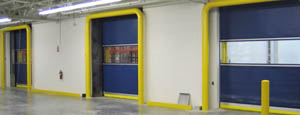
- Coolers
Quick opening speeds & tight seals for temperature control.
-
-
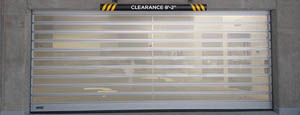
- Parking
Improve security & traffic flow and enhance architectural style.
-
-
- Hurricane Zone
Withstand winds up to 175 mph and comply with the Florida Building Code.
-
-
-
-
- USDA / FDA / cGMP
Increase productivity & address stringent USDA, FDA & cGMP requirements.
-
-
- Freezers
High-speed & perimeter seals minimize the air exchange between areas.
-
-
- Security
High speed & durability ensure secure access.
-
-
- Ventilation
Perforated or screen door panels allow improved air circulation.
-
-
-
-
- Fire Station Emergency Response
When time is of the essence, high speed and reliability are crucial.
-
-
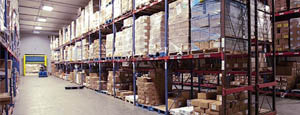
- Warehousing
Fast cycle times and secure seals keep environments separated.
-
-
- Loading Dock
Rugged design & secure seal for oversized openings.
-
-
- Large Openings
Break-away functionality with rugged design seals oversized openings.
-
-
-
-
- Heavy Equipment
Withstands challenges of heavy equipment and fleet truck/car wash environments.
-
-
- Self-Storage
Fast opening speeds and reliable, durable construction keep facilities secure and protected.
-
-
- Industries
-
-
-
- Automotive Dealerships
Reduce energy costs, increase productivity and comfort and enhance customer perception.
-
-
- Cold Storage & Processing
Increase productivity and operational efficiency while reducing energy and maintenance costs.
-
-
- Parking
We offer solutions for Apartment / Condo & Loft, Standalone Parking Facilities and Office Buildings
-
-
-
-
- Food & Beverage
Doors specifically engineered for USDA/FDA and cGMP environments, and assured compliance for uncompromising performance.
-
-
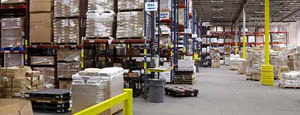
- Mfg/Dist/Warehousing
A complete product line allows facilities to increase efficiency and safety and reduce maintenance and energy costs.
-
-
- Government
Ensure effective security and environmental controls are maintained for critical government operations.
-
-
-
-
- Transit
Keep operations running smoothly and efficient while reducing energy and maintenance costs.
-
-
- Pharma, Nutraceutical & Biotech
Doors that offer quick, secure access, environmental control and reliability for life science facilities.
-
-
- Support Resources
- Parts
- Contact Us
- Blog/News
- Why Rytec
- Sales Rep Locator
- Careers
- Dealers
- Architectural Resources
















2026 How to Choose the Best Top Entry Ball Valve for Your Needs?
Choosing the right Top Entry Ball Valve is crucial for operational efficiency. According to a recent market report by the Valve Manufacturers Association, the global valve market is projected to reach $80 billion by 2026. This growth emphasizes the importance of selecting high-quality components. Industry expert John Smith, a recognized authority in valve technology, states, “The right valve choice can significantly affect system performance and longevity.”
The Top Entry Ball Valve offers unique advantages. Its design allows for easy maintenance and repair, reducing downtime in critical applications. However, not all valves are created equal. Factors such as materials, pressure ratings, and application compatibility must be considered. Many users overlook these details, leading to costly mistakes.
When evaluating potential options, consider performance data and manufacturer reputation. Relying solely on price may lead to subpar choices. As Smith warns, “A low-cost valve may mean high replacement costs.” Understanding these nuances helps ensure that your selection is effective and reliable. Choosing the right Top Entry Ball Valve is more than a purchase; it’s an investment in efficiency.
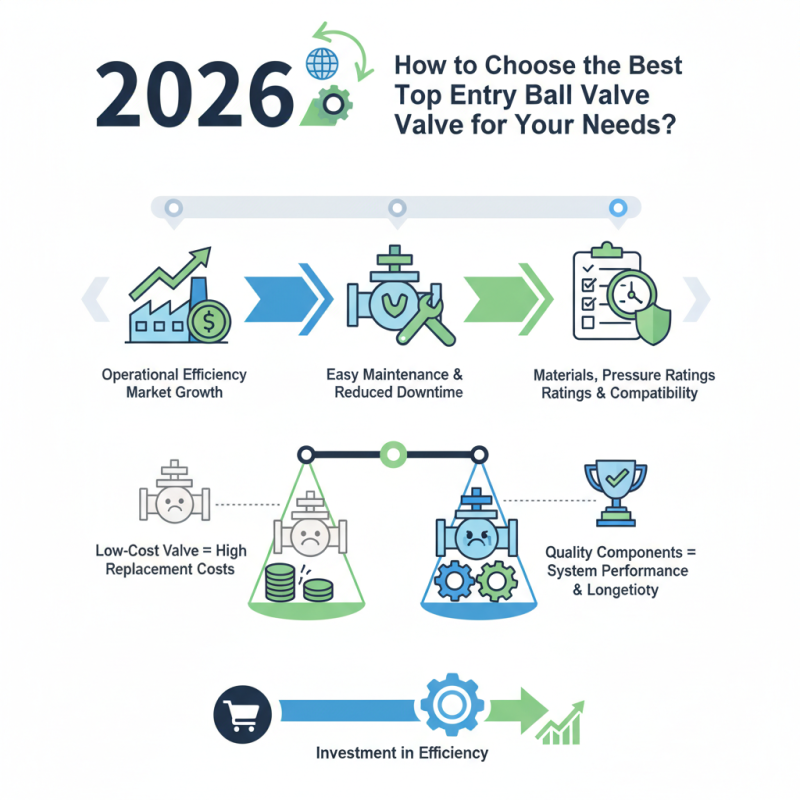
Table of Contents [Hide]
Understanding Top Entry Ball Valves and Their Applications
Top entry ball valves are crucial components in various industries, providing control over fluid flow. Their design allows for easy maintenance and repair. The top entry feature enables access to internal parts without removing the valve from the pipeline. This is especially beneficial for systems that are difficult to access.
These valves find applications in oil and gas, water treatment, and chemical processing. In oil and gas, they manage high-pressure fluid flows effectively. In water treatment facilities, they assist in regulating water supply. Chemical plants utilize them for safe handling of corrosive substances. Yet, each application has unique requirements. Misunderstanding these needs can lead to suboptimal performance.
Selecting the right top entry ball valve requires careful consideration. Factors like pressure rating, temperature, and material compatibility matter significantly. Sometimes, an option that seems perfect on paper may not perform well in real conditions. Gathering input from experienced professionals can help mitigate such risks. Balancing quality and cost remains a challenge that requires ongoing reflection.