
- High-Performance Doors
-
- Applications
-
-
-
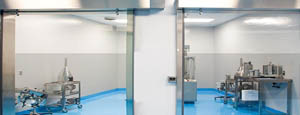
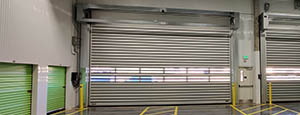
- Clean Room
Stainless steel or composite materials help maintain clean rooms.
-
-
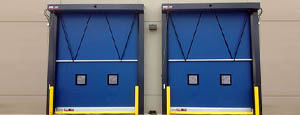
- Coolers
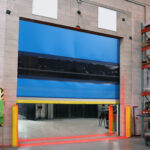
Quick opening speeds & tight seals for temperature control.
-
-
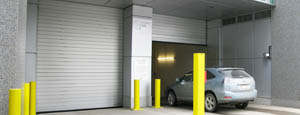
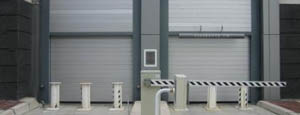
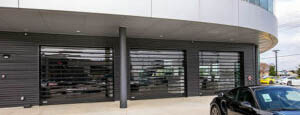
- Parking
Improve security & traffic flow and enhance architectural style.
-
-
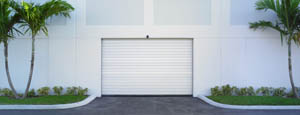
- Hurricane Zone
Withstand winds up to 175 mph and comply with the Florida Building Code.
-
-
-
-
- USDA / FDA / cGMP
Increase productivity & address stringent USDA, FDA & cGMP requirements.
-
-
- Freezers
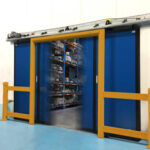
High-speed & perimeter seals minimize the air exchange between areas.
-
-
- Security
High speed & durability ensure secure access.
-
-
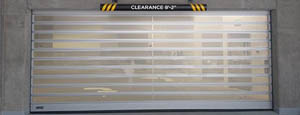
- Ventilation
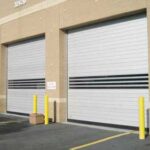
Perforated or screen door panels allow improved air circulation.
-
-
-
-
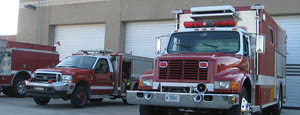
- Fire Station Emergency Response
When time is of the essence, high speed and reliability are crucial.
-
-
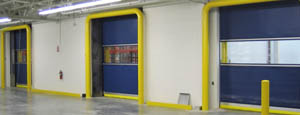
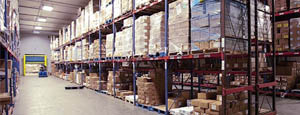
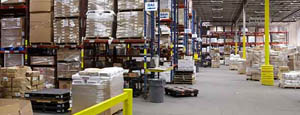
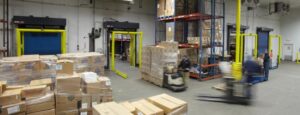
- Warehousing
Fast cycle times and secure seals keep environments separated.
-
-
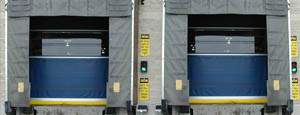
- Loading Dock
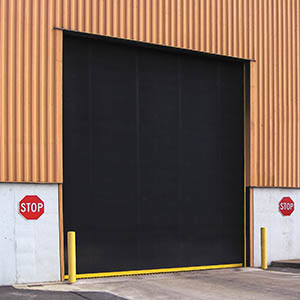
Rugged design & secure seal for oversized openings.
-
-
- Large Openings
Break-away functionality with rugged design seals oversized openings.
-
-
-
-
- Heavy Equipment
Withstands challenges of heavy equipment and fleet truck/car wash environments.
-
-
- Self-Storage
Fast opening speeds and reliable, durable construction keep facilities secure and protected.
-
-
- Industries
-
-
-
- Automotive Dealerships
Reduce energy costs, increase productivity and comfort and enhance customer perception.
-
-
- Cold Storage & Processing
Increase productivity and operational efficiency while reducing energy and maintenance costs.
-
-
- Parking
We offer solutions for Apartment / Condo & Loft, Standalone Parking Facilities and Office Buildings
-
-
-
-
- Food & Beverage
Doors specifically engineered for USDA/FDA and cGMP environments, and assured compliance for uncompromising performance.
-
-
- Mfg/Dist/Warehousing
A complete product line allows facilities to increase efficiency and safety and reduce maintenance and energy costs.
-
-
- Government
Ensure effective security and environmental controls are maintained for critical government operations.
-
-
-
-
- Transit
Keep operations running smoothly and efficient while reducing energy and maintenance costs.
-
-
- Pharma, Nutraceutical & Biotech
Doors that offer quick, secure access, environmental control and reliability for life science facilities.
-
-
- Support Resources
- Parts
- Contact Us
- Blog/News
- Why Rytec
- Sales Rep Locator
- Careers
- Dealers
- Architectural Resources




How to Choose the Best TL130 Bottom Roller?
Choosing the right Tl130 Bottom Roller is not a simple catalog exercise. It affects track alignment, vibration, seal life, and daily operating costs. A roller that looks identical may have a different shaft diameter, flange width, or mounting pattern. Small differences can cause rapid wear.
Industry reports show why this decision deserves careful attention. The 2024 Fortune Business Insights construction equipment report describes continuing global demand for earthmoving machinery. MarketsandMarkets also identifies maintenance efficiency and equipment uptime as major purchasing concerns. These findings support a practical point: undercarriage components deserve the same attention as engines and hydraulic systems. Caterpillar’s Undercarriage Management Guide further emphasizes inspection, correct adjustment, and operating conditions when managing roller life.
This guide explains how to assess a Tl130 Bottom Roller before ordering or installing it. The process includes comparing machine serial numbers, measuring the old roller, checking bolt spacing, and reviewing seal construction. Soil, slope, load, and track tension matter too. Mud packed around the flange tells a different story from dry quarry dust. A clean-looking roller can still be the wrong specification.
Parts documentation remains essential. Supplier claims should be checked against manufacturer data, dimensional drawings, and warranty terms. No checklist replaces measurement. That is an uncomfortable truth, especially when delivery pressure encourages quick substitutions. Some TL130 variants may also differ by production year or regional configuration. Buyers should confirm these details with a qualified dealer or experienced undercarriage technician before committing to the purchase.
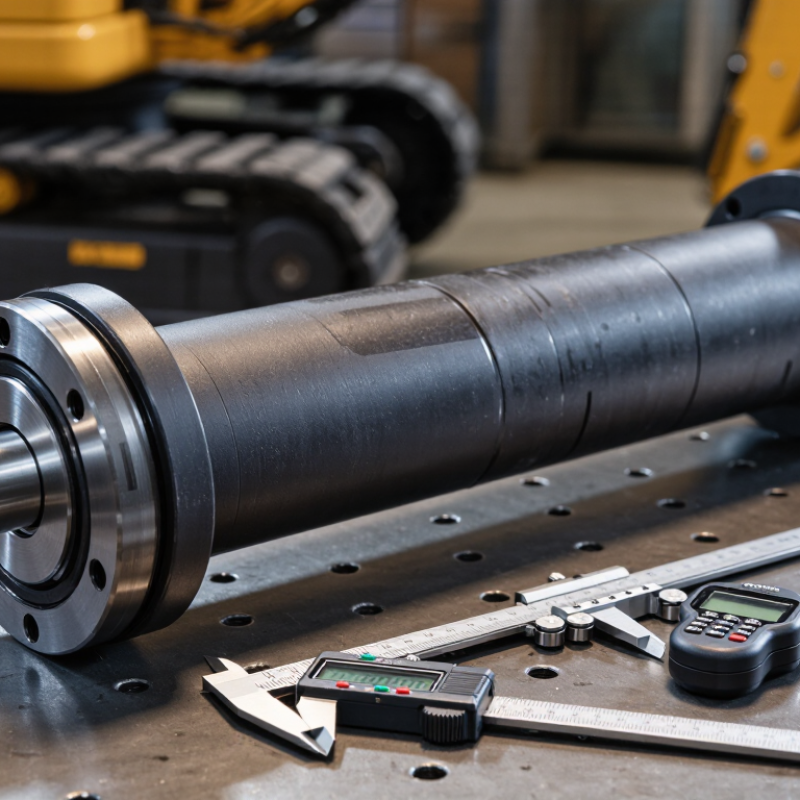
Table of Contents [Hide]
Understanding the Role of a TL130 Bottom Roller
How to Choose the Best TL130 Bottom Roller?
Understanding the Role of a TL130 Bottom Roller
The TL130 bottom roller supports the track chain beneath the machine. It transfers the machine’s weight to the ground. This component also helps maintain stable track movement during loading, grading, and turning. A worn roller can increase vibration, accelerate track wear, and affect steering control. Small errors matter.
During inspection, check the roller shell, flange, shaft, and seals. Look for oil leakage, deep scoring, uneven wear, or loose movement. Listen closely. A dry grinding sound may indicate damaged bearings or insufficient lubrication. In field maintenance, uneven wear often reveals poor track tension or misalignment. Replacing the roller alone may not solve the real problem. No inspection is perfect. A rushed judgment can mislead.
Choose a replacement by confirming the TL130 model, roller dimensions, shaft design, seal arrangement, and mounting requirements. The roller should match the machine’s operating weight and working conditions. Muddy sites demand strong sealing and regular cleaning. Rocky ground may require greater shell durability. Fit matters. During installation, clean the mounting area and follow verified torque specifications. Check track tension afterward, then monitor temperature and noise during the first operating hours. Record these observations for future maintenance decisions.