
- High-Performance Doors
-
- Applications
-
-
-
- Clean Room
Stainless steel or composite materials help maintain clean rooms.
-
-
- Coolers
Quick opening speeds & tight seals for temperature control.
-
-
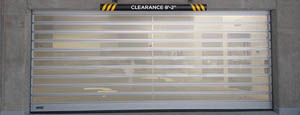
- Parking
Improve security & traffic flow and enhance architectural style.
-
-
- Hurricane Zone
Withstand winds up to 175 mph and comply with the Florida Building Code.
-
-
-
-
- USDA / FDA / cGMP
Increase productivity & address stringent USDA, FDA & cGMP requirements.
-
-
- Freezers
High-speed & perimeter seals minimize the air exchange between areas.
-
-
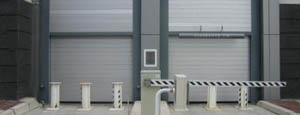
- Security
High speed & durability ensure secure access.
-
-
- Ventilation
Perforated or screen door panels allow improved air circulation.
-
-
-
-
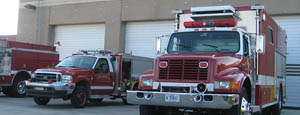
- Fire Station Emergency Response
When time is of the essence, high speed and reliability are crucial.
-
-
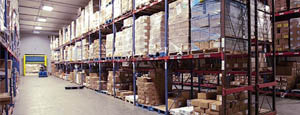
- Warehousing
Fast cycle times and secure seals keep environments separated.
-
-
- Loading Dock
Rugged design & secure seal for oversized openings.
-
-
- Large Openings
Break-away functionality with rugged design seals oversized openings.
-
-
-
-
- Heavy Equipment
Withstands challenges of heavy equipment and fleet truck/car wash environments.
-
-
- Self-Storage
Fast opening speeds and reliable, durable construction keep facilities secure and protected.
-
-
- Industries
-
-
-
- Automotive Dealerships
Reduce energy costs, increase productivity and comfort and enhance customer perception.
-
-
- Cold Storage & Processing
Increase productivity and operational efficiency while reducing energy and maintenance costs.
-
-
- Parking
We offer solutions for Apartment / Condo & Loft, Standalone Parking Facilities and Office Buildings
-
-
-
-
- Food & Beverage
Doors specifically engineered for USDA/FDA and cGMP environments, and assured compliance for uncompromising performance.
-
-
- Mfg/Dist/Warehousing
A complete product line allows facilities to increase efficiency and safety and reduce maintenance and energy costs.
-
-
- Government
Ensure effective security and environmental controls are maintained for critical government operations.
-
-
-
-
- Transit
Keep operations running smoothly and efficient while reducing energy and maintenance costs.
-
-
- Pharma, Nutraceutical & Biotech
Doors that offer quick, secure access, environmental control and reliability for life science facilities.
-
-
- Support Resources
- Parts
- Contact Us
- Blog/News
- Why Rytec
- Sales Rep Locator
- Careers
- Dealers
- Architectural Resources






How to Choose the Best Sand Dredger for Your Project?
Choosing the right Sand Dredger can determine whether a project stays efficient or becomes unnecessarily expensive. The best machine is not always the largest one. It must match the material, water depth, production target, and discharge distance.
In real projects, sand conditions can change within a few meters. Fine sand may flow easily, while compacted layers require stronger cutting or suction performance. Start by measuring the expected volume, average particle size, dredging depth, and transport distance. Then compare pump capacity, power consumption, hull stability, pipe wear, and maintenance access. Small details matter. A blocked intake can stop an entire workday.
A reliable selection also considers the operator’s experience and the supplier’s technical support. Ask for verified performance data, service records, spare-parts availability, and references from comparable projects. Do not judge equipment by brochure capacity alone. Field output depends on weather, sediment density, pipeline layout, and crew skill. No choice is perfect. I have seen projects select powerful dredgers that later struggled with fuel costs and difficult maintenance. That mistake is avoidable through site testing and realistic calculations. Environmental controls should also guide the decision, including turbidity management, noise reduction, and safe operating procedures. This guide explains how to compare Sand Dredger types, evaluate total ownership costs, and build a practical shortlist. The goal is dependable production, not impressive specifications.
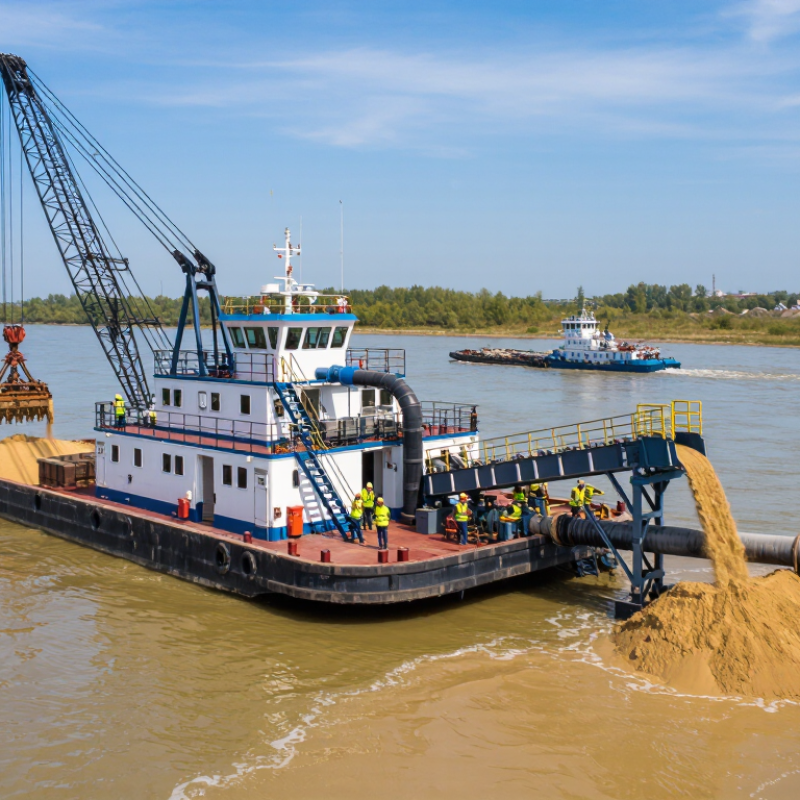
Table of Contents [Hide]
Project Requirements and Sand Dredging Objectives
Choosing the best sand dredger starts with your project requirements, not the machine’s advertised capacity. Define the sand volume, working depth, dredging distance, and target completion time. A shallow pond needs different equipment from a deep navigation channel. Material also matters. Fine sand, coarse sand, clay layers, and compacted deposits affect cutting power and pump performance.
Think about the final objective. Are you restoring water depth, reclaiming land, removing sediment, or supplying sand for construction? Each goal changes the suitable dredger type, discharge system, and operating method. Measure the transport route carefully. A long discharge pipeline can reduce output and increase energy use. Site access is important too. Narrow banks, weak ground, and nearby structures may limit equipment size. I have seen projects lose time because access was checked too late.
Tips: Record sediment test results before choosing equipment. Estimate daily production using real site conditions, not ideal figures. Leave room for weather delays and maintenance. A small field trial can reveal problems that drawings miss.
Reliable planning also includes water quality controls, noise limits, worker safety, and local approvals. These requirements should be discussed with qualified engineers and relevant authorities. Do not select a dredger only by its maximum depth. That figure may not reflect stable production in your soil. My own preference is to compare practical output, service support, fuel use, and recovery time. The cheapest option can become expensive when performance assumptions prove wrong.
| Project Requirement | Key Data to Confirm | Typical Project Range or Condition | Suitable Dredger Direction | Selection Priority | Why It Matters |
|---|---|---|---|---|---|
| Dredging Objective | Primary purpose of the operation | Sand mining, channel deepening, pond excavation, harbor maintenance, beach nourishment, or reclamation | Match the dredger configuration to the work method, production target, and discharge arrangement | Very High | The same machine may not be equally effective for extraction, transport, underwater excavation, and land reclamation. |
| Material Type | Particle size, density, cohesion, and contamination level | Fine sand, medium sand, coarse sand, sand mixed with silt, gravel, clay, or shell fragments | Use a cutter suction dredger for compacted or mixed deposits; use a suction dredger for relatively loose sand | Very High | Material characteristics affect cutting resistance, pump wear, production rate, and the risk of pipeline blockage. |
| Required Production | Target output in cubic meters per hour and total volume | Small maintenance work: under 200 m³/h; medium projects: about 200–800 m³/h; larger operations: above 800 m³/h | Select pump capacity, ladder or cutter power, and hull size according to the required hourly output | Very High | Production should be based on in-situ volume, expected solids concentration, operating hours, and site efficiency rather than pump size alone. |
| Dredging Depth | Minimum and maximum working depth | Shallow ponds and canals, typically below 6 m; river and harbor work may require 6–20 m or more | Choose a compact shallow-water dredger for restricted sites or a deep-dredging configuration for greater reach | Very High | Available ladder length, suction pipe arrangement, spud system, and vessel draft must suit the operating depth. |
| Waterway Access | Navigation width, water depth, turning area, and transport limitations | Narrow canals, shallow rivers, reservoirs, open coastal water, or confined construction sites | Consider modular, sectional, amphibious, or compact dredgers where transport and maneuverability are limited | Very High | A dredger that cannot reach, launch, turn, or safely position at the site will not achieve its rated performance. |
| Discharge Distance | Distance from the dredging area to the disposal or reclamation point | Short discharge below 300 m; medium discharge about 300–1,000 m; long discharge above 1,000 m | Size the slurry pump, pipeline diameter, booster pumps, and pipeline route for the actual distance and elevation | Very High | Long pipelines and elevation changes increase friction losses and may reduce delivered production if not properly designed. |
| Required Solids Concentration | Desired solids content in the pumped slurry | Often approximately 10%–25% by volume, depending on soil, pump type, and operating conditions | Optimize cutter action, suction conditions, pump selection, and pipeline velocity for stable slurry transport | Very High | Higher solids concentration can improve transport efficiency, but excessive concentration may cause blockage, overloading, or unstable pumping. |
| Sand Quality Objective | Required cleanliness, grading, and allowable fines content | General fill, construction sand, concrete aggregate feedstock, or beach nourishment material | Plan for screening, hydrocycloning, dewatering, or stockpiling when the raw deposit does not meet specifications | Very High | Dredging equipment removes or transports material; it does not automatically guarantee the final sand quality required by the end user. |
| Operating Environment | Freshwater or seawater, waves, currents, wind, temperature, and water-level variation | Calm inland water, tidal estuary, exposed coast, or seasonal reservoir | Use a more robust positioning and anchoring system for currents, waves, and changing water levels | Very High | Environmental conditions influence stability, spud holding capacity, pipeline movement, work windows, and operator safety. |
| Positioning Method | Required dredging accuracy and movement pattern | Fixed excavation area, progressive channel cut, sweeping basin, or precise slope formation | Choose spuds, anchors, winches, or a combination based on accuracy, mobility, and site constraints | High | Accurate positioning helps achieve design grades and reduces over-dredging, rework, and unnecessary fuel consumption. |
| Power Availability | Fuel access, electricity availability, and local emissions requirements | Diesel-powered remote site, grid-connected industrial site, or low-emission urban project | Compare diesel-electric, direct diesel, and electric drive systems according to infrastructure and environmental rules | Very High | Power availability affects operating continuity, energy cost, maintenance planning, and compliance with local regulations. |
| Fuel and Energy Efficiency | Expected operating hours, fuel consumption, and load profile | Continuous production shifts, intermittent maintenance work, or seasonal campaigns | Evaluate energy consumption per cubic meter of delivered solids instead of comparing engine power alone | High | A higher-rated machine is not always more economical if it is frequently operated below its efficient working load. |
| Pipeline Requirements | Pipeline diameter, length, buoyancy, bends, and discharge elevation | Floating pipeline, submerged pipeline, shore pipeline, or a combined route | Design the pipeline system together with the pump to maintain sufficient slurry velocity and manageable pressure loss | Very High | Pipeline design directly affects pressure, wear, blockage risk, discharge stability, and total project output. |
| Mobility and Relocation | Frequency of moving between excavation areas | Single fixed site, several nearby work zones, or repeated transport between remote locations | Use a modular or self-propelled arrangement when frequent relocation is more important than maximum stationary output | High | Transport and setup time can significantly reduce productive hours, especially on short-duration projects. |
| Maintenance Capability | Availability of technicians, spare parts, lifting equipment, and workshop support | Remote site with limited support or established industrial maintenance facilities | Prioritize accessible wear parts, standard components, onboard monitoring, and practical maintenance procedures | Very High | Downtime from worn pumps, cutters, liners, or seals can eliminate the expected productivity advantage of a larger dredger. |
| Environmental Controls | Turbidity, noise, fuel spill risk, and disposal restrictions | Open industrial area, drinking-water reservoir, protected wetland, or urban waterfront | Consider silt curtains, controlled production, closed discharge systems, spill-prevention equipment, and low-noise operation | Very High | Permits may limit working hours, turbidity levels, disposal methods, and equipment emissions. |
| Project Schedule | Required completion date and workable season | Short emergency campaign, fixed construction deadline, or long-term commercial extraction | Balance rated production with mobilization time, weather downtime, maintenance intervals, and permitting requirements | Very High | Realistic daily output is normally lower than theoretical capacity because of positioning, pipeline changes, weather, and maintenance. |
| Total Project Cost | Capital cost, mobilization, fuel, labor, maintenance, disposal, and demobilization | Short-term rental or contract work versus long-term ownership and continuous utilization | Compare total cost per delivered cubic meter over the complete project life cycle | Very High | The lowest purchase price may result in a higher total cost if the dredger has poor efficiency, limited reach, or frequent downtime. |
| Safety Requirements | Personnel exposure, moving equipment, electrical systems, navigation, and emergency access | Small crew operation, commercial waterway, deep excavation, or high-traffic marine site | Require guarding, emergency stops, safe access, alarms, navigation lighting, and documented operating procedures | Very High | Safe equipment layout and operating procedures reduce the risk of injury, collision, entanglement, and uncontrolled discharge. |
| Final Selection Check | Performance verification against site conditions | Confirmed soil data, bathymetric survey, production calculation, pipeline design, and environmental constraints | Request a project-specific configuration and validate expected output using measured site data | Very High | A final selection should be based on verified site parameters rather than a general equipment rating or nominal pump capacity. |