
- High-Performance Doors
-
- Applications
-
-
-
- Clean Room
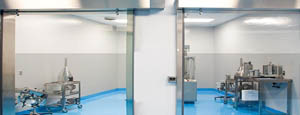
Stainless steel or composite materials help maintain clean rooms.
-
-
- Coolers
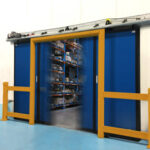
Quick opening speeds & tight seals for temperature control.
-
-
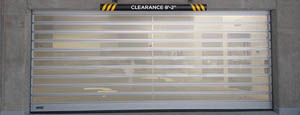
- Parking
Improve security & traffic flow and enhance architectural style.
-
-
- Hurricane Zone
Withstand winds up to 175 mph and comply with the Florida Building Code.
-
-
-
-
- USDA / FDA / cGMP
Increase productivity & address stringent USDA, FDA & cGMP requirements.
-
-
- Freezers
High-speed & perimeter seals minimize the air exchange between areas.
-
-
- Security
High speed & durability ensure secure access.
-
-
- Ventilation
Perforated or screen door panels allow improved air circulation.
-
-
-
-
- Fire Station Emergency Response
When time is of the essence, high speed and reliability are crucial.
-
-
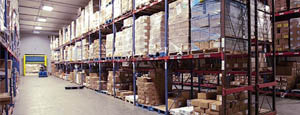
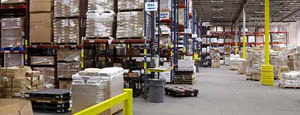
- Warehousing
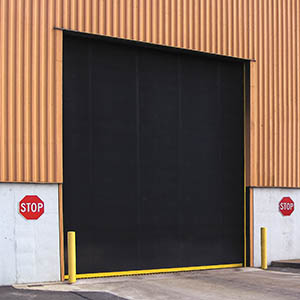
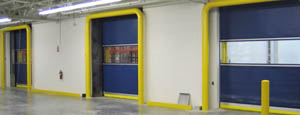
Fast cycle times and secure seals keep environments separated.
-
-
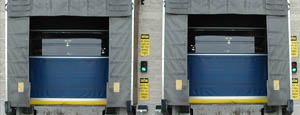
- Loading Dock
Rugged design & secure seal for oversized openings.
-
-
- Large Openings
Break-away functionality with rugged design seals oversized openings.
-
-
-
-
- Heavy Equipment
Withstands challenges of heavy equipment and fleet truck/car wash environments.
-
-
- Self-Storage
Fast opening speeds and reliable, durable construction keep facilities secure and protected.
-
-
- Industries
-
-
-
- Automotive Dealerships
Reduce energy costs, increase productivity and comfort and enhance customer perception.
-
-
- Cold Storage & Processing
Increase productivity and operational efficiency while reducing energy and maintenance costs.
-
-
- Parking
We offer solutions for Apartment / Condo & Loft, Standalone Parking Facilities and Office Buildings
-
-
-
-
- Food & Beverage
Doors specifically engineered for USDA/FDA and cGMP environments, and assured compliance for uncompromising performance.
-
-
- Mfg/Dist/Warehousing
A complete product line allows facilities to increase efficiency and safety and reduce maintenance and energy costs.
-
-
- Government
Ensure effective security and environmental controls are maintained for critical government operations.
-
-
-
-
- Transit
Keep operations running smoothly and efficient while reducing energy and maintenance costs.
-
-
- Pharma, Nutraceutical & Biotech
Doors that offer quick, secure access, environmental control and reliability for life science facilities.
-
-
- Support Resources
- Parts
- Contact Us
- Blog/News
- Why Rytec
- Sales Rep Locator
- Careers
- Dealers
- Architectural Resources















How to Choose the Best Industrial Defoamer for Your Process
Choosing the best Industrial Defoamer is not a matter of selecting the strongest product. It requires matching chemistry, process conditions, and production targets. Foam can reduce tank capacity, disrupt filtration, slow filling, and create inconsistent surface quality. In a paper mill, one unstable foam layer may affect drainage within minutes. In wastewater treatment, excess foam can also signal biological or chemical imbalance.
Market research shows why this decision deserves careful attention. Grand View Research identifies water treatment, paints and coatings, food processing, and pulp and paper as important defoamer application sectors. Its industry analysis also highlights growing demand for process efficiency and lower operating waste. MarketsandMarkets similarly reports that silicone, mineral oil, and water-based defoamers serve different performance requirements across industrial applications. These reports provide useful direction, but they do not replace plant-specific evidence.
Start with the foam mechanism. Is the foam caused by surfactants, proteins, air entrainment, or high-speed mixing? Then examine temperature, pH, shear, residence time, and downstream compatibility. A product that works in a cold laboratory beaker may fail inside a 90°C process vessel. The wrong dosage can create deposits, surface defects, or wastewater complications. That assumption is often wrong.
Reliable selection combines supplier documentation, technical data sheets, and controlled trials. Compare knockdown speed, persistence, dosage, dispersion, and final-product impact. Request independent testing where quality risks are significant. The best choice is rarely the cheapest drum. It is the product that remains stable, measurable, and compatible under real operating conditions. No spreadsheet replaces a plant trial.
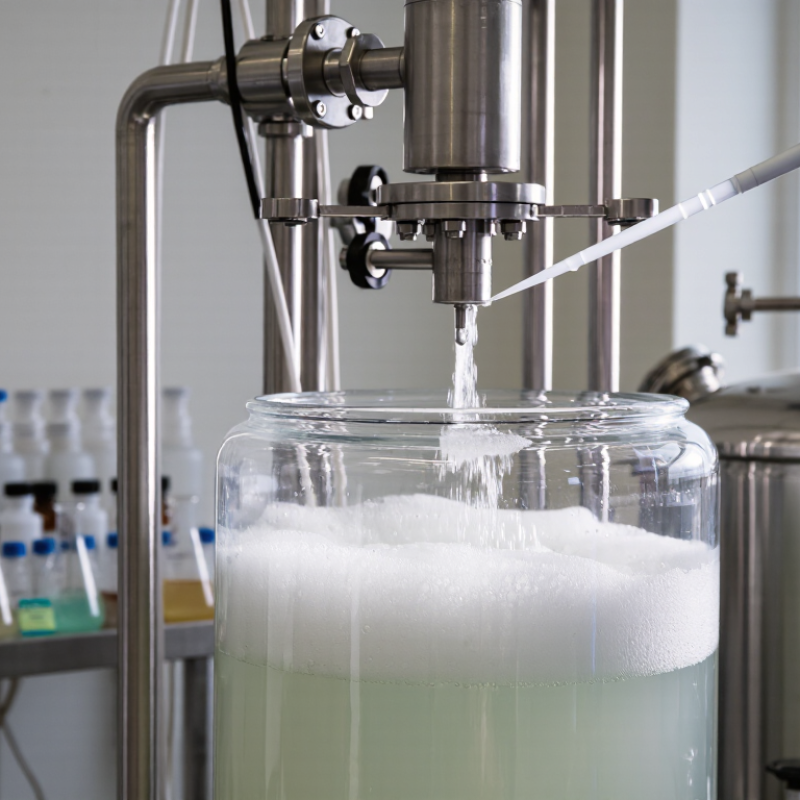
Table of Contents [Hide]
Define the Role of Defoamers in Industrial Processes
In industrial processes, defoamers control unwanted foam during mixing, pumping, heating, and filling. Foam can reduce tank capacity and interrupt stable production. It may also trap air, causing inaccurate volume measurements or surface defects. A defoamer works by weakening foam films and helping bubbles collapse. Its role is practical, not cosmetic. The correct product protects process consistency without changing the main formulation.
Selection should begin with the foam’s cause. High-speed agitation, surfactants, temperature changes, and contamination can create different foam patterns. A defoamer suitable for wastewater may perform poorly in coatings or chemical processing. Check viscosity, pH, temperature, and contact time before testing. Add small doses during a controlled trial. Observe foam height, bubble recovery, surface appearance, and filtration behavior. In my experience, overdosing often creates new defects. That mistake is easy to make.
Tips:
- Test at real operating temperature.
- Compare several dosages.
- Watch the process after one hour, not only immediately.
- Check whether the defoamer affects gloss, adhesion, clarity, or downstream separation.
- Keep detailed trial records, including mixing speed and addition point.
- A perfect choice is uncommon.
- Reassessment may be necessary when raw materials or equipment change.