
- High-Performance Doors
-
- Applications
-
-
-
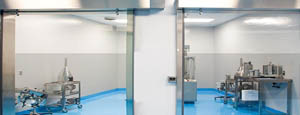
- Clean Room
Stainless steel or composite materials help maintain clean rooms.
-
-
- Coolers
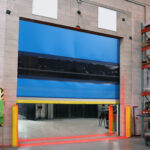
Quick opening speeds & tight seals for temperature control.
-
-
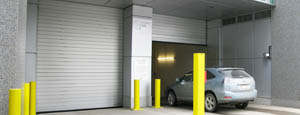
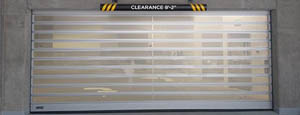
- Parking
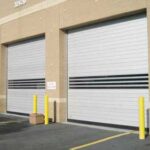
Improve security & traffic flow and enhance architectural style.
-
-
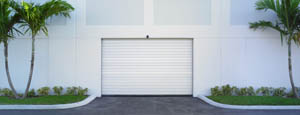
- Hurricane Zone
Withstand winds up to 175 mph and comply with the Florida Building Code.
-
-
-
-
- USDA / FDA / cGMP
Increase productivity & address stringent USDA, FDA & cGMP requirements.
-
-
- Freezers
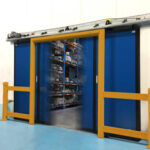
High-speed & perimeter seals minimize the air exchange between areas.
-
-
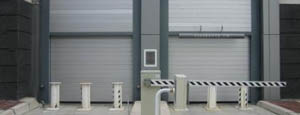
- Security
High speed & durability ensure secure access.
-
-
- Ventilation
Perforated or screen door panels allow improved air circulation.
-
-
-
-
- Fire Station Emergency Response
When time is of the essence, high speed and reliability are crucial.
-
-
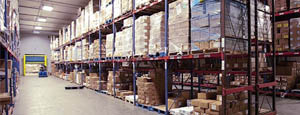
- Warehousing
Fast cycle times and secure seals keep environments separated.
-
-
- Loading Dock
Rugged design & secure seal for oversized openings.
-
-
- Large Openings
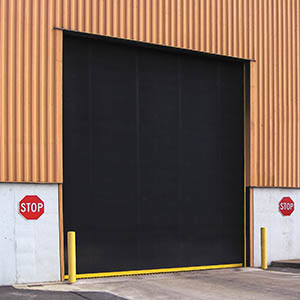
Break-away functionality with rugged design seals oversized openings.
-
-
-
-
- Heavy Equipment
Withstands challenges of heavy equipment and fleet truck/car wash environments.
-
-
- Self-Storage
Fast opening speeds and reliable, durable construction keep facilities secure and protected.
-
-
- Industries
-
-
-
- Automotive Dealerships
Reduce energy costs, increase productivity and comfort and enhance customer perception.
-
-
- Cold Storage & Processing
Increase productivity and operational efficiency while reducing energy and maintenance costs.
-
-
- Parking
We offer solutions for Apartment / Condo & Loft, Standalone Parking Facilities and Office Buildings
-
-
-
-
- Food & Beverage
Doors specifically engineered for USDA/FDA and cGMP environments, and assured compliance for uncompromising performance.
-
-
- Mfg/Dist/Warehousing
A complete product line allows facilities to increase efficiency and safety and reduce maintenance and energy costs.
-
-
- Government
Ensure effective security and environmental controls are maintained for critical government operations.
-
-
-
-
- Transit
Keep operations running smoothly and efficient while reducing energy and maintenance costs.
-
-
- Pharma, Nutraceutical & Biotech
Doors that offer quick, secure access, environmental control and reliability for life science facilities.
-
-
- Support Resources
- Parts
- Contact Us
- Blog/News
- Why Rytec
- Sales Rep Locator
- Careers
- Dealers
- Architectural Resources







How to Choose the Best HDPE Floater in 2026?
Choosing the best Hdpe Floater in 2026 requires more than comparing prices or attractive product photos. Real performance depends on buoyancy, wall thickness, material quality, and installation conditions. A reliable floater should support the planned load without sitting dangerously low in the water. It should also resist ultraviolet exposure, saltwater, impact, and repeated temperature changes.
In practical projects, small details often decide long-term stability. Check the float’s dimensions, closed-cell structure, welding quality, and connection points. A poorly finished joint may collect water or weaken under movement. Review technical datasheets carefully, then compare them with independent test results when available. Manufacturers with traceable production records and clear warranty terms usually inspire greater confidence. However, certificates alone do not guarantee suitability.
Water conditions deserve close attention. Calm ponds, tidal marinas, rivers, and offshore areas create different stresses. A float designed for sheltered water may fail in strong waves. Calculate the total load, including people, equipment, frames, and safety margins. Leave enough reserve buoyancy. Too little reserve can make a platform unstable.
There is no universal best choice. Even experienced buyers can overlook changing weather, local currents, or future equipment weight. I have found that a simple load sketch and site inspection often reveal more than a sales brochure. In 2026, the strongest buying decision will combine verified data, field experience, and honest attention to uncertainty. Choose the Hdpe Floater that fits the application, not merely the one with the lowest quoted cost.
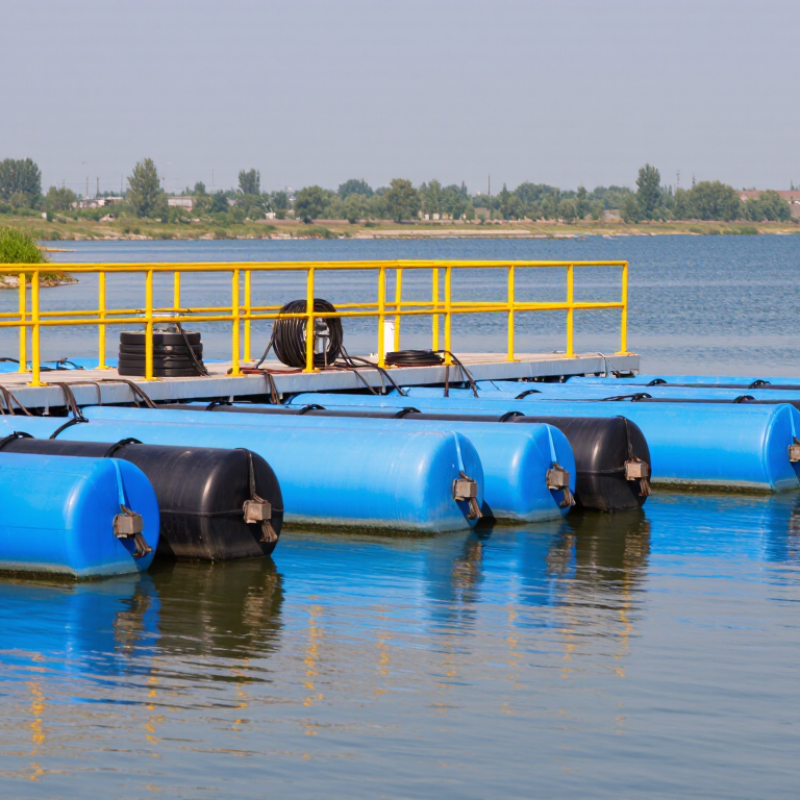
Table of Contents [Hide]
HDPE Floater Basics: Materials, Structure, and Core Functions
How to Choose the Best HDPE Floater in 2026?
HDPE Floater Basics: Materials, Structure, and Core Functions
A reliable HDPE floater starts with the resin, not its appearance. High-density polyethylene offers low water absorption, good impact resistance, and stable performance outdoors. UV protection is also important, especially for floating platforms exposed to strong sunlight. Recycled content may reduce environmental impact, but its quality must be verified carefully. Inconsistent material can create weak spots.
The structure controls how the floater behaves on water. Check the wall thickness, internal ribs, connection points, and sealed chambers. Molded ribs should distribute loads instead of concentrating stress around one bolt. A sealed chamber improves buoyancy, while drainage details help prevent trapped water during maintenance. Size matters too. A large unit is not automatically safer. Its rated load should match people, equipment, waves, and safety margins.
Look closely at the connection system. It should resist movement without making installation unnecessarily difficult. During inspections, small cracks around fasteners often reveal poor stress distribution. That detail is easy to miss. Technical documents should state buoyancy, load capacity, temperature range, UV resistance, and test methods. Standards are useful, but field conditions still matter. I have seen calculations look perfect while floating equipment moved excessively in choppy water. A practical choice combines tested HDPE material, sound structure, clear data, and realistic site assessment.