
- High-Performance Doors
-
- Applications
-
-
-
- Clean Room
Stainless steel or composite materials help maintain clean rooms.
-
-
- Coolers
Quick opening speeds & tight seals for temperature control.
-
-
- Parking
Improve security & traffic flow and enhance architectural style.
-
-
- Hurricane Zone
Withstand winds up to 175 mph and comply with the Florida Building Code.
-
-
-
-
- USDA / FDA / cGMP
Increase productivity & address stringent USDA, FDA & cGMP requirements.
-
-
- Freezers
High-speed & perimeter seals minimize the air exchange between areas.
-
-
- Security
High speed & durability ensure secure access.
-
-
- Ventilation
Perforated or screen door panels allow improved air circulation.
-
-
-
-
- Fire Station Emergency Response
When time is of the essence, high speed and reliability are crucial.
-
-
- Warehousing
Fast cycle times and secure seals keep environments separated.
-
-
- Loading Dock
Rugged design & secure seal for oversized openings.
-
-
- Large Openings
Break-away functionality with rugged design seals oversized openings.
-
-
-
-
- Heavy Equipment
Withstands challenges of heavy equipment and fleet truck/car wash environments.
-
-
- Self-Storage
Fast opening speeds and reliable, durable construction keep facilities secure and protected.
-
-
- Industries
-
-
-
- Automotive Dealerships
Reduce energy costs, increase productivity and comfort and enhance customer perception.
-
-
- Cold Storage & Processing
Increase productivity and operational efficiency while reducing energy and maintenance costs.
-
-
- Parking
We offer solutions for Apartment / Condo & Loft, Standalone Parking Facilities and Office Buildings
-
-
-
-
- Food & Beverage
Doors specifically engineered for USDA/FDA and cGMP environments, and assured compliance for uncompromising performance.
-
-
- Mfg/Dist/Warehousing
A complete product line allows facilities to increase efficiency and safety and reduce maintenance and energy costs.
-
-
- Government
Ensure effective security and environmental controls are maintained for critical government operations.
-
-
-
-
- Transit
Keep operations running smoothly and efficient while reducing energy and maintenance costs.
-
-
- Pharma, Nutraceutical & Biotech
Doors that offer quick, secure access, environmental control and reliability for life science facilities.
-
-
- Support Resources
- Parts
- Contact Us
- Blog/News
- Why Rytec
- Sales Rep Locator
- Careers
- Dealers
- Architectural Resources


























How to Choose the Best Garage Door Opener in 2026?
Choosing the best garage door opener in 2026 means looking beyond price and brand names. The right model should match your door’s weight, daily use, and available power. A lightweight single-car door may need different support than a heavy, insulated double door. Check the manufacturer’s specifications before comparing features. That detail matters.
Drive type affects the experience at home. Belt-drive models often run quietly, while chain-drive units can be practical for detached garages. Screw-drive options may suit some setups, but climate and maintenance needs vary. Listen to a unit in operation if noise is a concern. A bedroom above the garage changes the decision. So does a tight budget.
Smart controls can let you check the door from your phone, but reliable basic operation still comes first. Look for safety features such as automatic reverse and photo-eye sensors, and confirm they are installed and tested correctly. A battery backup can help during a power outage. It is useful, not magic. Features also differ by model, so verify details in the product manual rather than relying on a listing.
This guide will compare opener types, lifting capacity, noise, connectivity, safety, installation, and long-term costs. It will also explain when professional assessment makes sense, especially if a door feels unusually heavy or moves unevenly. Those signs may point to a door problem, not an opener problem. The choice is not always obvious, and the most feature-packed model may not be the best fit.

Table of Contents
[Hide]
Assess Your Garage Door, Usage Patterns, and Household Needs
Start with the door. Check whether it is a single or double door, and look for its weight and size in the door documentation. The opener must be rated for that load. An opener cannot correct a door that sticks, sits crooked, or feels unusually heavy. If you notice those signs, arrange an inspection before choosing a motor. Springs can be dangerous to adjust without proper training. That detail is easy to overlook.
Next, consider how often the door moves and who uses it. A household that parks two cars and makes frequent trips may need a durable opener rated for regular daily cycles. If a bedroom sits above the garage, compare noise levels and drive styles; a quieter model may matter more than extra app features. Does the garage serve as your main entrance? Battery backup can help during power outages, while a keypad may suit family members who arrive separately. Still, more features are not always better. Match controls to your routines, then check the manual for sensor-testing and maintenance instructions. A few minutes of testing can reveal a problem before the door is needed in a hurry.
Related Posts
-
How to Choose the Best Remote Garage Door Opener for Your Home
-
What is a remote garage door opener and how does it work?
-
2026 Best Remote Garage Door Opener for Global Buyers?
-
How to Choose the Best Remote Garage Door Opener for Your Home
-
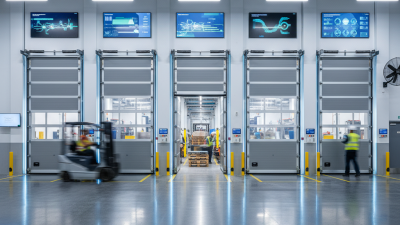
The Best 5 Reasons to Choose Rytec Doors for Your Business
-
The Ultimate Guide to Choosing Foldable Doors in 2026?