
- High-Performance Doors
-
- Applications
-
-
-
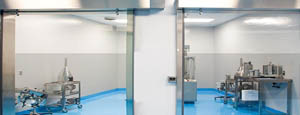
- Clean Room
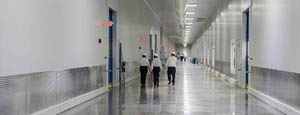
Stainless steel or composite materials help maintain clean rooms.
-
-
- Coolers
Quick opening speeds & tight seals for temperature control.
-
-
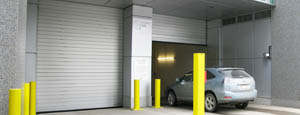
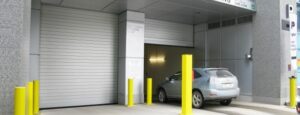
- Parking
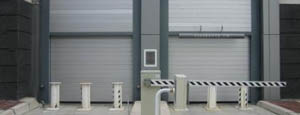
Improve security & traffic flow and enhance architectural style.
-
-
- Hurricane Zone
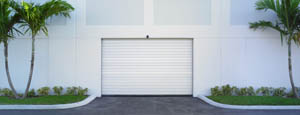
Withstand winds up to 175 mph and comply with the Florida Building Code.
-
-
-
-
- USDA / FDA / cGMP
Increase productivity & address stringent USDA, FDA & cGMP requirements.
-
-
- Freezers
High-speed & perimeter seals minimize the air exchange between areas.
-
-
- Security
High speed & durability ensure secure access.
-
-
- Ventilation
Perforated or screen door panels allow improved air circulation.
-
-
-
-
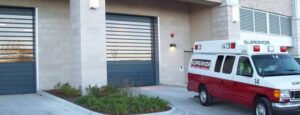
- Fire Station Emergency Response
When time is of the essence, high speed and reliability are crucial.
-
-
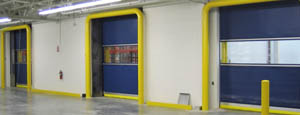
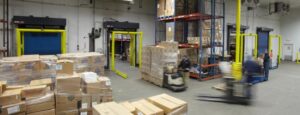
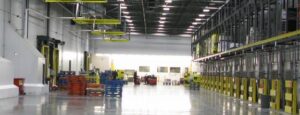
- Warehousing
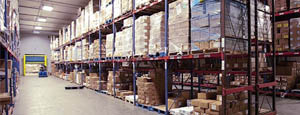
Fast cycle times and secure seals keep environments separated.
-
-
- Loading Dock
Rugged design & secure seal for oversized openings.
-
-
- Large Openings
Break-away functionality with rugged design seals oversized openings.
-
-
-
-
- Heavy Equipment
Withstands challenges of heavy equipment and fleet truck/car wash environments.
-
-
- Self-Storage
Fast opening speeds and reliable, durable construction keep facilities secure and protected.
-
-
- Industries
-
-
-
- Automotive Dealerships
Reduce energy costs, increase productivity and comfort and enhance customer perception.
-
-
- Cold Storage & Processing
Increase productivity and operational efficiency while reducing energy and maintenance costs.
-
-
- Parking
We offer solutions for Apartment / Condo & Loft, Standalone Parking Facilities and Office Buildings
-
-
-
-
- Food & Beverage
Doors specifically engineered for USDA/FDA and cGMP environments, and assured compliance for uncompromising performance.
-
-
- Mfg/Dist/Warehousing
A complete product line allows facilities to increase efficiency and safety and reduce maintenance and energy costs.
-
-
- Government
Ensure effective security and environmental controls are maintained for critical government operations.
-
-
-
-
- Transit
Keep operations running smoothly and efficient while reducing energy and maintenance costs.
-
-
- Pharma, Nutraceutical & Biotech
Doors that offer quick, secure access, environmental control and reliability for life science facilities.
-
-
- Support Resources
- Parts
- Contact Us
- Blog/News
- Why Rytec
- Sales Rep Locator
- Careers
- Dealers
- Architectural Resources
How to Choose the Best Firefighting Drone?
Choosing the best Firefighting Drone begins with the incident, not the camera.
A high-rise fire demands different capabilities than a grassland response. Heat resistance, flight endurance, thermal imaging, payload capacity, and weather stability can change operational results. A clear thermal image may reveal a trapped person through smoke. A stable video feed may help commanders track roof damage without sending crews into unnecessary danger.
Charles Werner, former Charlottesville Fire Chief and founder of DRONERESPONDERS, describes drones as “a force multiplier for public safety.” That idea matters, but it needs practical limits. A Firefighting Drone supports trained responders; it does not replace their judgment, communication, or rescue procedures.
Look closely at the details. Can the drone remain airborne during strong wind? Can its thermal sensor distinguish a hot roof from an active fire? Does the controller remain readable while wearing gloves? Battery swapping should be fast. Maintenance should be simple. Data storage should be secure and easy to review after an incident.
Small details matter.
Buyers should also examine pilot training, manufacturer support, spare parts, software updates, and integration with existing command systems. A lower purchase price may become expensive after repeated battery failures or unavailable repairs. That part is easy to underestimate.
There is no perfect aircraft for every department. A compact model may work well for rapid assessment, while a heavier platform may suit extended thermal monitoring. The right choice balances safety, evidence, reliability, and the uncomfortable possibility that advertised performance may not match harsh field conditions. Testing under realistic conditions remains essential before trusting any Firefighting Drone during a critical emergency.
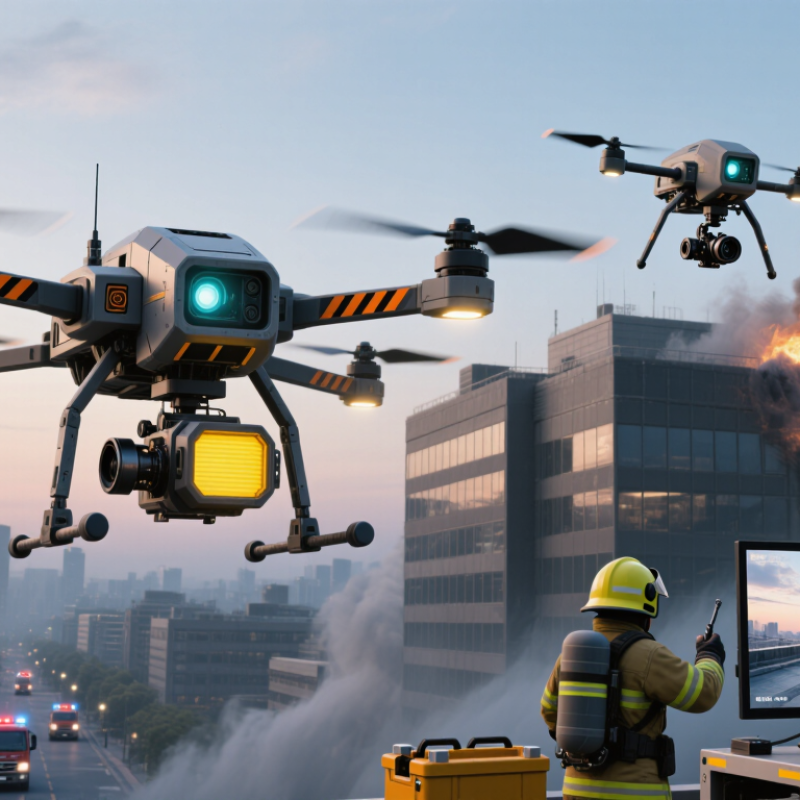
Table of Contents [Hide]
Understanding Firefighting Drones and Their Emergency Applications
Firefighting drones give emergency teams a safer view before people enter smoke-filled areas. They can map heat, locate trapped occupants, inspect roofs, and guide hose teams through blocked access routes. In a warehouse drill, a thermal camera may reveal a hot ceiling void hidden above ordinary smoke. Live video also helps incident commanders compare changing conditions from a safer distance. Visibility remains crucial.
When choosing a firefighting drone, examine thermal resolution, low-light video, flight endurance, weather protection, and secure communications. A useful payload may include a spotlight, loudspeaker, gas sensor, or compact water delivery system. Each addition affects weight and battery life. Obstacle avoidance can reduce collisions, but it cannot replace a trained pilot or a clear flight plan. Operators should test signal performance around concrete walls, metal structures, and heavy interference before an emergency. They must also follow local aviation and emergency-response requirements.
Water-carrying models can support limited suppression, yet they are not substitutes for fire engines or rescue crews. Strong winds, dense smoke, heat, and poor satellite signals may quickly reduce performance. This is where product claims need careful checking. A drone may look impressive during a calm demonstration and struggle beside a burning industrial building. Teams should record flight times, sensor errors, landing problems, and missed images during repeated drills. That evidence exposes weaknesses early, although no test perfectly reproduces a real emergency.