
- High-Performance Doors
-
- Applications
-
-
-
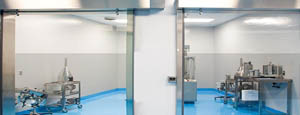
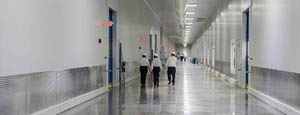
- Clean Room
Stainless steel or composite materials help maintain clean rooms.
-
-
- Coolers
Quick opening speeds & tight seals for temperature control.
-
-
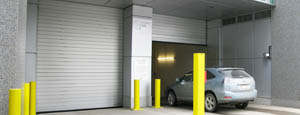
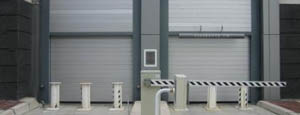
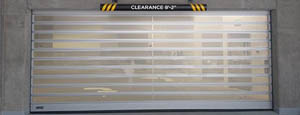
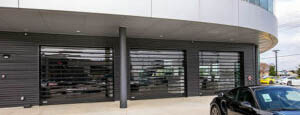
- Parking
Improve security & traffic flow and enhance architectural style.
-
-
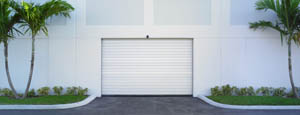
- Hurricane Zone
Withstand winds up to 175 mph and comply with the Florida Building Code.
-
-
-
-
- USDA / FDA / cGMP
Increase productivity & address stringent USDA, FDA & cGMP requirements.
-
-
- Freezers
High-speed & perimeter seals minimize the air exchange between areas.
-
-
- Security
High speed & durability ensure secure access.
-
-
- Ventilation
Perforated or screen door panels allow improved air circulation.
-
-
-
-
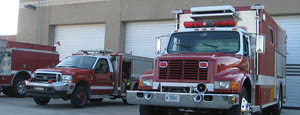
- Fire Station Emergency Response
When time is of the essence, high speed and reliability are crucial.
-
-
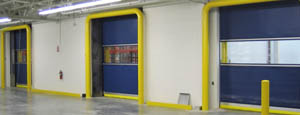
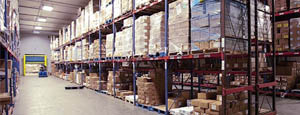
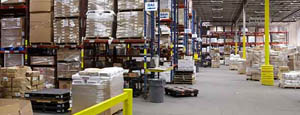
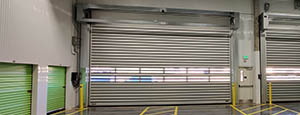
- Warehousing
Fast cycle times and secure seals keep environments separated.
-
-
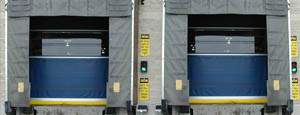
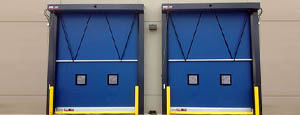
- Loading Dock
Rugged design & secure seal for oversized openings.
-
-
- Large Openings
Break-away functionality with rugged design seals oversized openings.
-
-
-
-
- Heavy Equipment
Withstands challenges of heavy equipment and fleet truck/car wash environments.
-
-
- Self-Storage
Fast opening speeds and reliable, durable construction keep facilities secure and protected.
-
-
- Industries
-
-
-
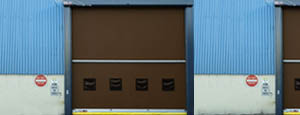
- Automotive Dealerships
Reduce energy costs, increase productivity and comfort and enhance customer perception.
-
-
- Cold Storage & Processing
Increase productivity and operational efficiency while reducing energy and maintenance costs.
-
-
- Parking
We offer solutions for Apartment / Condo & Loft, Standalone Parking Facilities and Office Buildings
-
-
-
-
- Food & Beverage
Doors specifically engineered for USDA/FDA and cGMP environments, and assured compliance for uncompromising performance.
-
-
- Mfg/Dist/Warehousing
A complete product line allows facilities to increase efficiency and safety and reduce maintenance and energy costs.
-
-
- Government
Ensure effective security and environmental controls are maintained for critical government operations.
-
-
-
-
- Transit
Keep operations running smoothly and efficient while reducing energy and maintenance costs.
-
-
- Pharma, Nutraceutical & Biotech
Doors that offer quick, secure access, environmental control and reliability for life science facilities.
-
-
- Support Resources
- Parts
- Contact Us
- Blog/News
- Why Rytec
- Sales Rep Locator
- Careers
- Dealers
- Architectural Resources

How to Choose the Best Auto Darkening Window Film
Choosing the best Auto Darkening Window Film requires more than comparing shade levels or price tags. The right film must balance glare control, heat reduction, visibility, durability, and installation quality.
The U.S. Department of Energy reports that windows can account for 25%–30% of residential heating and cooling energy use. The International Energy Agency also states that buildings represent about 30% of global final energy demand. These figures explain why responsive window technologies attract growing attention. Grand View Research projects strong expansion in the global smart glass market, but smart glass and retrofit film are not identical products. Treating them as interchangeable would be misleading.
Performance depends on the room.
Lawrence Berkeley National Laboratory researcher Dr. Stephen Selkowitz has emphasized the design challenge: “The challenge is to optimize the trade-offs between energy efficiency, daylighting, and occupant comfort.” That principle applies directly to Auto Darkening Window Film. A west-facing office may need stronger glare protection than a shaded bedroom. A film with excellent solar rejection may slightly reduce indoor brightness or alter exterior appearance. That trade-off is easy to overlook.
This guide examines visible light transmission, solar heat rejection, switching response, power requirements, adhesive quality, warranty terms, and compatibility with existing glass. It also considers real installation details, including edge finishing, wiring routes, and bubbles near window corners. Specifications can look impressive. Field performance may differ. Careful evaluation remains necessary, especially when product data lacks independent testing or long-term reliability evidence.
Table of Contents [Hide]
Understanding How Auto-Darkening Window Film Works
Auto-darkening window film changes its light transmission when conditions change. Some films react to ultraviolet light. Others use an electrical current to adjust embedded particles or crystals. These systems are not identical. A film that becomes dark in sunlight may not respond well behind UV-blocking glass. Electrically controlled film usually needs wiring, a switch, and a suitable power supply.
Watch the transition carefully. Photochromic film may darken gradually, like sunglasses left beside a bright window. Electrically controlled film can change faster, but its performance depends on voltage stability and temperature. In my experience, edge wiring and surface preparation matter as much as the film itself. Dust under the layer remains visible. Permanently. Ask for tested data on visible light transmission, switching time, heat reduction, and ultraviolet protection. Marketing language alone is weak evidence.
The best choice depends on the room, glass type, and control method. Measure morning glare and afternoon heat before selecting a darkness range. A bedroom may need stronger glare control than a shaded hallway. Check whether the film stays clear indoors. Some products look slightly hazy, especially at certain angles. That detail is easy to miss. I once focused too much on maximum darkness and overlooked nighttime clarity. A sample installed on the actual window can reveal color shifts, reflections, and uneven activation before full installation. Also confirm the film’s operating temperature, cleaning requirements, and expected service life from reliable technical documentation.