
- High-Performance Doors
-
- Applications
-
-
-
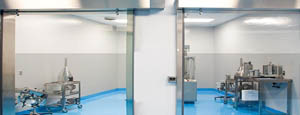
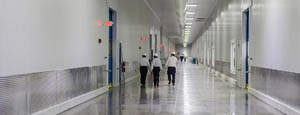
- Clean Room
Stainless steel or composite materials help maintain clean rooms.
-
-
- Coolers
Quick opening speeds & tight seals for temperature control.
-
-
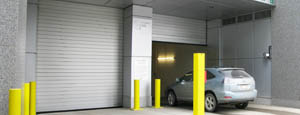
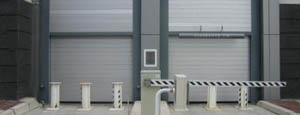
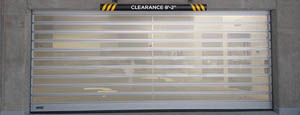
- Parking
Improve security & traffic flow and enhance architectural style.
-
-
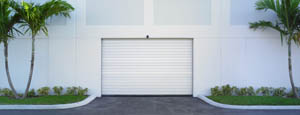
- Hurricane Zone
Withstand winds up to 175 mph and comply with the Florida Building Code.
-
-
-
-
- USDA / FDA / cGMP
Increase productivity & address stringent USDA, FDA & cGMP requirements.
-
-
- Freezers
High-speed & perimeter seals minimize the air exchange between areas.
-
-
- Security
High speed & durability ensure secure access.
-
-
- Ventilation
Perforated or screen door panels allow improved air circulation.
-
-
-
-
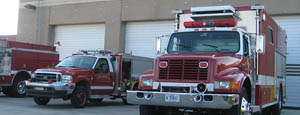
- Fire Station Emergency Response
When time is of the essence, high speed and reliability are crucial.
-
-
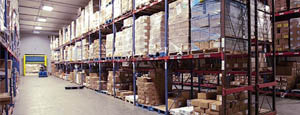
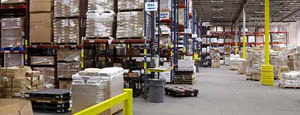
- Warehousing
Fast cycle times and secure seals keep environments separated.
-
-
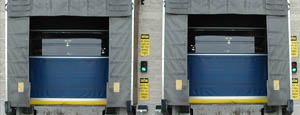
- Loading Dock
Rugged design & secure seal for oversized openings.
-
-
- Large Openings
Break-away functionality with rugged design seals oversized openings.
-
-
-
-
- Heavy Equipment
Withstands challenges of heavy equipment and fleet truck/car wash environments.
-
-
- Self-Storage
Fast opening speeds and reliable, durable construction keep facilities secure and protected.
-
-
- Industries
-
-
-
- Automotive Dealerships
Reduce energy costs, increase productivity and comfort and enhance customer perception.
-
-
- Cold Storage & Processing
Increase productivity and operational efficiency while reducing energy and maintenance costs.
-
-
- Parking
We offer solutions for Apartment / Condo & Loft, Standalone Parking Facilities and Office Buildings
-
-
-
-
- Food & Beverage
Doors specifically engineered for USDA/FDA and cGMP environments, and assured compliance for uncompromising performance.
-
-
- Mfg/Dist/Warehousing
A complete product line allows facilities to increase efficiency and safety and reduce maintenance and energy costs.
-
-
- Government
Ensure effective security and environmental controls are maintained for critical government operations.
-
-
-
-
- Transit
Keep operations running smoothly and efficient while reducing energy and maintenance costs.
-
-
- Pharma, Nutraceutical & Biotech
Doors that offer quick, secure access, environmental control and reliability for life science facilities.
-
-
- Support Resources
- Parts
- Contact Us
- Blog/News
- Why Rytec
- Sales Rep Locator
- Careers
- Dealers
- Architectural Resources




How to Choose the Right Trench Grating for Your Project?
Choosing the right Trench Grating for your project is crucial for safety and efficiency. Trench grating serves as a protective cover over trench drains, allowing for proper water drainage while preventing accidents. According to industry reports, improper grating can lead to costly maintenance and potential liability issues.
When selecting trench grating, consider factors such as material, load rating, and design. Materials like stainless steel, fiberglass, and aluminum each have unique advantages. For example, stainless steel offers durability but may be more expensive. On the other hand, fiberglass can be lightweight yet effective in specific environments. Knowing the expected load is essential. A grating not designed for high loads may fail, resulting in accidents.
Moreover, the aesthetic aspect shouldn't be overlooked. A well-chosen trench grating complements the surrounding architecture, adding value to the project. However, recognizing the trade-offs between cost and quality is vital. Sometimes, inexpensive options may provide subpar performance. Therefore, assessing your project requirements thoroughly will lead you to the best trench grating solution.

Table of Contents [Hide]
Understanding the Different Types of Trench Grating Materials
When selecting trench grating materials, several types come into play. Each type offers unique advantages suited for different environments. Steel grates are known for their strength and durability. They can withstand heavy loads, making them ideal for industrial settings. However, they may rust if not properly maintained.
Plastic trench grates, often made from polymer, are lightweight and resistant to corrosion. They are an excellent choice for areas exposed to chemicals. Their flexibility allows various designs that can enhance any project’s aesthetic. Yet, they may not support very heavy weights and can be less durable over time.
Tips: Consider your project's specific requirements. Evaluate the environmental factors, such as exposure to moisture or chemicals. Additionally, assess the load-bearing capacity needed. Installation ease also matters; some materials can be challenging to install without proper support. Always balance cost with performance. Each material has pros and cons, and reflecting on these factors will guide your decision.