
- High-Performance Doors
-
- Applications
-
-
-
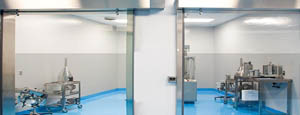
- Clean Room
Stainless steel or composite materials help maintain clean rooms.
-
-
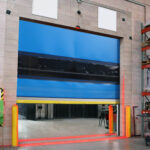
- Coolers
Quick opening speeds & tight seals for temperature control.
-
-
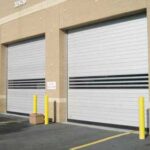
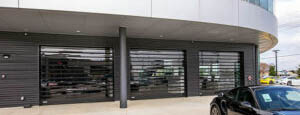
- Parking
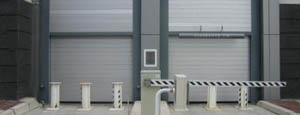
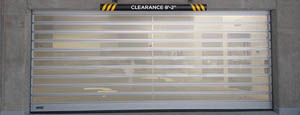
Improve security & traffic flow and enhance architectural style.
-
-
- Hurricane Zone
Withstand winds up to 175 mph and comply with the Florida Building Code.
-
-
-
-
- USDA / FDA / cGMP
Increase productivity & address stringent USDA, FDA & cGMP requirements.
-
-
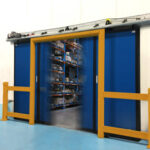
- Freezers
High-speed & perimeter seals minimize the air exchange between areas.
-
-
- Security
High speed & durability ensure secure access.
-
-
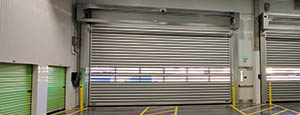
- Ventilation
Perforated or screen door panels allow improved air circulation.
-
-
-
-
- Fire Station Emergency Response
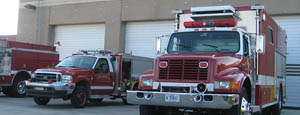
When time is of the essence, high speed and reliability are crucial.
-
-
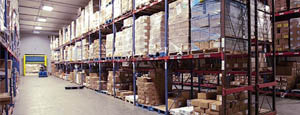
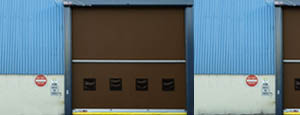
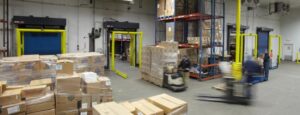
- Warehousing
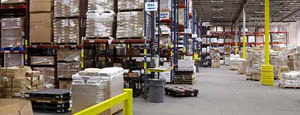
Fast cycle times and secure seals keep environments separated.
-
-
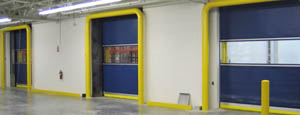
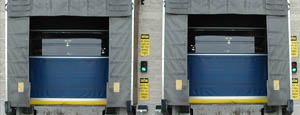
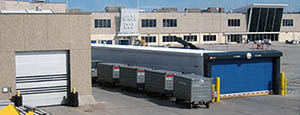
- Loading Dock
Rugged design & secure seal for oversized openings.
-
-
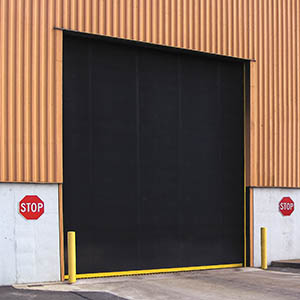
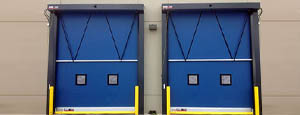
- Large Openings
Break-away functionality with rugged design seals oversized openings.
-
-
-
-
- Heavy Equipment
Withstands challenges of heavy equipment and fleet truck/car wash environments.
-
-
- Self-Storage
Fast opening speeds and reliable, durable construction keep facilities secure and protected.
-
-
- Industries
-
-
-
- Automotive Dealerships
Reduce energy costs, increase productivity and comfort and enhance customer perception.
-
-
- Cold Storage & Processing
Increase productivity and operational efficiency while reducing energy and maintenance costs.
-
-
- Parking
We offer solutions for Apartment / Condo & Loft, Standalone Parking Facilities and Office Buildings
-
-
-
-
- Food & Beverage
Doors specifically engineered for USDA/FDA and cGMP environments, and assured compliance for uncompromising performance.
-
-
- Mfg/Dist/Warehousing
A complete product line allows facilities to increase efficiency and safety and reduce maintenance and energy costs.
-
-
- Government
Ensure effective security and environmental controls are maintained for critical government operations.
-
-
-
-
- Transit
Keep operations running smoothly and efficient while reducing energy and maintenance costs.
-
-
- Pharma, Nutraceutical & Biotech
Doors that offer quick, secure access, environmental control and reliability for life science facilities.
-
-
- Support Resources
- Parts
- Contact Us
- Blog/News
- Why Rytec
- Sales Rep Locator
- Careers
- Dealers
- Architectural Resources







How to Choose the Right Brake Caliper Bracket for Your Vehicle?
Choosing the right Brake Caliper Bracket for your vehicle is crucial for safety and performance. Many vehicle owners overlook its importance, yet the Brake Caliper Bracket plays a vital role. A proper fit ensures effective braking.
Various factors influence the selection process. Understanding your vehicle's make and model is a fundamental step. Not every bracket fits every car. Quality matters too; cheap brackets can lead to problems. Striking a balance between cost and reliability is essential.
Many people rush this decision, which can be detrimental. Visual verification is vital. Examine existing parts before purchase. It’s okay to seek expert opinions. Engaging with professionals can clear up confusion. Remember, your choice impacts vehicle safety. Take the time to reflect on it.
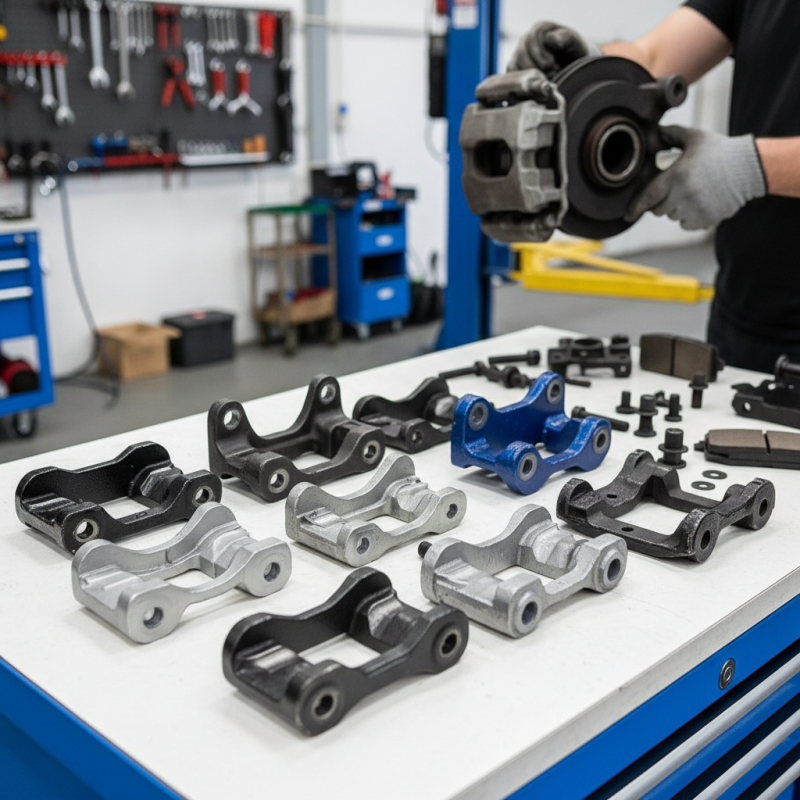
Table of Contents [Hide]
Understanding Brake Caliper Brackets and Their Functions
Brake caliper brackets play a critical role in your vehicle's braking system. These components hold the brake calipers in place, ensuring proper alignment with the brake rotors. Accurate alignment is essential for effective braking performance. According to industry data, a misaligned caliper can decrease braking efficiency by up to 30%. Such inefficiency can lead to longer stopping distances, a serious safety concern.
Choosing the right brake Caliper Bracket requires understanding its specifications. Each vehicle has unique requirements, often outlined in technical manuals. A mismatch can cause premature wear or failure.A study published by the Society of Automotive Engineers emphasizes the importance of compatibility. They found that 15% of issues related to brake failures stem from incorrect part selection, underscoring the need for precision.
Installation quality also matters. A poorly installed bracket can lead to uneven wear on the brake pads and rotors. This situation not only affects performance but can lead to costly repairs down the line. Regular inspections and choosing high-quality brackets can mitigate these risks. Experience shows that overlooking these details may result in bigger problems. In the long run, investing time in selection and installation pays off with safer driving.