
- High-Performance Doors
-
- Applications
-
-
-
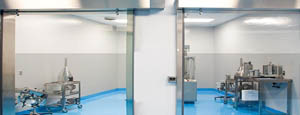
- Clean Room
Stainless steel or composite materials help maintain clean rooms.
-
-
- Coolers
Quick opening speeds & tight seals for temperature control.
-
-
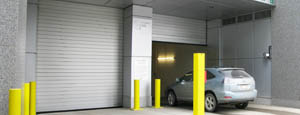
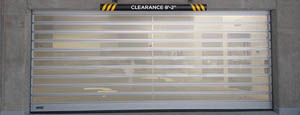
- Parking
Improve security & traffic flow and enhance architectural style.
-
-
- Hurricane Zone
Withstand winds up to 175 mph and comply with the Florida Building Code.
-
-
-
-
- USDA / FDA / cGMP
Increase productivity & address stringent USDA, FDA & cGMP requirements.
-
-
- Freezers
High-speed & perimeter seals minimize the air exchange between areas.
-
-
- Security
High speed & durability ensure secure access.
-
-
- Ventilation
Perforated or screen door panels allow improved air circulation.
-
-
-
-
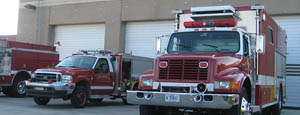
- Fire Station Emergency Response
When time is of the essence, high speed and reliability are crucial.
-
-
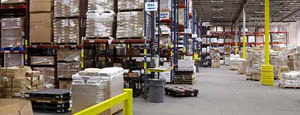
- Warehousing
Fast cycle times and secure seals keep environments separated.
-
-
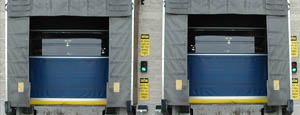
- Loading Dock
Rugged design & secure seal for oversized openings.
-
-
- Large Openings
Break-away functionality with rugged design seals oversized openings.
-
-
-
-
- Heavy Equipment
Withstands challenges of heavy equipment and fleet truck/car wash environments.
-
-
- Self-Storage
Fast opening speeds and reliable, durable construction keep facilities secure and protected.
-
-
- Industries
-
-
-
- Automotive Dealerships
Reduce energy costs, increase productivity and comfort and enhance customer perception.
-
-
- Cold Storage & Processing
Increase productivity and operational efficiency while reducing energy and maintenance costs.
-
-
- Parking
We offer solutions for Apartment / Condo & Loft, Standalone Parking Facilities and Office Buildings
-
-
-
-
- Food & Beverage
Doors specifically engineered for USDA/FDA and cGMP environments, and assured compliance for uncompromising performance.
-
-
- Mfg/Dist/Warehousing
A complete product line allows facilities to increase efficiency and safety and reduce maintenance and energy costs.
-
-
- Government
Ensure effective security and environmental controls are maintained for critical government operations.
-
-
-
-
- Transit
Keep operations running smoothly and efficient while reducing energy and maintenance costs.
-
-
- Pharma, Nutraceutical & Biotech
Doors that offer quick, secure access, environmental control and reliability for life science facilities.
-
-
- Support Resources
- Parts
- Contact Us
- Blog/News
- Why Rytec
- Sales Rep Locator
- Careers
- Dealers
- Architectural Resources





How to Choose Plaza Musical Fountains for Your Project?
Choosing Plaza Musical Fountains requires more than selecting attractive water jets and colorful lights. The fountain must suit the plaza’s scale, climate, pedestrian flow, and architectural character. A design that looks impressive in a rendering may feel overwhelming in a narrow public square. Site conditions matter.
Plaza Musical Fountains combine hydraulics, lighting, sound, automation, drainage, and public safety. Project teams should review nozzle height, water depth, pump capacity, splash control, and viewing distances before approving a concept. Music selection also deserves attention. Clear speakers should support the atmosphere without disturbing nearby residents or businesses. Energy-efficient pumps and programmable lighting can reduce operating costs, but their initial price may be higher. The best decision depends on the project’s long-term budget, not only its installation cost.
Maintenance is often underestimated. Filters, pumps, nozzles, control cabinets, and lighting fixtures need practical access. Ask suppliers for maintenance schedules, replacement-part availability, warranty terms, and installation references. Experienced contractors can provide useful site-specific advice, although no supplier can remove every project risk. A beautiful concept is not enough. Reliable performance matters more.
This choice is not always obvious. Weather, water quality, noise limits, and seasonal programming may change the ideal solution. Project owners should compare technical proposals carefully and request realistic demonstrations when possible. The right fountain creates memorable moments while remaining safe, serviceable, and financially responsible. Some compromises may be necessary. That is worth acknowledging early.
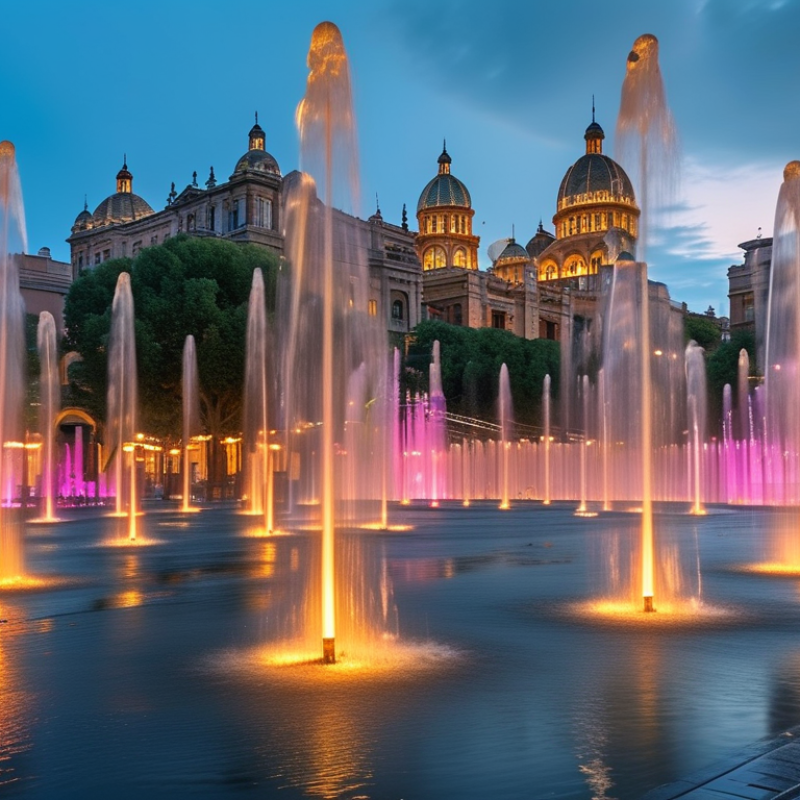
Table of Contents [Hide]
Project Goals and Site Requirements for a Plaza Musical Fountain
How to Choose Plaza Musical Fountains for Your Project?
Project goals should guide every fountain decision. Is the plaza designed for daily relaxation, civic ceremonies, tourism, or evening performances? The answer affects nozzle height, sound levels, seating distance, lighting, and control systems. UN DESA’s World Urbanization Prospects projects that 68% of the global population will live in urban areas by 2050. Public spaces therefore need memorable experiences, but also reliable daily operation.
Site conditions often matter more than visual ambition. Survey the plaza’s footprint, underground utilities, drainage routes, wind exposure, and available electrical capacity before selecting equipment. EPA WaterSense reports that outdoor water use can exceed 30% of household consumption, with higher levels in dry regions. A recirculating system, efficient filtration, and leak monitoring can reduce waste. The design should also allow safe access for maintenance. A hidden service corridor is useful. A beautiful basin is not enough.
Practical experience suggests testing a small-scale water pattern first. Full-height jets may look impressive, yet wind can scatter water onto paving and create slippery surfaces. Acoustic testing is equally important near cafés, homes, and offices. Lighting scenes should remain visible in daylight, not only after sunset. Consult hydraulic, electrical, landscape, and accessibility specialists during concept development. Local requirements may change pump rooms, drainage, barriers, and emergency shutoffs. Our first design is rarely perfect; seasonal testing may reveal glare, noise, or maintenance problems that drawings miss.