
- High-Performance Doors
-
- Applications
-
-
-
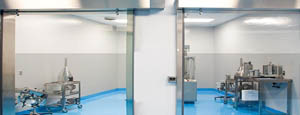
- Clean Room
Stainless steel or composite materials help maintain clean rooms.
-
-
- Coolers
Quick opening speeds & tight seals for temperature control.
-
-
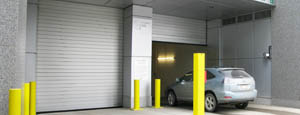
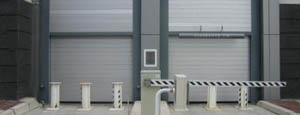
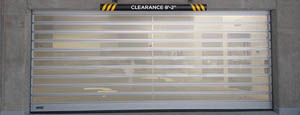
- Parking
Improve security & traffic flow and enhance architectural style.
-
-
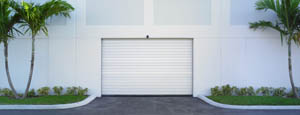
- Hurricane Zone
Withstand winds up to 175 mph and comply with the Florida Building Code.
-
-
-
-
- USDA / FDA / cGMP
Increase productivity & address stringent USDA, FDA & cGMP requirements.
-
-
- Freezers
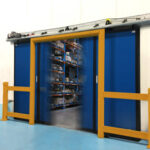
High-speed & perimeter seals minimize the air exchange between areas.
-
-
- Security
High speed & durability ensure secure access.
-
-
- Ventilation
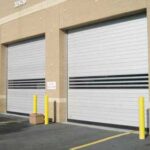
Perforated or screen door panels allow improved air circulation.
-
-
-
-
- Fire Station Emergency Response
When time is of the essence, high speed and reliability are crucial.
-
-
- Warehousing
Fast cycle times and secure seals keep environments separated.
-
-
- Loading Dock
Rugged design & secure seal for oversized openings.
-
-
- Large Openings
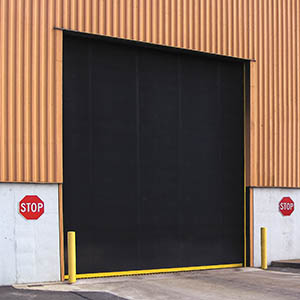
Break-away functionality with rugged design seals oversized openings.
-
-
-
-
- Heavy Equipment
Withstands challenges of heavy equipment and fleet truck/car wash environments.
-
-
- Self-Storage
Fast opening speeds and reliable, durable construction keep facilities secure and protected.
-
-
- Industries
-
-
-
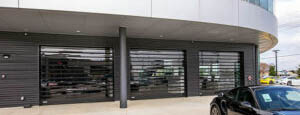
- Automotive Dealerships
Reduce energy costs, increase productivity and comfort and enhance customer perception.
-
-
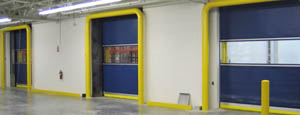
- Cold Storage & Processing
Increase productivity and operational efficiency while reducing energy and maintenance costs.
-
-
- Parking
We offer solutions for Apartment / Condo & Loft, Standalone Parking Facilities and Office Buildings
-
-
-
-
- Food & Beverage
Doors specifically engineered for USDA/FDA and cGMP environments, and assured compliance for uncompromising performance.
-
-
- Mfg/Dist/Warehousing
A complete product line allows facilities to increase efficiency and safety and reduce maintenance and energy costs.
-
-
- Government
Ensure effective security and environmental controls are maintained for critical government operations.
-
-
-
-
- Transit
Keep operations running smoothly and efficient while reducing energy and maintenance costs.
-
-
- Pharma, Nutraceutical & Biotech
Doors that offer quick, secure access, environmental control and reliability for life science facilities.
-
-
- Support Resources
- Parts
- Contact Us
- Blog/News
- Why Rytec
- Sales Rep Locator
- Careers
- Dealers
- Architectural Resources













How to Choose Custom Interior Doors for Your Home?
Choosing custom interior doors for your home is a significant decision. The right doors can transform your space and enhance your home's appeal. Renowned interior designer, Lisa Smith, emphasizes, "Custom interior doors offer a unique touch that reflects your personal style."
When selecting these doors, considerations go beyond aesthetics. You must also focus on functionality and quality. Custom interior doors can vary in materials, styles, and finishes. Think about how they will integrate with your home's design. Choosing doors that match your overall theme is essential for a cohesive look.
Remember, this process can be overwhelming. Many homeowners face challenges in decision-making. It's easy to get lost in options without clear guidance. Take time to reflect on your needs and preferences. Discussing with a specialist can also provide valuable insights. Ultimately, custom interior doors should not only be beautiful but also durable and practical.
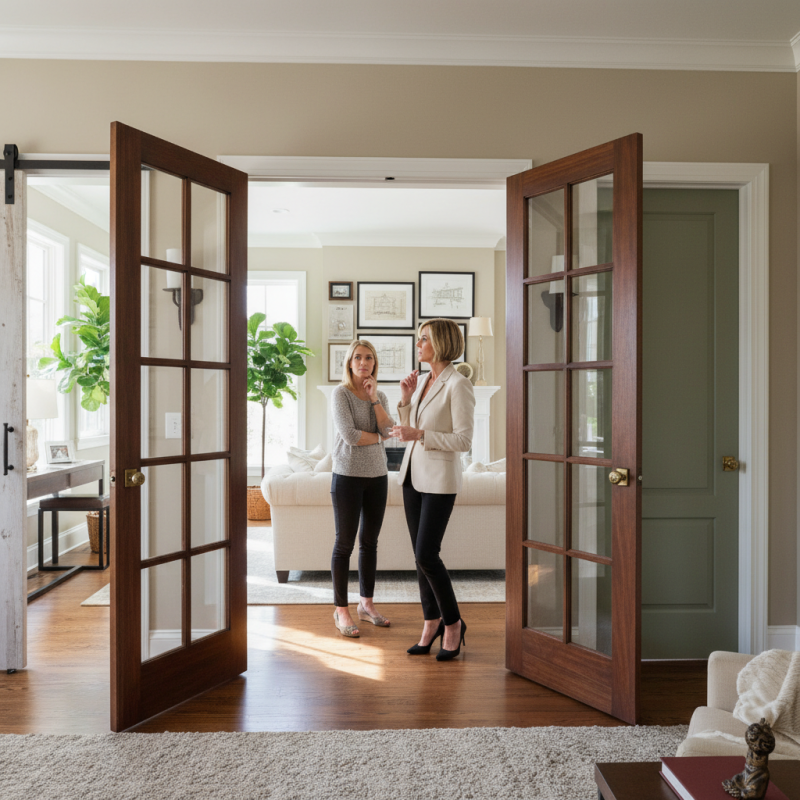
Table of Contents [Hide]
Understanding the Different Types of Custom Interior Doors
When choosing custom interior doors, it's crucial to understand the different types available. Solid wood doors offer timeless elegance. They provide excellent insulation and soundproofing. The rich textures and grains enhance any room’s aesthetics. However, solid wood can be heavy and expensive. Maintenance is also a consideration; they may warp with humidity changes.
Hollow core doors present a lighter alternative. These doors are made with a core of cardboard or honeycomb material. They are cost-effective and easy to install. However, they may lack the sturdiness of solid wood doors. If durability and soundproofing are your priorities, hollow core may not be the best choice.
Glass doors can transform spaces, creating a sense of openness. They allow light to flow, making rooms feel larger. But privacy can be an issue. Frosted or patterned glass can mitigate this concern. Ultimately, the choice of door should reflect both style and function, and it’s essential to balance aesthetics with practical needs. Consider your home’s overall design and functionality when making a decision.