
- High-Performance Doors
-
- Applications
-
-
-
- Clean Room
Stainless steel or composite materials help maintain clean rooms.
-
-
- Coolers
Quick opening speeds & tight seals for temperature control.
-
-
- Parking
Improve security & traffic flow and enhance architectural style.
-
-
- Hurricane Zone
Withstand winds up to 175 mph and comply with the Florida Building Code.
-
-
-
-
- USDA / FDA / cGMP
Increase productivity & address stringent USDA, FDA & cGMP requirements.
-
-
- Freezers
High-speed & perimeter seals minimize the air exchange between areas.
-
-
- Security
High speed & durability ensure secure access.
-
-
- Ventilation
Perforated or screen door panels allow improved air circulation.
-
-
-
-
- Fire Station Emergency Response
When time is of the essence, high speed and reliability are crucial.
-
-
- Warehousing
Fast cycle times and secure seals keep environments separated.
-
-
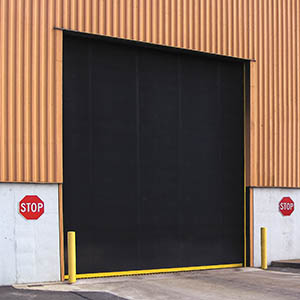
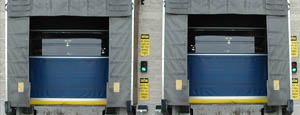
- Loading Dock
Rugged design & secure seal for oversized openings.
-
-
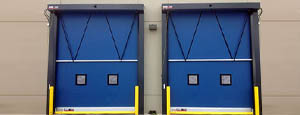
- Large Openings
Break-away functionality with rugged design seals oversized openings.
-
-
-
-
- Heavy Equipment
Withstands challenges of heavy equipment and fleet truck/car wash environments.
-
-
- Self-Storage
Fast opening speeds and reliable, durable construction keep facilities secure and protected.
-
-
- Industries
-
-
-
- Automotive Dealerships
Reduce energy costs, increase productivity and comfort and enhance customer perception.
-
-
- Cold Storage & Processing
Increase productivity and operational efficiency while reducing energy and maintenance costs.
-
-
- Parking
We offer solutions for Apartment / Condo & Loft, Standalone Parking Facilities and Office Buildings
-
-
-
-
- Food & Beverage
Doors specifically engineered for USDA/FDA and cGMP environments, and assured compliance for uncompromising performance.
-
-
- Mfg/Dist/Warehousing
A complete product line allows facilities to increase efficiency and safety and reduce maintenance and energy costs.
-
-
- Government
Ensure effective security and environmental controls are maintained for critical government operations.
-
-
-
-
- Transit
Keep operations running smoothly and efficient while reducing energy and maintenance costs.
-
-
- Pharma, Nutraceutical & Biotech
Doors that offer quick, secure access, environmental control and reliability for life science facilities.
-
-
- Support Resources
- Parts
- Contact Us
- Blog/News
- Why Rytec
- Sales Rep Locator
- Careers
- Dealers
- Architectural Resources




















2026 How to Choose the Best Cellophane Film for Packaging?
Choosing the right cellophane film for packaging is crucial for product preservation and appeal. Industry expert Dr. Sarah Mitchell states, "The right cellophane film can elevate your product's presentation and extend its shelf life." This highlights the importance of understanding various types of cellophane films available in the market.
When selecting cellophane film, consider factors like thickness, transparency, and environmental impact. Not all films are created equal. Some may provide better moisture barriers, while others may enhance visibility. Each choice affects the product's longevity and attractiveness on the shelf.
It's vital to balance quality and cost. While higher-quality films may seem pricey, they often provide better protection and aesthetic appeal. In addition, consider innovative options like biodegradable films that align with sustainability trends. Reflection on your choices can lead to better outcomes. Always ask, “Does this cellophane film truly meet my needs?”

Table of Contents [Hide]
Understanding Cellophane Film: Definition and Properties
Cellophane film is a unique packaging material made from regenerated cellulose. Its properties include being biodegradable, moisture-resistant, and offering excellent clarity. This makes it popular in various sectors, especially in food and cosmetic packaging. According to industry reports, the global cellophane market is projected to grow significantly, driven by increasing consumer awareness of sustainability.
Choosing cellophane film involves understanding its key properties. The thickness impacts strength and flexibility. Thinner films are more transparent, while thicker options provide better protection. Key metrics like tensile strength and barrier properties vary between grades. Proper selection may influence product shelf life. Expertise in material characteristics can optimize packaging performance.
**Tip:** Test different thicknesses. Comparing performance can help identify the right film for your needs.
Another consideration is the film's sealing properties. Some cellophane films can bond effectively with heat sealing, while others require special adhesives. Industry standards recommend checking compatibility with your packaging equipment.
**Tip:** Always conduct a trial run before finalizing your choice. It’s essential to reflect on how each film interacts with your products.