
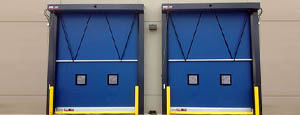
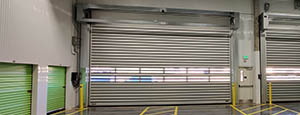
- High-Performance Doors
-
- Applications
-
-
-
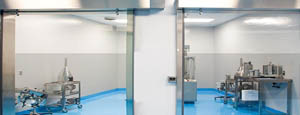
- Clean Room
Stainless steel or composite materials help maintain clean rooms.
-
-
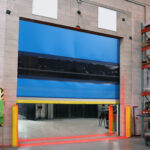
- Coolers
Quick opening speeds & tight seals for temperature control.
-
-
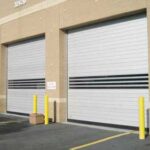
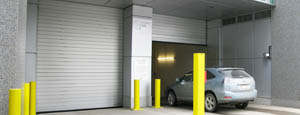
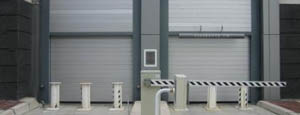
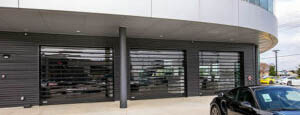
- Parking
Improve security & traffic flow and enhance architectural style.
-
-
- Hurricane Zone
Withstand winds up to 175 mph and comply with the Florida Building Code.
-
-
-
-
- USDA / FDA / cGMP
Increase productivity & address stringent USDA, FDA & cGMP requirements.
-
-
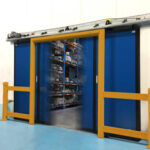
- Freezers
High-speed & perimeter seals minimize the air exchange between areas.
-
-
- Security
High speed & durability ensure secure access.
-
-
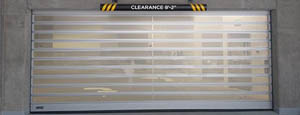
- Ventilation
Perforated or screen door panels allow improved air circulation.
-
-
-
-
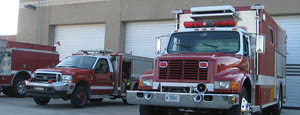
- Fire Station Emergency Response
When time is of the essence, high speed and reliability are crucial.
-
-
- Warehousing
Fast cycle times and secure seals keep environments separated.
-
-
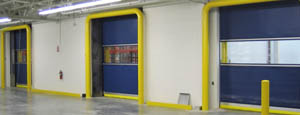
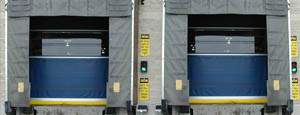
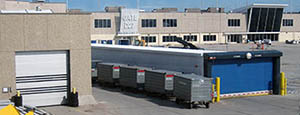
- Loading Dock
Rugged design & secure seal for oversized openings.
-
-
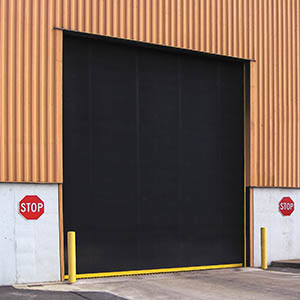
- Large Openings
Break-away functionality with rugged design seals oversized openings.
-
-
-
-
- Heavy Equipment
Withstands challenges of heavy equipment and fleet truck/car wash environments.
-
-
- Self-Storage
Fast opening speeds and reliable, durable construction keep facilities secure and protected.
-
-
- Industries
-
-
-
- Automotive Dealerships
Reduce energy costs, increase productivity and comfort and enhance customer perception.
-
-
- Cold Storage & Processing
Increase productivity and operational efficiency while reducing energy and maintenance costs.
-
-
- Parking
We offer solutions for Apartment / Condo & Loft, Standalone Parking Facilities and Office Buildings
-
-
-
-
- Food & Beverage
Doors specifically engineered for USDA/FDA and cGMP environments, and assured compliance for uncompromising performance.
-
-
- Mfg/Dist/Warehousing
A complete product line allows facilities to increase efficiency and safety and reduce maintenance and energy costs.
-
-
- Government
Ensure effective security and environmental controls are maintained for critical government operations.
-
-
-
-
- Transit
Keep operations running smoothly and efficient while reducing energy and maintenance costs.
-
-
- Pharma, Nutraceutical & Biotech
Doors that offer quick, secure access, environmental control and reliability for life science facilities.
-
-
- Support Resources
- Parts
- Contact Us
- Blog/News
- Why Rytec
- Sales Rep Locator
- Careers
- Dealers
- Architectural Resources










How to Choose a Grid On Inverter for Global Buyers?
Choosing a Grid On Inverter for global markets is not a simple product comparison. It is a system decision shaped by voltage, frequency, climate, regulations, and installation quality. A model that performs well in Germany may not suit Australia, Brazil, or South Africa. Local grid codes matter.
Bill Brooks, a respected photovoltaic systems engineer, puts it clearly: “The inverter is the heart of the PV system.” That heart must match the array, utility network, and operating environment. Buyers should check maximum DC voltage, MPPT range, rated AC output, phase configuration, and conversion efficiency. They should also verify anti-islanding protection and grid-support functions. Certification must fit the target country, not merely the manufacturer’s brochure.
Look beyond the datasheet.
A coastal project may need stronger corrosion protection. A rooftop in a hot region may lose output when internal temperature rises. Weak internet coverage can make remote monitoring frustrating. A reliable warranty, accessible spare parts, and trained local technicians can matter more than a slightly higher efficiency figure.
Real projects often reveal uncomfortable gaps. I have seen buyers focus on price, then discover that a replacement board takes months to arrive. That mistake is avoidable, but not always. Manufacturers may also present test results under ideal conditions, while real roofs face dust, heat, shade, and unstable voltage. A careful global buyer compares verified field performance, independent certifications, service response times, and installer feedback before choosing a Grid On Inverter.
Table of Contents [Hide]
Understanding Grid-Tied Inverter Types and Operating Principles
How to Choose a Grid On Inverter for Global Buyers?
Understanding Grid-Tied Inverter Types and Operating Principles
A grid-tied inverter converts solar panel DC electricity into AC power for the utility network. It tracks grid voltage, frequency, and phase before delivering power. This synchronization must remain stable during changing sunlight. When the grid fails, anti-islanding protection disconnects the inverter automatically. This protects repair workers and nearby equipment.
String inverters connect several panels to one central unit. They suit open roofs with similar panel directions and limited shading.
Microinverters attach to individual panels, improving monitoring when shadows affect only small areas.
Central inverters serve larger solar sites but require careful installation and maintenance planning.
Hybrid inverters can connect batteries, although their backup behavior varies by model.
Global buyers should check local voltage, frequency, grid codes, connector requirements, and certification records. A unit designed for one market may not operate legally in another. Ask for test reports, efficiency curves, protection details, and operating temperature limits. Inspect the installation site too. Dust, salt air, snow, and weak ventilation can reduce performance. No choice is perfect. I would compare the inverter with the roof layout, utility rules, and service support, not only its rated power. A slightly oversized unit may reduce clipping, but excessive oversizing can waste money and complicate protection settings.