
- High-Performance Doors
-
- Applications
-
-
-
- Clean Room
Stainless steel or composite materials help maintain clean rooms.
-
-
- Coolers
Quick opening speeds & tight seals for temperature control.
-
-
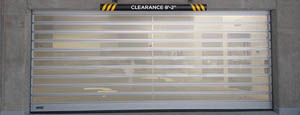
- Parking
Improve security & traffic flow and enhance architectural style.
-
-
- Hurricane Zone
Withstand winds up to 175 mph and comply with the Florida Building Code.
-
-
-
-
- USDA / FDA / cGMP
Increase productivity & address stringent USDA, FDA & cGMP requirements.
-
-
- Freezers
High-speed & perimeter seals minimize the air exchange between areas.
-
-
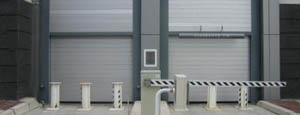
- Security
High speed & durability ensure secure access.
-
-
- Ventilation
Perforated or screen door panels allow improved air circulation.
-
-
-
-
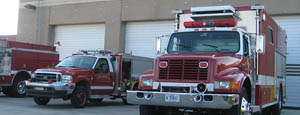
- Fire Station Emergency Response
When time is of the essence, high speed and reliability are crucial.
-
-
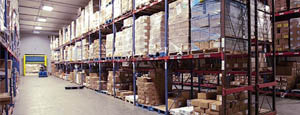
- Warehousing
Fast cycle times and secure seals keep environments separated.
-
-
- Loading Dock
Rugged design & secure seal for oversized openings.
-
-
- Large Openings
Break-away functionality with rugged design seals oversized openings.
-
-
-
-
- Heavy Equipment
Withstands challenges of heavy equipment and fleet truck/car wash environments.
-
-
- Self-Storage
Fast opening speeds and reliable, durable construction keep facilities secure and protected.
-
-
- Industries
-
-
-
- Automotive Dealerships
Reduce energy costs, increase productivity and comfort and enhance customer perception.
-
-
- Cold Storage & Processing
Increase productivity and operational efficiency while reducing energy and maintenance costs.
-
-
- Parking
We offer solutions for Apartment / Condo & Loft, Standalone Parking Facilities and Office Buildings
-
-
-
-
- Food & Beverage
Doors specifically engineered for USDA/FDA and cGMP environments, and assured compliance for uncompromising performance.
-
-
- Mfg/Dist/Warehousing
A complete product line allows facilities to increase efficiency and safety and reduce maintenance and energy costs.
-
-
- Government
Ensure effective security and environmental controls are maintained for critical government operations.
-
-
-
-
- Transit
Keep operations running smoothly and efficient while reducing energy and maintenance costs.
-
-
- Pharma, Nutraceutical & Biotech
Doors that offer quick, secure access, environmental control and reliability for life science facilities.
-
-
- Support Resources
- Parts
- Contact Us
- Blog/News
- Why Rytec
- Sales Rep Locator
- Careers
- Dealers
- Architectural Resources







How to Choose an Automatic BOV Aerosol Filling Machine?
Selecting an Automatic BOV Aerosol Filling Machine requires more than comparing filling speed. It demands evidence about product compatibility, dosing accuracy, hygiene, and long-term maintenance. The global aerosol packaging market was valued at approximately USD 11.4 billion in 2023, according to Grand View Research, with continued growth expected through 2030. Smithers also identifies lightweight packaging, sustainability, and manufacturing efficiency as major industry drivers in The Future of Global Aerosol Packaging to 2028.
Bag-on-valve production adds specific engineering challenges. The machine must place the valve accurately, control product filling, and manage propellant charging without damaging the pouch. “The bag-on-valve system separates the formulation from the propellant,” explains aerosol-packaging specialist John Wood. That separation is central to product quality, especially for sensitive liquids, foams, and personal-care formulations. It also makes line cleanliness easier to evaluate.
Look closely.
A practical buying decision should examine output per minute, filling tolerance, valve-placement accuracy, changeover time, and compressed-air consumption. A stable machine should maintain consistent pouch inflation across a full production shift. Ask for factory acceptance tests using your actual containers, valves, and formulations. Stainless-steel contact parts, accessible seals, and documented calibration records are valuable details.
Yet, no Automatic BOV Aerosol Filling Machine is perfect. Higher speed can increase vibration, waste, and adjustment time. A cheaper system may appear efficient until spare parts become difficult to obtain. This is where supplier experience matters. Review installation records, operator training, warranty coverage, and after-sales response times. Reports provide market direction, but your own trial data should guide the final choice.
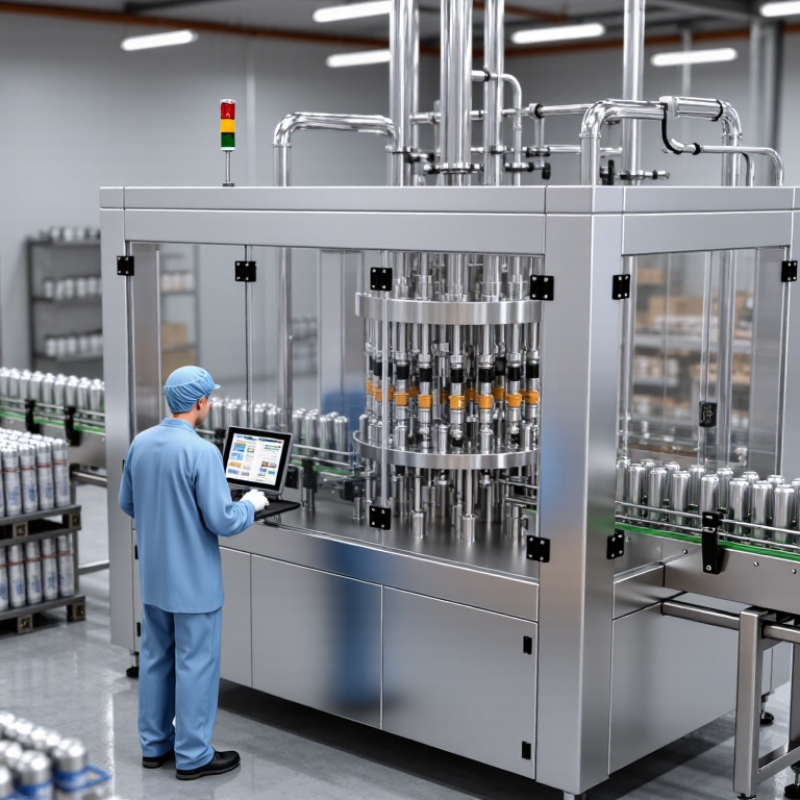
Table of Contents [Hide]
Define BOV Requirements: Valve Type, Fill Volume, and 6–8 bar Gas Supply
Choosing an automatic BOV aerosol filling machine starts with the container and valve, not the machine frame. In production trials, a small valve mismatch can cause slow filling, leakage, or poor spray performance. Confirm the valve type, stem dimensions, gasket material, and mounting method with the can and pouch supplier. BOV systems may use different valve geometries, so “standard” is not precise enough. Ask for samples and run repeated insertion tests. Do not rely on one successful can.
Define fill volume carefully. Separate the product fill from the propellant or gas charge, then specify each value in grams or milliliters. The target should include an acceptable tolerance, because viscosity, temperature, and pouch elasticity can shift results. A machine should control dosing consistently and verify fill weight during trials. For thick liquids, check the pump, hose diameter, and cleaning access. These details look minor. They are not.
The gas supply should provide stable, filtered pressure within the required 6–8 bar range. Confirm whether this refers to inlet supply pressure, since it may not equal the final container pressure. Use a regulator, pressure gauge, and suitable air treatment near the machine. Check peak consumption, compressor capacity, and pressure recovery between cycles. I would also test the lowest practical pressure, not only the ideal setting. Real factories fluctuate. A commissioning record should document valve type, fill volume, pressure, temperature, and observed defects before routine production.
How to Choose an Automatic BOV Aerosol Filling Machine? - Define BOV Requirements: Valve Type, Fill Volume, and 6–8 bar Gas Supply
| Requirement | Recommended Specification | Why It Matters | Machine Selection Implication | Verification Method |
|---|---|---|---|---|
| Product and Packaging Format | Bag-on-valve aerosol can with a separate product bag and propellant chamber | The product and compressed gas remain separated, helping protect sensitive formulations from direct propellant contact. | Select equipment specifically designed for BOV filling rather than a conventional two-piece aerosol filling line. | Confirm the can, bag, valve, and actuator dimensions before ordering the machine. |
| Valve Type | Choose a compatible BOV valve, such as continuous-spray or metered-dose type, according to the application. | Valve geometry, stem design, crimp dimensions, and sealing method determine filling compatibility and leak performance. | The machine should include the correct valve holder, product filling head, crimping tooling, and valve-height adjustment. | Check the valve drawing, mounting dimensions, dip-tube or bag configuration, and required crimp parameters. |
| Product Fill Volume | Typically 50–1,000 mL per container, subject to the can size, bag capacity, and product density | Accurate dosing is needed to maintain the declared net content and preserve sufficient headspace for safe operation. | Use a servo-controlled piston or mass-flow filling system with recipe-based volume adjustment. | Run at least 10 consecutive fills and compare the measured mass or volume with the target value. |
| Product Fill Accuracy | Target a practical production tolerance of approximately ±1% of the programmed fill quantity | Consistent dosing reduces underfill risk, product waste, and variation between production batches. | Choose a machine with calibrated dosing components, stable product pressure, and automatic parameter control. | Verify average fill quantity, standard deviation, and maximum deviation during a full-speed trial. |
| Compressed Gas Supply | Clean, dry compressed air or nitrogen at 6–8 bar, with stable pressure during operation | Insufficient or fluctuating pressure can affect valve actuation, crimping, product transfer, and production speed. | Provide a correctly sized air preparation unit, pressure regulator, pressure gauge, and low-pressure alarm. | Measure pressure at the machine inlet while all filling and crimping stations are operating. |
| Gas Quality | Filtered and dry gas; use nitrogen when product oxidation or moisture sensitivity is a concern | Oil, water, and particulates can contaminate the product, damage pneumatic components, or affect package stability. | Install suitable filtration and moisture separation upstream of the machine, with a drainable air receiver where required. | Review compressed-gas quality records and inspect filters, drains, and pressure regulators. |
| Propellant Filling Method | Pressure filling or controlled gas filling compatible with the selected BOV package | The method influences gas quantity, internal pressure, spray performance, and final package safety. | Select a filling station with adjustable gas pressure, controlled dwell time, and a compatible valve-sealing system. | Measure final can pressure and evaluate spray pattern, discharge rate, and package integrity. |
| Container Compatibility | Aluminum or tin-plated steel aerosol cans within the machine's supported diameter and height range | Different can dimensions require different guides, star wheels, holders, and tooling clearances. | Specify quick-change format parts for each can diameter, height, valve cup, and bag configuration. | Test every intended container size for smooth transfer, correct positioning, and stable crimping. |
| Production Capacity | Approximately 20–60 containers per minute for many automatic BOV lines, depending on filling volume and process steps | Actual output is affected by dosing time, gas filling time, leak testing, changeovers, and operator loading. | Size the machine according to required hourly output rather than the advertised maximum cycle rate alone. | Conduct a continuous production test using the intended container, product, valve, and gas supply. |
| Crimping and Sealing | Controlled crimping force, crimp diameter, and crimp depth matched to the BOV valve cup | A correct crimp is essential for gas retention, leak prevention, and consistent actuator performance. | Use adjustable crimp tooling with repeatable height control and, preferably, a crimp monitoring function. | Inspect crimp dimensions and perform leak testing on representative samples from each batch. |
| Leak Testing | Automatic or semi-automatic leak detection after valve crimping and gas filling | Leak testing identifies defective valves, damaged bags, poor crimps, and container sealing problems before shipment. | Integrate a pressure-decay, water-bath, or other validated leak-test station appropriate to the package design. | Establish a validated test pressure, dwell time, rejection limit, and documented sampling plan. |
| Product Contact Materials | Materials selected for chemical compatibility, commonly stainless steel and suitable elastomers | Incompatible seals or wetted parts may swell, crack, contaminate the product, or shorten maintenance intervals. | Request a complete wetted-parts list and confirm compatibility with alcohols, oils, water-based products, or solvents. | Review material certificates and perform a compatibility assessment with the actual formulation. |
| Cleaning and Changeover | Tool-less or low-tool format changeover with accessible product-contact components | Fast, repeatable cleaning helps prevent cross-contamination and reduces production downtime. | Choose removable filling nozzles, clearly marked settings, recipe storage, and cleanable product pathways. | Time a complete changeover and confirm that all product-contact areas can be inspected and sanitized. |
| Controls and Safety | PLC-based control, guarded moving parts, emergency stops, interlocks, and low-pressure protection | Automatic monitoring improves repeatability and protects personnel from pneumatic and mechanical hazards. | Specify alarms for low gas pressure, missing valves, incorrect can position, filling faults, and leak-test rejection. | Test each alarm, interlock, emergency stop, and restart procedure during commissioning. |
| Recommended Acceptance Criteria | Stable 6–8 bar gas supply, accurate fill quantity, reliable crimping, acceptable leak rate, and required output | Acceptance testing confirms that the machine performs with the real product and packaging, not only with sample materials. | Define factory and site acceptance tests before purchase, including output, accuracy, safety, and changeover targets. | Use documented test results from a production-representative trial and approve the machine against agreed specifications. |
Note: The final valve type, fill range, gas pressure, production speed, and leak-test limits must be confirmed against the specific BOV package, formulation, applicable aerosol regulations, and validated process requirements.