
- High-Performance Doors
-
- Applications
-
-
-
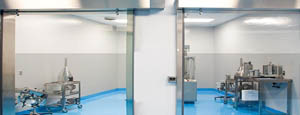
- Clean Room
Stainless steel or composite materials help maintain clean rooms.
-
-
- Coolers
Quick opening speeds & tight seals for temperature control.
-
-
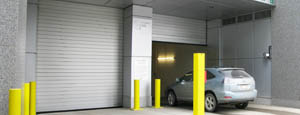
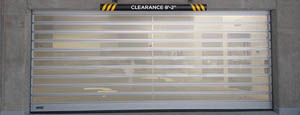
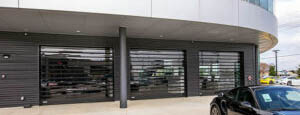
- Parking
Improve security & traffic flow and enhance architectural style.
-
-
- Hurricane Zone
Withstand winds up to 175 mph and comply with the Florida Building Code.
-
-
-
-
- USDA / FDA / cGMP
Increase productivity & address stringent USDA, FDA & cGMP requirements.
-
-
- Freezers
High-speed & perimeter seals minimize the air exchange between areas.
-
-
- Security
High speed & durability ensure secure access.
-
-
- Ventilation
Perforated or screen door panels allow improved air circulation.
-
-
-
-
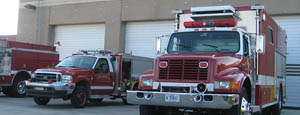
- Fire Station Emergency Response
When time is of the essence, high speed and reliability are crucial.
-
-
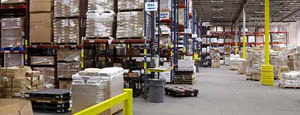
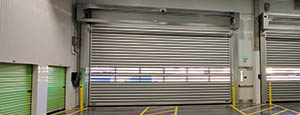
- Warehousing
Fast cycle times and secure seals keep environments separated.
-
-
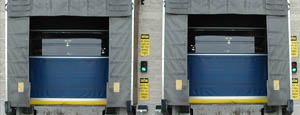
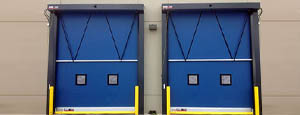
- Loading Dock
Rugged design & secure seal for oversized openings.
-
-
- Large Openings
Break-away functionality with rugged design seals oversized openings.
-
-
-
-
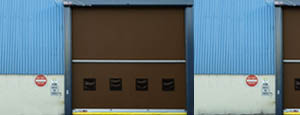
- Heavy Equipment
Withstands challenges of heavy equipment and fleet truck/car wash environments.
-
-
- Self-Storage
Fast opening speeds and reliable, durable construction keep facilities secure and protected.
-
-
- Industries
-
-
-
- Automotive Dealerships
Reduce energy costs, increase productivity and comfort and enhance customer perception.
-
-
- Cold Storage & Processing
Increase productivity and operational efficiency while reducing energy and maintenance costs.
-
-
- Parking
We offer solutions for Apartment / Condo & Loft, Standalone Parking Facilities and Office Buildings
-
-
-
-
- Food & Beverage
Doors specifically engineered for USDA/FDA and cGMP environments, and assured compliance for uncompromising performance.
-
-
- Mfg/Dist/Warehousing
A complete product line allows facilities to increase efficiency and safety and reduce maintenance and energy costs.
-
-
- Government
Ensure effective security and environmental controls are maintained for critical government operations.
-
-
-
-
- Transit
Keep operations running smoothly and efficient while reducing energy and maintenance costs.
-
-
- Pharma, Nutraceutical & Biotech
Doors that offer quick, secure access, environmental control and reliability for life science facilities.
-
-
- Support Resources
- Parts
- Contact Us
- Blog/News
- Why Rytec
- Sales Rep Locator
- Careers
- Dealers
- Architectural Resources




How to Choose a Smoke and CO Detector in 2026?
Choosing a Smoke And Co Detector in 2026 requires more than comparing prices, app features, or glossy packaging. A detector sits above a bedroom door, near a furnace, or beside a cooking area. Its placement and maintenance can matter as much as its sensor technology. No detector is perfect.
The National Fire Protection Association’s Home Structure Fires report found that smoke alarms operated in 73% of reported home fires from 2018 to 2022. In 22% of cases, alarms failed to operate, often because batteries were missing or disconnected. That detail is uncomfortable, but useful. A smart detector cannot protect a home if its battery is removed. The U.S. Consumer Product Safety Commission also reports hundreds of unintentional carbon monoxide deaths and tens of thousands of emergency department visits each year.
Lorraine Carli, former vice president of Outreach and Advocacy at NFPA, has emphasized, “Working smoke alarms save lives.” Her point remains practical in 2026. Look for certified smoke and carbon monoxide sensing, clear low-battery alerts, test buttons, and an audible alarm that can wake sleeping occupants. Interconnected units can make one alarm trigger throughout the home. However, wireless reliability deserves scrutiny, especially through thick walls or during power interruptions. I would not choose a model based only on its mobile application. Check certification labels, replacement dates, warranty terms, and the manufacturer’s testing guidance. A quieter, simpler alarm may be the wiser choice.
Table of Contents [Hide]
Assess Fire and CO Risk Using NFPA and CPSC Safety Data
How to Choose a Smoke and CO Detector in 2026?
A reliable choice begins with risk, not a convenient price or attractive design. NFPA fire-safety data consistently links residential fire deaths with missing, disabled, or poorly maintained smoke alarms. Cooking and heating equipment also remain important ignition sources. Review NFPA reports to understand how quickly smoke can spread through sleeping areas and hallways.
CPSC safety data highlights a different danger: carbon monoxide poisoning from fuel-burning appliances, vehicles, and portable generators used too close to buildings. CO has no smell, so human senses cannot provide protection. Choose smoke alarms for every level, inside sleeping rooms, and outside sleeping areas. Place CO alarms near sleeping areas and wherever fuel-burning equipment operates, following local requirements and installation instructions.
Look for alarms with clear test controls, low-battery warnings, and sealed long-life batteries when suitable. Interconnected alarms can warn people sooner, especially behind closed doors. Check the alarm date and test each unit monthly. Replace any detector that is damaged, silent, or beyond its service life.
My risk assessment would not be perfect. Room layouts change, and one alarm may seem adequate until smoke travels differently at night. NFPA and CPSC data provide strong evidence, but they cannot inspect your hallway, basement, or sleeping habits. Walk through the home in daylight, note fuel-burning appliances, and ask whether every sleeping person could hear an alarm. That question is easy to miss.