
- High-Performance Doors
-
- Applications
-
-
-
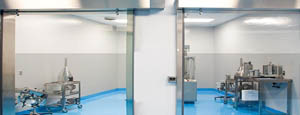
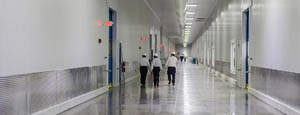
- Clean Room
Stainless steel or composite materials help maintain clean rooms.
-
-
- Coolers
Quick opening speeds & tight seals for temperature control.
-
-
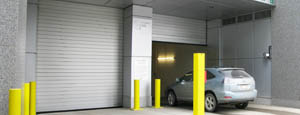
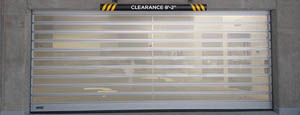
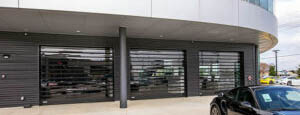
- Parking
Improve security & traffic flow and enhance architectural style.
-
-
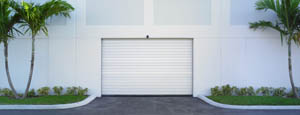
- Hurricane Zone
Withstand winds up to 175 mph and comply with the Florida Building Code.
-
-
-
-
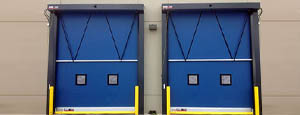
- USDA / FDA / cGMP
Increase productivity & address stringent USDA, FDA & cGMP requirements.
-
-
- Freezers
High-speed & perimeter seals minimize the air exchange between areas.
-
-
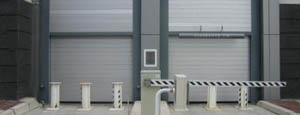
- Security
High speed & durability ensure secure access.
-
-
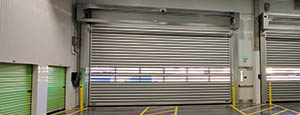
- Ventilation
Perforated or screen door panels allow improved air circulation.
-
-
-
-
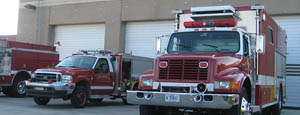
- Fire Station Emergency Response
When time is of the essence, high speed and reliability are crucial.
-
-
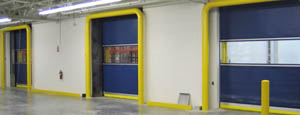
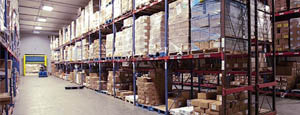
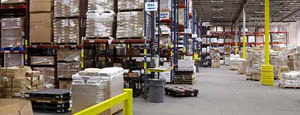
- Warehousing
Fast cycle times and secure seals keep environments separated.
-
-
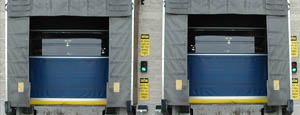
- Loading Dock
Rugged design & secure seal for oversized openings.
-
-
- Large Openings
Break-away functionality with rugged design seals oversized openings.
-
-
-
-
- Heavy Equipment
Withstands challenges of heavy equipment and fleet truck/car wash environments.
-
-
- Self-Storage
Fast opening speeds and reliable, durable construction keep facilities secure and protected.
-
-
- Industries
-
-
-
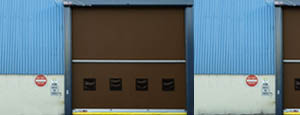
- Automotive Dealerships
Reduce energy costs, increase productivity and comfort and enhance customer perception.
-
-
- Cold Storage & Processing
Increase productivity and operational efficiency while reducing energy and maintenance costs.
-
-
- Parking
We offer solutions for Apartment / Condo & Loft, Standalone Parking Facilities and Office Buildings
-
-
-
-
- Food & Beverage
Doors specifically engineered for USDA/FDA and cGMP environments, and assured compliance for uncompromising performance.
-
-
- Mfg/Dist/Warehousing
A complete product line allows facilities to increase efficiency and safety and reduce maintenance and energy costs.
-
-
- Government
Ensure effective security and environmental controls are maintained for critical government operations.
-
-
-
-
- Transit
Keep operations running smoothly and efficient while reducing energy and maintenance costs.
-
-
- Pharma, Nutraceutical & Biotech
Doors that offer quick, secure access, environmental control and reliability for life science facilities.
-
-
- Support Resources
- Parts
- Contact Us
- Blog/News
- Why Rytec
- Sales Rep Locator
- Careers
- Dealers
- Architectural Resources





How to Choose a JS1500 Concrete Mixer for Global Projects?
Choosing the right Js1500 Concrete Mixer can influence production speed, mix consistency, and project reliability. Global projects often face different climates, power systems, transport limits, and construction standards. A mixer that performs well on one site may struggle elsewhere.
The JS1500 model is commonly considered for medium-to-large concrete production. Its twin-shaft mixing design can support uniform blending when operators follow suitable loading sequences. However, capacity alone should not decide the purchase. Buyers should examine hourly output, discharge height, motor configuration, spare-parts access, and control-system compatibility. Site experience matters here. A dusty road, unstable electricity, or limited lifting equipment can change the most practical choice.
Small details matter.
A reliable evaluation should compare the mixer with the complete batching plant, not as an isolated machine. Check aggregate sizes, moisture variation, cement feeding accuracy, and expected working hours. Ask suppliers for documented performance data, maintenance guidance, factory quality records, and references from comparable projects. Independent inspection can also reduce uncertainty before shipment. Yet no brochure predicts every field condition. Real productivity may decrease during extreme heat, poor maintenance, or frequent material changes. That possibility deserves honest planning.
This guide explains how to choose a Js1500 Concrete Mixer for global projects with a balanced, practical approach. It considers engineering performance, lifecycle cost, operator safety, logistics, and after-sales support. The final decision should reflect verified site requirements, not impressive advertising alone. Sometimes, the cheaper machine becomes expensive later.
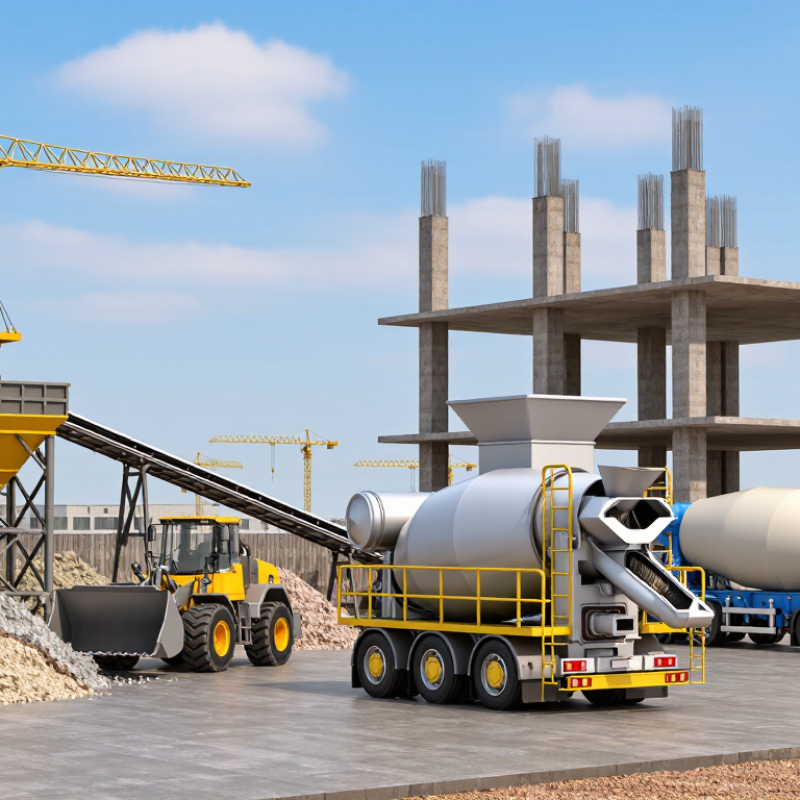
Table of Contents [Hide]
JS1500 Concrete Mixer: Definition, Capacity, and Core Specifications
How to Choose a JS1500 Concrete Mixer for Global Projects?
A JS1500 concrete mixer is a twin-shaft machine designed for intensive concrete mixing. The “1500” usually refers to a nominal 1,500-liter discharge capacity per batch. Its practical output depends on loading, mixing time, and concrete formulation. Many configurations produce about 75 cubic meters per hour, but this figure is not universal. A catalog number is not a promise.
Core specifications deserve careful checking. Confirm the rated batch volume, charging capacity, shaft speed, motor power, and maximum aggregate size. Also inspect the mixing cycle, liner material, discharge gate design, and access points for maintenance. Heavy-duty liners may last longer with abrasive aggregates. However, they can increase replacement costs. Electrical requirements also matter, especially where voltage and frequency vary between project locations. Weather protection, dust control, and spare-part availability should be assessed before shipment.
Tips: Ask for tested performance data using your actual mix design. Compare moisture sensors, weighing accuracy, and control-system compatibility. Leave space around the mixer for cleaning and inspection. I have seen projects lose time because maintenance access was treated as an afterthought. Soil, climate, and operator training can change results. Review these details with an experienced engineer, not only a sales sheet.