
- High-Performance Doors
-
- Applications
-
-
-
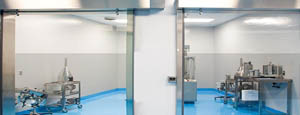
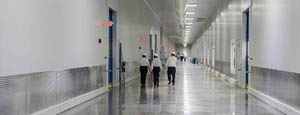
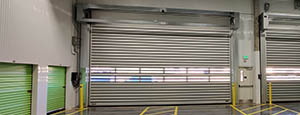
- Clean Room
Stainless steel or composite materials help maintain clean rooms.
-
-
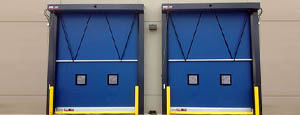
- Coolers
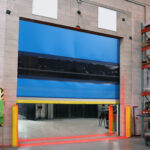
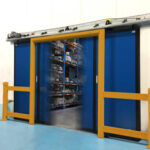
Quick opening speeds & tight seals for temperature control.
-
-
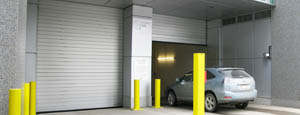
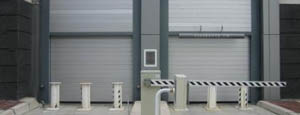
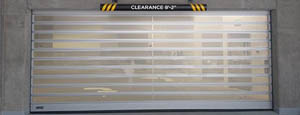
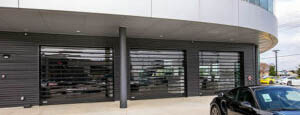
- Parking
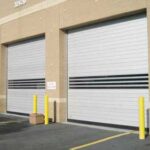
Improve security & traffic flow and enhance architectural style.
-
-
- Hurricane Zone
Withstand winds up to 175 mph and comply with the Florida Building Code.
-
-
-
-
- USDA / FDA / cGMP
Increase productivity & address stringent USDA, FDA & cGMP requirements.
-
-
- Freezers
High-speed & perimeter seals minimize the air exchange between areas.
-
-
- Security
High speed & durability ensure secure access.
-
-
- Ventilation
Perforated or screen door panels allow improved air circulation.
-
-
-
-
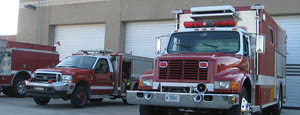
- Fire Station Emergency Response
When time is of the essence, high speed and reliability are crucial.
-
-
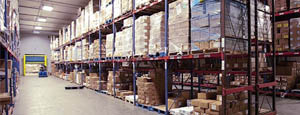
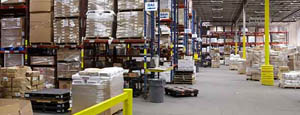
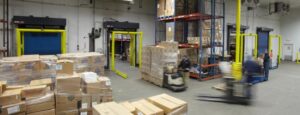
- Warehousing
Fast cycle times and secure seals keep environments separated.
-
-
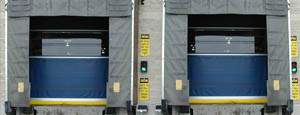
- Loading Dock
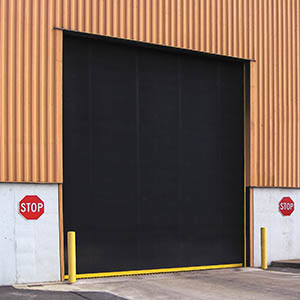
Rugged design & secure seal for oversized openings.
-
-
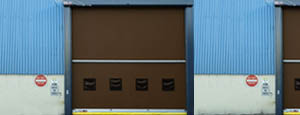
- Large Openings
Break-away functionality with rugged design seals oversized openings.
-
-
-
-
- Heavy Equipment
Withstands challenges of heavy equipment and fleet truck/car wash environments.
-
-
- Self-Storage
Fast opening speeds and reliable, durable construction keep facilities secure and protected.
-
-
- Industries
-
-
-
- Automotive Dealerships
Reduce energy costs, increase productivity and comfort and enhance customer perception.
-
-
- Cold Storage & Processing
Increase productivity and operational efficiency while reducing energy and maintenance costs.
-
-
- Parking
We offer solutions for Apartment / Condo & Loft, Standalone Parking Facilities and Office Buildings
-
-
-
-
- Food & Beverage
Doors specifically engineered for USDA/FDA and cGMP environments, and assured compliance for uncompromising performance.
-
-
- Mfg/Dist/Warehousing
A complete product line allows facilities to increase efficiency and safety and reduce maintenance and energy costs.
-
-
- Government
Ensure effective security and environmental controls are maintained for critical government operations.
-
-
-
-
- Transit
Keep operations running smoothly and efficient while reducing energy and maintenance costs.
-
-
- Pharma, Nutraceutical & Biotech
Doors that offer quick, secure access, environmental control and reliability for life science facilities.
-
-
- Support Resources
- Parts
- Contact Us
- Blog/News
- Why Rytec
- Sales Rep Locator
- Careers
- Dealers
- Architectural Resources



How to Choose a Gas Brick Oven for Your Business?
Choosing a Gas Brick Oven is a business decision, not just a question of flame size or traditional appearance. The National Restaurant Association’s 2025 State of the Restaurant Industry report projected U.S. restaurant sales of $1.5 trillion and employment of 15.7 million. Those figures describe a large, competitive market; they do not guarantee that a brick oven will suit every menu or location. Every purchase still needs to make sense for the service your team actually delivers.
Start with the food. A fast-moving pizza menu may need quick recovery between orders, while bread or roasted dishes place different demands on heat retention and cooking space. Picture a busy Friday: staff are reaching for the peel, tickets are stacking up, and the oven door keeps opening. Can the oven maintain steady heat under that pressure? Consider cooking capacity, temperature control, fuel consumption, footprint, cleaning access, and the cost of installation and maintenance. ENERGY STAR’s commercial oven guidance also offers a useful efficiency benchmark when comparing eligible models. Check the specific product’s certification and test details; labels are not a substitute for operating-cost estimates. A spec sheet cannot recreate a crowded service. That part needs honest planning. This guide explains how to compare oven types, assess site requirements, and ask suppliers practical questions before committing. Some figures may look precise, but your menu, staffing, and local energy costs can change the real result. Start with evidence, then test the assumptions.
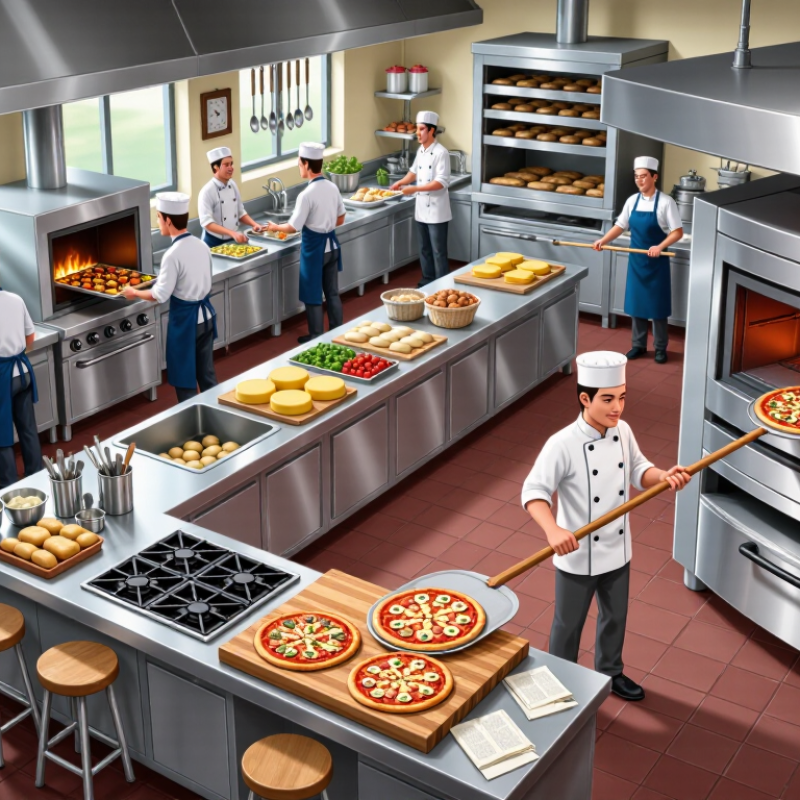
Table of Contents [Hide]
Assess Your Business Needs, Menu, and Expected Production Volume
Start with the menu, not the oven’s headline capacity. List each item, its bake temperature, and how often it may be ordered during peak service. The National Restaurant Association’s 2024 State of the Restaurant Industry report projected $1.1 trillion in U.S. restaurant sales. That figure signals a large market, not your own workload. PMQ’s 2024 Pizza Power Report estimated U.S. pizza sales at $46.9 billion. Treat both figures as context, not capacity targets.
Track your busiest 30-minute period and estimate how many orders the oven must finish within it. Count pizzas, flatbreads, and other dishes separately; different bake times can create bottlenecks. Compare usable deck area, heat recovery, and staff access. Ask suppliers for documented throughput using products and temperatures close to yours. Then test with your actual dough and toppings. Your spreadsheet may be wrong.
Tip: Run a timed service trial before choosing a size. Note how often staff reload the oven and whether finished food waits for pickup. Leave a little production buffer; real service rarely follows a tidy forecast, and that uncertainty deserves a second look.