
- High-Performance Doors
-
- Applications
-
-
-
- Clean Room
Stainless steel or composite materials help maintain clean rooms.
-
-
- Coolers
Quick opening speeds & tight seals for temperature control.
-
-
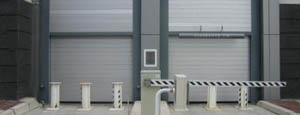
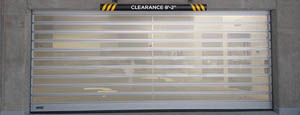
- Parking
Improve security & traffic flow and enhance architectural style.
-
-
- Hurricane Zone
Withstand winds up to 175 mph and comply with the Florida Building Code.
-
-
-
-
- USDA / FDA / cGMP
Increase productivity & address stringent USDA, FDA & cGMP requirements.
-
-
- Freezers
High-speed & perimeter seals minimize the air exchange between areas.
-
-
- Security
High speed & durability ensure secure access.
-
-
- Ventilation
Perforated or screen door panels allow improved air circulation.
-
-
-
-
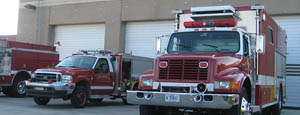
- Fire Station Emergency Response
When time is of the essence, high speed and reliability are crucial.
-
-
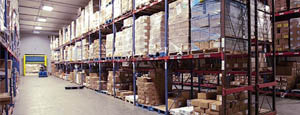
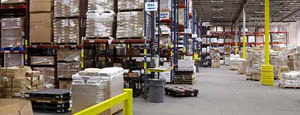
- Warehousing
Fast cycle times and secure seals keep environments separated.
-
-
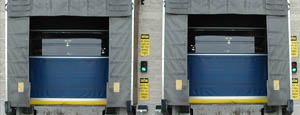
- Loading Dock
Rugged design & secure seal for oversized openings.
-
-
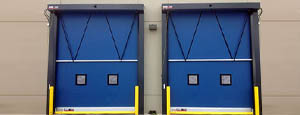
- Large Openings
Break-away functionality with rugged design seals oversized openings.
-
-
-
-
- Heavy Equipment
Withstands challenges of heavy equipment and fleet truck/car wash environments.
-
-
- Self-Storage
Fast opening speeds and reliable, durable construction keep facilities secure and protected.
-
-
- Industries
-
-
-
- Automotive Dealerships
Reduce energy costs, increase productivity and comfort and enhance customer perception.
-
-
- Cold Storage & Processing
Increase productivity and operational efficiency while reducing energy and maintenance costs.
-
-
- Parking
We offer solutions for Apartment / Condo & Loft, Standalone Parking Facilities and Office Buildings
-
-
-
-
- Food & Beverage
Doors specifically engineered for USDA/FDA and cGMP environments, and assured compliance for uncompromising performance.
-
-
- Mfg/Dist/Warehousing
A complete product line allows facilities to increase efficiency and safety and reduce maintenance and energy costs.
-
-
- Government
Ensure effective security and environmental controls are maintained for critical government operations.
-
-
-
-
- Transit
Keep operations running smoothly and efficient while reducing energy and maintenance costs.
-
-
- Pharma, Nutraceutical & Biotech
Doors that offer quick, secure access, environmental control and reliability for life science facilities.
-
-
- Support Resources
- Parts
- Contact Us
- Blog/News
- Why Rytec
- Sales Rep Locator
- Careers
- Dealers
- Architectural Resources











Why Choose Valve Lockout Chain for Enhanced Safety?
In today's industrial safety landscape, the use of a Valve Lockout Chain has become crucial. John Smith, a safety expert with over 20 years of experience, emphasizes, "A proper locking mechanism can save lives." This statement highlights the role of Valve Lockout Chains in preventing accidental valve openings during maintenance.
Valve Lockout Chains enhance safety by providing a reliable means to secure valves. These chains prevent unauthorized access, ensuring that maintenance workers are protected from hazards. The visual aspect of the chain makes it easier to identify locked valves quickly. This immediate recognition can lead to safer working conditions and reduced accidents.
Yet, some industries still overlook the importance of proper lockout procedures. Ignoring these practices poses significant risks. Implementing a Valve Lockout Chain is a simple yet effective step towards greater safety. It’s essential that organizations recognize the need for adequate training and adherence to lockout/tagout protocols. Investing in effective safety measures like the Valve Lockout Chain is not just a regulatory requirement; it is a moral obligation to protect workers.
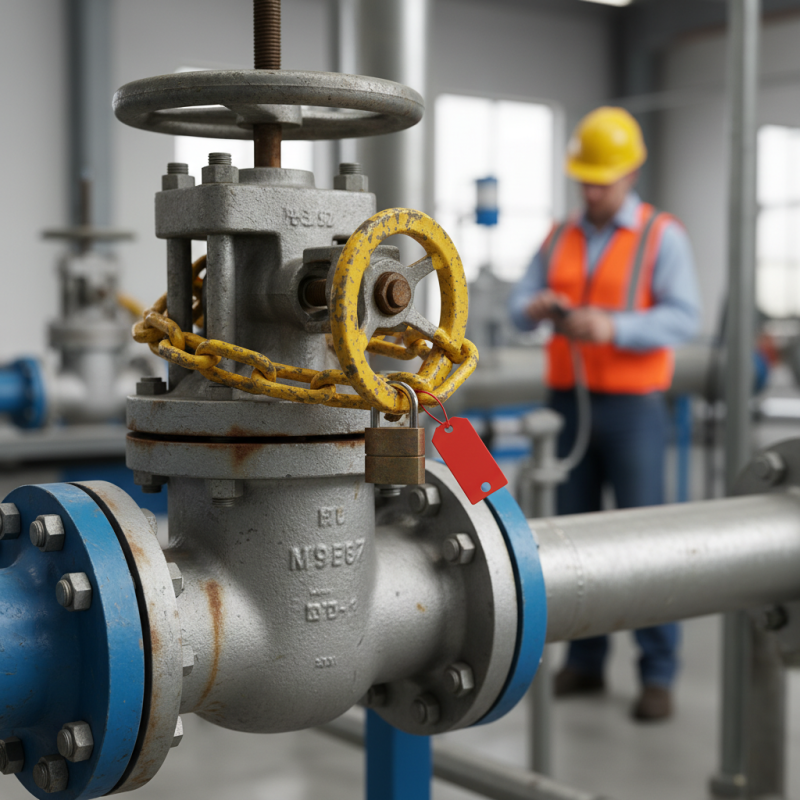
Table of Contents [Hide]
Understanding Valve Lockout Chains and Their Purpose
Valve lockout chains are essential for ensuring safety in industrial environments. These chains play a crucial role in preventing accidental valve operation. When machinery is under maintenance, securing valves with lockout chains helps avoid unintentional release of hazardous materials. This practice is vital for worker safety and environmental protection.
The purpose of valve lockout chains extends beyond mere prevention. They serve as a visual reminder for workers to stay vigilant. The vivid colors and sturdy design ensure that the locked state is easily noticeable. Employees can often overlook simple steps in safety protocols. Such oversights can lead to dangerous situations. Therefore, the presence of lockout chains reinforces the importance of taking safety seriously.
Employing lockout chains may seem straightforward, yet real-life applications reveal gaps in their use. In some cases, teams forget to employ these devices, risking safety. Regular training and reminders can help bridge this gap. By continuously engaging with safety measures, teams can foster a culture that prioritizes caution over convenience. Encouraging persistent vigilance is critical in maintaining workplace safety.