
- High-Performance Doors
-
- Applications
-
-
-
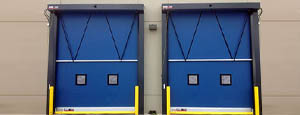
- Clean Room
Stainless steel or composite materials help maintain clean rooms.
-
-
- Coolers
Quick opening speeds & tight seals for temperature control.
-
-
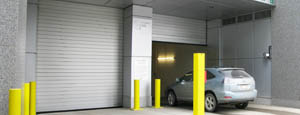
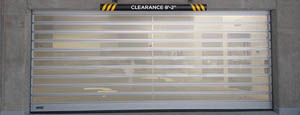
- Parking
Improve security & traffic flow and enhance architectural style.
-
-
- Hurricane Zone
Withstand winds up to 175 mph and comply with the Florida Building Code.
-
-
-
-
- USDA / FDA / cGMP
Increase productivity & address stringent USDA, FDA & cGMP requirements.
-
-
- Freezers
High-speed & perimeter seals minimize the air exchange between areas.
-
-
- Security
High speed & durability ensure secure access.
-
-
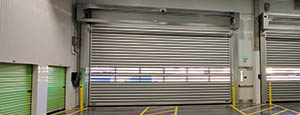
- Ventilation
Perforated or screen door panels allow improved air circulation.
-
-
-
-
- Fire Station Emergency Response
When time is of the essence, high speed and reliability are crucial.
-
-
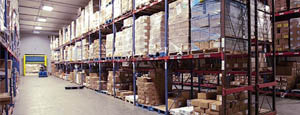
- Warehousing
Fast cycle times and secure seals keep environments separated.
-
-
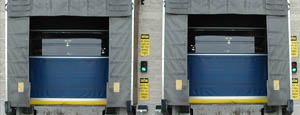
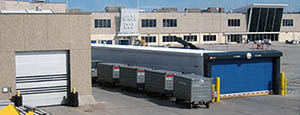
- Loading Dock
Rugged design & secure seal for oversized openings.
-
-
- Large Openings
Break-away functionality with rugged design seals oversized openings.
-
-
-
-
- Heavy Equipment
Withstands challenges of heavy equipment and fleet truck/car wash environments.
-
-
- Self-Storage
Fast opening speeds and reliable, durable construction keep facilities secure and protected.
-
-
- Industries
-
-
-
- Automotive Dealerships
Reduce energy costs, increase productivity and comfort and enhance customer perception.
-
-
- Cold Storage & Processing
Increase productivity and operational efficiency while reducing energy and maintenance costs.
-
-
- Parking
We offer solutions for Apartment / Condo & Loft, Standalone Parking Facilities and Office Buildings
-
-
-
-
- Food & Beverage
Doors specifically engineered for USDA/FDA and cGMP environments, and assured compliance for uncompromising performance.
-
-
- Mfg/Dist/Warehousing
A complete product line allows facilities to increase efficiency and safety and reduce maintenance and energy costs.
-
-
- Government
Ensure effective security and environmental controls are maintained for critical government operations.
-
-
-
-
- Transit
Keep operations running smoothly and efficient while reducing energy and maintenance costs.
-
-
- Pharma, Nutraceutical & Biotech
Doors that offer quick, secure access, environmental control and reliability for life science facilities.
-
-
- Support Resources
- Parts
- Contact Us
- Blog/News
- Why Rytec
- Sales Rep Locator
- Careers
- Dealers
- Architectural Resources















How to Choose a US DDP Shipping Line for Global Sourcing?
Choosing a US DDP Shipping Line can determine whether global sourcing feels predictable or painfully expensive. DDP means the seller typically manages transportation, import clearance, duties, and delivery to the agreed destination. That convenience requires careful verification.
John W. H. Denton, Secretary General of the International Chamber of Commerce, has described Incoterms rules as “an essential part of the daily language of trade.” His point matters here. A DDP service is not merely a low ocean or air freight rate. It is a complete responsibility chain.
Imagine a shipment arriving at Los Angeles before moving to a warehouse in Ohio. Who files the entry? Who pays import charges? Who handles an address correction? A dependable US DDP Shipping Line should answer these questions clearly. It should also explain service coverage, transit times, cargo restrictions, insurance options, tracking, and delivery exceptions.
Look beyond the quotation.
Compare the full landed cost, not only the headline price. Ask whether duties and taxes are included, estimated, or excluded. Request written procedures for customs documentation and shipment delays. Verify the provider’s US delivery network and escalation contact.
Experience reveals uncomfortable details. Some offers appear cheap because important charges surface later. Even experienced buyers can misunderstand DDP responsibilities. A strong provider welcomes scrutiny and supplies consistent records. However, no shipping line fits every product, origin, or delivery address.
This guide examines practical selection criteria, from compliance coordination to final-mile reliability. It also considers where DDP may create uncertainty. Careful sourcing is not about choosing the fastest promise. It is about choosing a service you can actually verify.
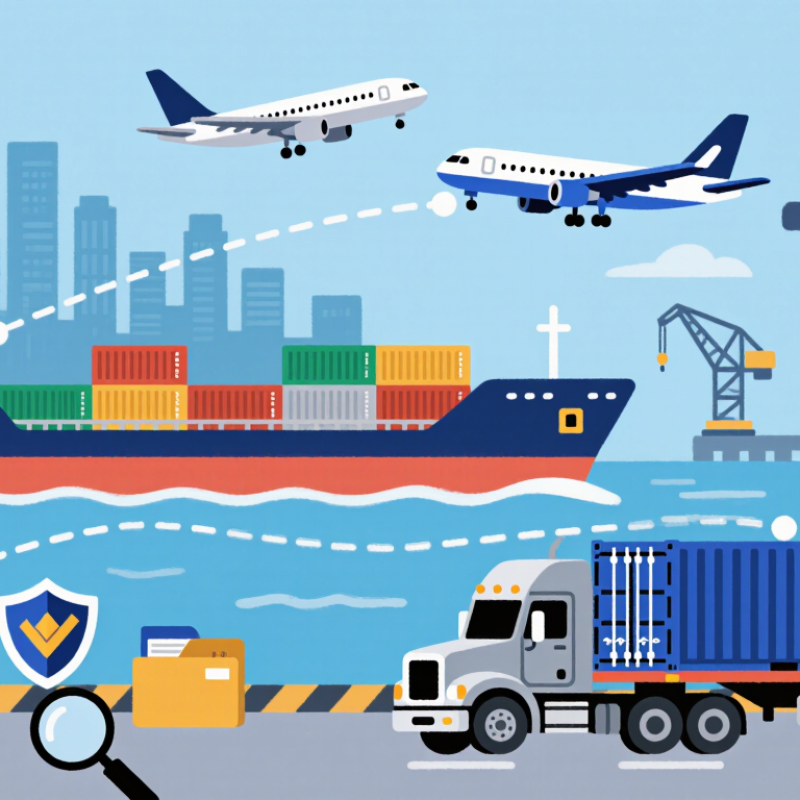
Table of Contents [Hide]
Define Your US DDP Shipping Needs and Sourcing Requirements
Choosing a US DDP shipping line starts with defining your sourcing requirements, not comparing price lists. Under ICC Incoterms 2020, DDP places import clearance, duties, and final delivery responsibilities on the seller. Confirm whether your provider acts as the contracting carrier, freight forwarder, or both.
Write a shipment profile before requesting quotations. Include supplier countries, product categories, carton dimensions, gross weight, monthly volume, delivery addresses, and required arrival dates. Add customs classification, commercial invoice details, insurance expectations, and return procedures. Small omissions can create large charges.
The 2023 UNCTAD Review of Maritime Transport reports that over 80% of global merchandise trade by volume moves by sea. Therefore, compare ocean transit with air or rail options, especially when inventory is seasonal. The World Bank’s 2023 Logistics Performance Index assesses customs, infrastructure, tracking, logistics services, and timeliness. Ask providers for measurable performance in each area.
Tips: Request a complete landed-cost sheet. It should separate freight, duty, tax, terminal fees, delivery, and possible surcharges. Ask for recent customs-clearance examples, tracking milestones, and a written delay process. Test one small shipment first. It may expose weak documentation or inaccurate delivery promises. Also check whether the DDP quotation covers every US destination, including residential or remote addresses. I have seen “all-inclusive” quotes become incomplete after cargo arrived. That mistake is avoidable, but only with line-by-line review and realistic product data.