
- High-Performance Doors
-
- Applications
-
-
-
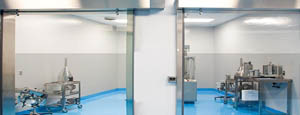
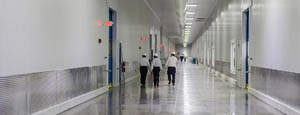
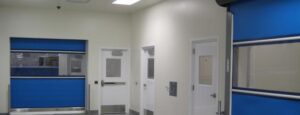
- Clean Room
Stainless steel or composite materials help maintain clean rooms.
-
-
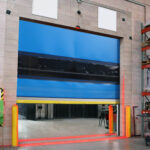
- Coolers
Quick opening speeds & tight seals for temperature control.
-
-
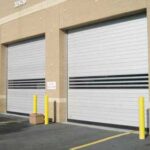
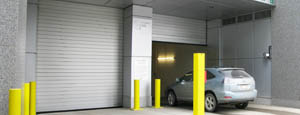
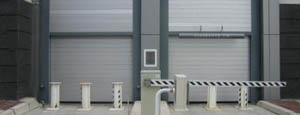
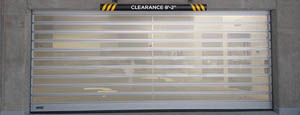
- Parking
Improve security & traffic flow and enhance architectural style.
-
-
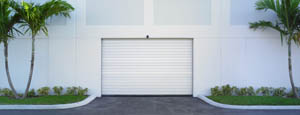
- Hurricane Zone
Withstand winds up to 175 mph and comply with the Florida Building Code.
-
-
-
-
- USDA / FDA / cGMP
Increase productivity & address stringent USDA, FDA & cGMP requirements.
-
-
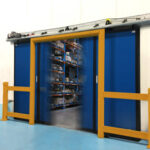
- Freezers
High-speed & perimeter seals minimize the air exchange between areas.
-
-
- Security
High speed & durability ensure secure access.
-
-
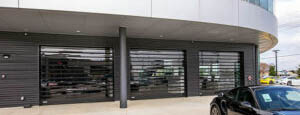
- Ventilation
Perforated or screen door panels allow improved air circulation.
-
-
-
-
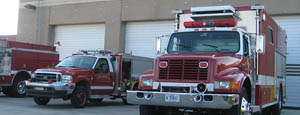
- Fire Station Emergency Response
When time is of the essence, high speed and reliability are crucial.
-
-
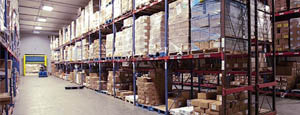
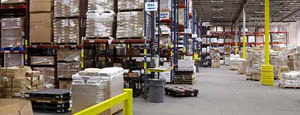
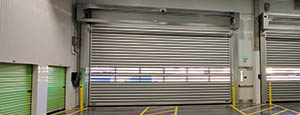
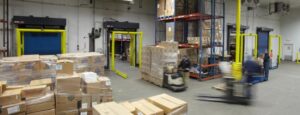
- Warehousing
Fast cycle times and secure seals keep environments separated.
-
-
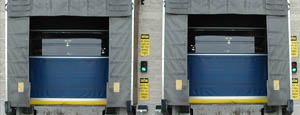
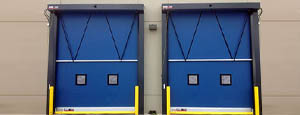
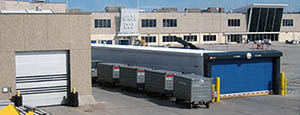
- Loading Dock
Rugged design & secure seal for oversized openings.
-
-
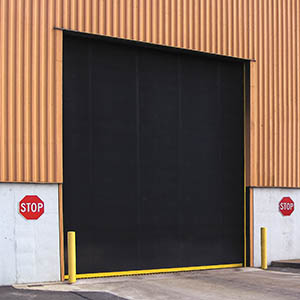
- Large Openings
Break-away functionality with rugged design seals oversized openings.
-
-
-
-
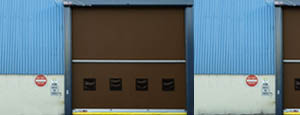
- Heavy Equipment
Withstands challenges of heavy equipment and fleet truck/car wash environments.
-
-
- Self-Storage
Fast opening speeds and reliable, durable construction keep facilities secure and protected.
-
-
- Industries
-
-
-
- Automotive Dealerships
Reduce energy costs, increase productivity and comfort and enhance customer perception.
-
-
- Cold Storage & Processing
Increase productivity and operational efficiency while reducing energy and maintenance costs.
-
-
- Parking
We offer solutions for Apartment / Condo & Loft, Standalone Parking Facilities and Office Buildings
-
-
-
-
- Food & Beverage
Doors specifically engineered for USDA/FDA and cGMP environments, and assured compliance for uncompromising performance.
-
-
- Mfg/Dist/Warehousing
A complete product line allows facilities to increase efficiency and safety and reduce maintenance and energy costs.
-
-
- Government
Ensure effective security and environmental controls are maintained for critical government operations.
-
-
-
-
- Transit
Keep operations running smoothly and efficient while reducing energy and maintenance costs.
-
-
- Pharma, Nutraceutical & Biotech
Doors that offer quick, secure access, environmental control and reliability for life science facilities.
-
-
- Support Resources
- Parts
- Contact Us
- Blog/News
- Why Rytec
- Sales Rep Locator
- Careers
- Dealers
- Architectural Resources



How to Choose the Right Delta Frequency Drive in 2026?
Choosing the right Delta Frequency Drive in 2026 requires more than comparing prices or output power. The correct model must match the motor, load profile, installation environment, and control system. A conveyor, pump, compressor, and elevator demand different drive characteristics. Their acceleration, braking, and overload requirements are rarely identical.
Delta Electronics founder Bruce Cheng framed the company’s mission clearly: “To provide innovative, clean and energy-efficient solutions for a better tomorrow.” That principle remains useful when evaluating a Delta Frequency Drive. Efficiency matters, but it should not replace reliability, protection, or serviceability. A drive that saves energy yet fails in a dusty workshop is not a successful choice. Not even close.
This guide examines practical selection factors for 2026 applications. These include motor voltage, rated current, overload capacity, speed range, braking needs, communication protocols, and enclosure protection. It also considers harmonic concerns, cabinet temperature, installation space, and maintenance access. A pump may benefit from sleep functions and sensorless control. A high-inertia machine may require braking resistance and stronger acceleration management. Small details become expensive problems later.
Real installation experience also teaches an uncomfortable lesson. The most advanced drive is not always the best drive. Engineers can over-specify equipment, while purchasers can under-specify it. Both mistakes increase risk. Verify the motor nameplate, measure the actual load, and review the manufacturer’s technical documentation. Local standards and qualified commissioning support should guide the final decision. Performance claims deserve evidence, not enthusiasm.
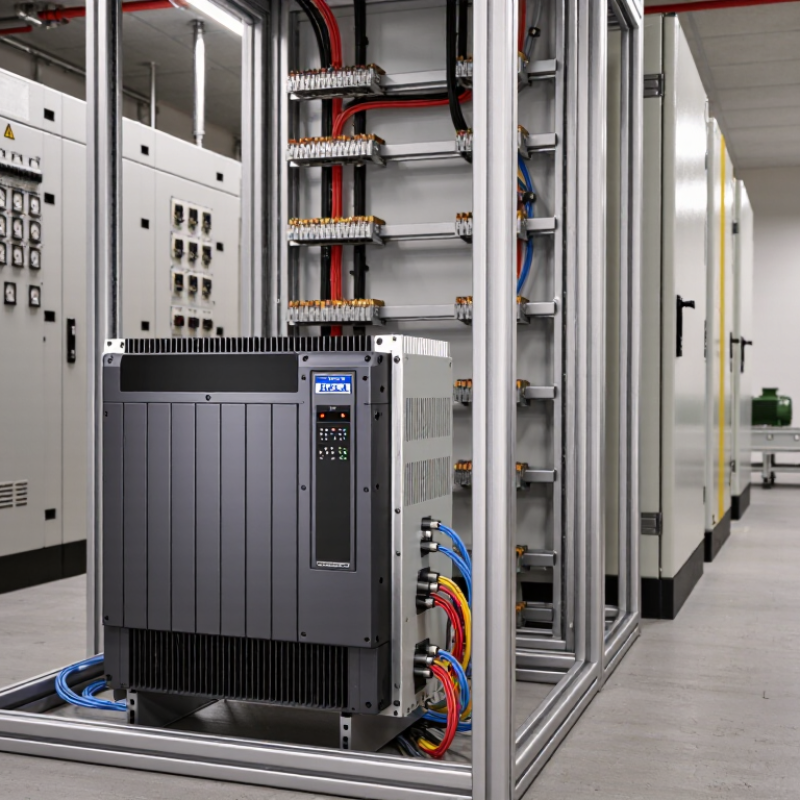
Table of Contents [Hide]
Define Load Torque, 50/60 Hz Speed, and 150%/60 s Overload Requirements
How to Choose the Right Delta Frequency Drive in 2026?
Choosing a frequency drive starts with the load torque, not the motor nameplate power. Measure the torque needed during acceleration, steady operation, and sudden changes. A conveyor carrying wet material may need much more starting torque than its running torque suggests. Record the shaft speed and process load at several operating points.
Check whether the motor must run at 50 Hz, 60 Hz, or both. Frequency sets the motor’s base speed, while pole count and slip affect the actual shaft speed. For example, a four-pole motor runs near 1,500 rpm at 50 Hz and 1,800 rpm at 60 Hz, before slip. Do not assume the displayed frequency equals mechanical speed. That mistake can cause poor production results.
Overload capacity needs equal attention. A requirement of 150% current for 60 seconds may suit crushers, mixers, or loaded conveyors, but only if the drive’s rating supports that duty. Compare the overload specification at the required ambient temperature and switching frequency. Cable length, braking, enclosure cooling, and low-speed ventilation also affect selection. A drive that works well in a clean test room may struggle inside a dusty cabinet. I have seen sizing decisions based only on kilowatts; they looked efficient, but acceleration failed. Recheck real torque data before approval. Some assumptions will be wrong.